Quick Answer: Most HVAC systems last about 10 to 20 years, but that range depends heavily on installation quality, maintenance, usage, and climate. Systems usually do not fail without warning. More often, there is a gradual decline in performance, higher energy use, and more frequent repairs before replacement becomes the better option.
Most homeowners start thinking about HVAC lifespan after something changes. The system runs longer than it used to, energy bills creep up, or repair calls become more frequent. At that point, the question is not just how long a system should last, but whether it is already nearing the end of its useful life.
Newman’s Heating and Cooling works with homeowners across Sacramento, Natomas, and Roseville who are dealing with exactly this situation. In many cases, systems show clear warning signs before a major failure. Recognizing those signs early makes it easier to plan ahead instead of dealing with an emergency.
How Long Do HVAC Systems Typically Last?
Most HVAC systems fall within a general lifespan range, but how long they actually last depends on how they are used and maintained.
- Air conditioners: 10–15 years
- Furnaces: 15–20 years
- Heat pumps: 10–15 years
- Ductless mini-splits: 12–20 years
These are typical ranges, not fixed timelines. Systems that are properly installed and well maintained often last longer, while systems under constant strain tend to wear out earlier.
Air Conditioner Lifespan
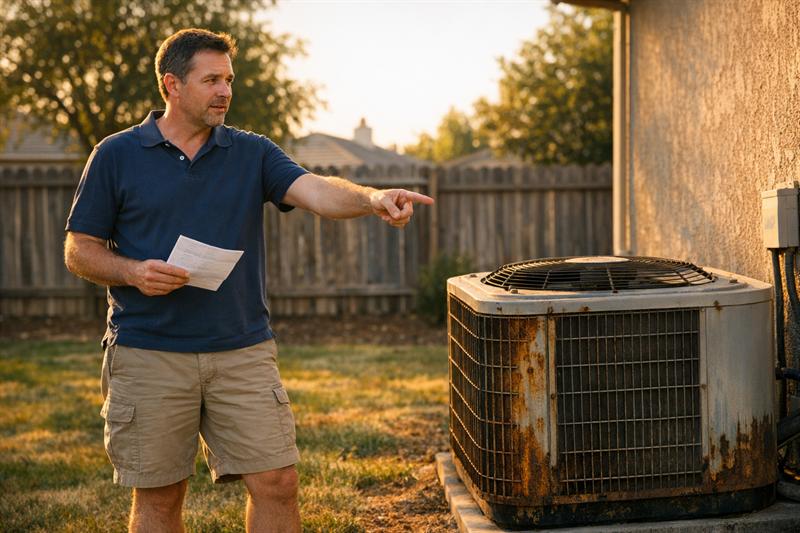
Air conditioners typically last 10 to 15 years, but that range can shorten in hotter climates. In areas like Sacramento, systems often run for long stretches during summer, which increases overall wear.
One of the first signs of aging is usually reduced efficiency. The unit may still cool the home, but it often runs longer and struggles more during peak heat.
Furnace Lifespan
Furnaces generally last longer, often reaching 15 to 20 years. Both gas and electric systems can fall within that range, though performance depends heavily on airflow, maintenance, and overall system condition.
Because furnaces are used seasonally, they usually log fewer operating hours than cooling equipment. Even so, older systems often develop airflow problems, reduced efficiency, and more frequent repair needs over time.
Heat Pump Lifespan
Heat pumps usually last around 10 to 15 years because they operate year-round. Handling both heating and cooling increases total system workload.
The decline is often gradual. The system still runs, but it may take longer to reach the set temperature and cycle more often, which can increase energy use.
Ductless Mini-Split Lifespan
Ductless systems can last 12 to 20 years when properly maintained. Their efficiency can help reduce strain, but they still depend on consistent upkeep.
When maintenance is skipped, airflow can become restricted and performance drops, which shortens the system’s usable life.
What Affects HVAC System Lifespan?
HVAC lifespan is shaped by a few key factors. Many early failures can be traced back to one or more of these.
Routine care plays a major role. Simple steps like changing filters and scheduling service visits help reduce unnecessary strain. You can explore service options through air conditioning and furnace service and repair.
Climate and Usage Patterns
Hot climates put more demand on cooling systems. Longer run times mean more wear on components.
Systems that rarely cycle off during peak summer months accumulate stress faster, which can shorten their lifespan.
Maintenance Frequency
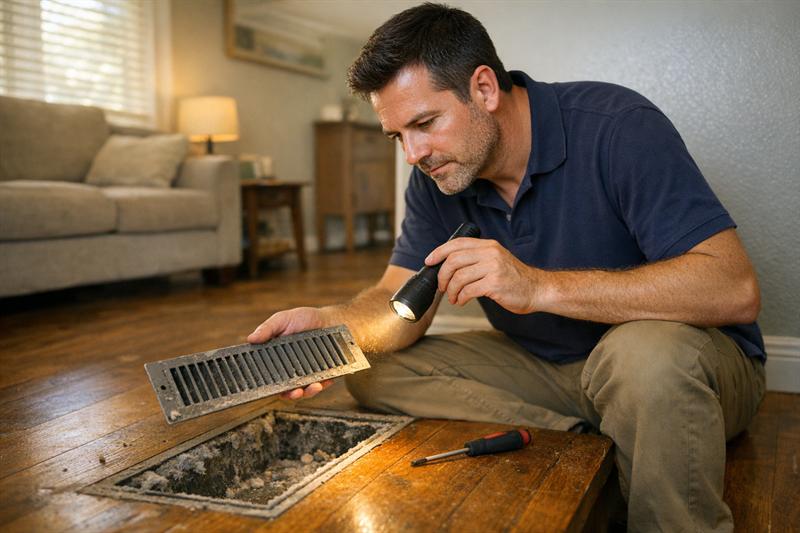
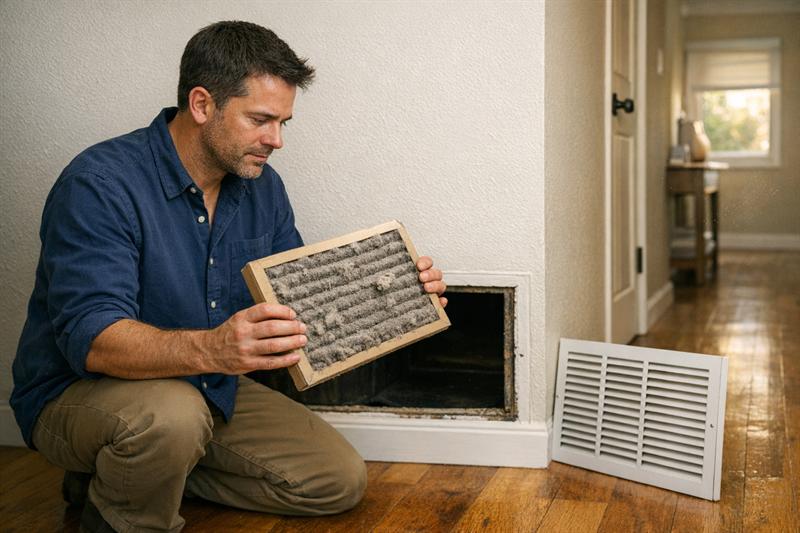
Maintenance has a direct impact on system life. When filters are not changed or components are not cleaned, airflow becomes restricted and internal parts work harder.
What starts as a small drop in performance can lead to higher energy use, additional wear, and eventually a breakdown.
Installation Quality
Installation quality plays a major role in how long a system lasts. Incorrect sizing or poor airflow design puts constant strain on the equipment.
Oversized systems can short cycle, while undersized systems may run for extended periods without keeping up. Either condition can reduce long-term reliability.
System Size and Load
The system needs to match the home’s size and layout. When it does not, performance suffers.
This often shows up as uneven temperatures and longer run times. Over time, that added strain can lead to more repairs and earlier replacement.
Signs Your HVAC System May Be Nearing the End
- Repairs are becoming more frequent
- Energy bills are steadily increasing without a clear reason
- Temperatures are uneven from room to room
- You notice strange noises, odors, or weak airflow
- The system struggles during extreme heat or cold
These signs often appear together. What starts as one issue can turn into a pattern of ongoing problems.
At that stage, the system becomes less reliable. Breakdowns are more likely during peak weather, when the equipment is under the most stress.
Repair or Replace: How to Decide
This is where many homeowners get stuck. The system still works, but it no longer performs the way it used to.
The decision usually comes down to age, repair history, and overall performance. If problems are becoming more frequent, it may mean the system is wearing out. At that point, reviewing options like HVAC replacement services can be a practical next step.
When Repair Makes Sense
- The system is under 10 years old
- Issues are isolated and not recurring
- Maintenance has been consistent
In these situations, repair is often the better option because the system may still have substantial useful life left.
When Replacement Is the Better Option
- The system is over 12–15 years old
- Repairs are happening more often
- Performance and efficiency are declining
This is the stage when many systems are nearing the end of their useful lifespan. Continuing to repair them can lead to higher costs and continued reliability issues.
If you are seeing several of these signs together, the system may be nearing the end of its lifecycle:
- Multiple service calls within a short period
- Cooling or heating that no longer keeps up
- Energy bills increasing without changes in usage
- The system runs constantly without reaching the set temperature
At that point, replacement is often the more reliable long-term solution.
How to Extend the Life of Your HVAC System
- Replace air filters regularly
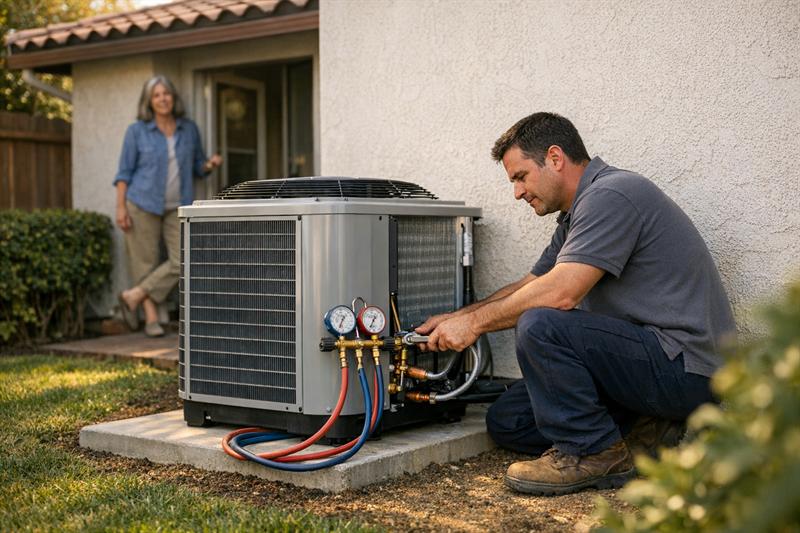
- Schedule annual inspections and tune-ups
- Keep outdoor units clear of debris
- Address airflow or duct issues early
- Use programmable thermostats to reduce strain
These steps help reduce wear and keep the system running efficiently. Skipping them can add strain and shorten system life.
Planning Ahead: Avoiding Emergency Replacement
Waiting until a system fails can limit your options. Many replacements happen during extreme weather, when demand is high and HVAC systems are working their hardest.
Planning ahead gives you time to choose the right system and avoid rushed decisions. Some homeowners also explore alternatives like heat pump installation, depending on the home’s needs.
Key Takeaways
- Most HVAC systems last around 10 to 20 years
- Heavy use and poor maintenance shorten system life
- Frequent repairs and rising energy bills can signal decline
- Older systems often cost more to maintain over time
- Planning ahead helps avoid emergency replacement
Conclusion
HVAC systems rarely fail without warning. As they age, they often show signs such as reduced performance, higher operating costs, and more frequent repairs. Ignoring those signs can lead to breakdowns at the worst possible time.
Continuing to repair a system that is already wearing out can result in higher long-term costs and ongoing frustration. What feels like a short-term fix can turn into a cycle of repeated service calls.
Newman’s Heating and Cooling helps homeowners make that decision with a clear view of the system’s condition, age, and performance. If your system is showing signs of decline, taking action now can help you avoid bigger problems later.
How Newman’s Heating and Cooling Approaches HVAC Lifespan
The goal is not just to address the immediate issue, but to understand where the system stands overall.
Repeated repairs on an aging system can add up quickly. Looking at service history, current performance, and expected reliability helps homeowners decide whether another repair makes sense or whether replacement is the smarter long-term move.
This approach helps homeowners make informed decisions and avoid unnecessary costs.
Frequently Asked Questions
How long does a typical HVAC system last?
Most HVAC systems last between 10 and 20 years. Air conditioners and heat pumps tend to be on the lower end because they often run more, while furnaces often last longer. If a system is approaching that range and performance is declining, it may be time to have it looked at.
What is the average lifespan of an air conditioner?
Air conditioners typically last 10 to 15 years. In hotter climates, they may wear out sooner because of longer run times. Reduced cooling performance or rising energy bills can be signs that the system needs attention.
How do you know when your HVAC system needs to be replaced?
Replacement is often worth considering when repairs become frequent and the system can no longer maintain consistent temperatures. Rising energy costs, uneven airflow, and longer run times can all point to a system that is no longer performing well.
Can regular maintenance extend HVAC lifespan?
Yes, regular maintenance can help extend system life by reducing strain and catching avoidable issues early. Clean filters and routine service help components operate more efficiently.
Is it better to repair or replace an old HVAC system?
It depends on the system’s age, condition, and repair history. Systems under 10 years old are often worth repairing. Older systems with recurring issues are often better candidates for replacement.
Do newer HVAC systems last longer than older models?
Newer systems can last just as long or longer when they are properly installed and maintained. In most cases, installation quality and ongoing maintenance have a bigger impact than the model year alone.