Quick Answer: HVAC energy efficiency improves when airflow, system condition, and home insulation work together. If even one of these is off, your system may run longer, use more energy, and wear down faster over time.
At Newman’s Heating and Cooling, this is a common issue in homes across Sacramento. The equipment itself often gets the blame, but in many cases, the bigger issue is how the system is performing within the home.
Why HVAC Efficiency Matters More Than Ever
Your heating and cooling system is typically one of the largest energy users in your home. When efficiency drops, the system runs longer to reach the same temperature, which increases energy use and adds strain to key components.
This is where problems often start. Longer run times lead to more wear, and over time that can show up as uneven temperatures, rising energy bills, and more frequent service needs.
In many homes, the pattern is similar: higher bills first, then comfort issues, then breakdowns. Addressing efficiency early can help you avoid that cycle.
Quick HVAC Energy Efficiency Wins You Can Do Today
Some of the most effective improvements are simple and immediate. These changes can reduce how hard your system has to work without requiring major upgrades.
- Adjust thermostat settings to avoid unnecessary runtime
- Replace air filters to maintain steady airflow
- Seal air leaks to keep conditioned air inside
Adjusting Thermostat Settings for Maximum Savings
Setting the thermostat much lower or higher than needed can lead to longer cycles. Keeping temperatures consistent helps reduce strain and stabilize energy use.
During peak summer, many homeowners turn the thermostat down sharply to cool the house faster. In most cases, that does not speed up cooling. It usually just keeps the system running longer, which can increase energy use.
Replacing Air Filters Regularly
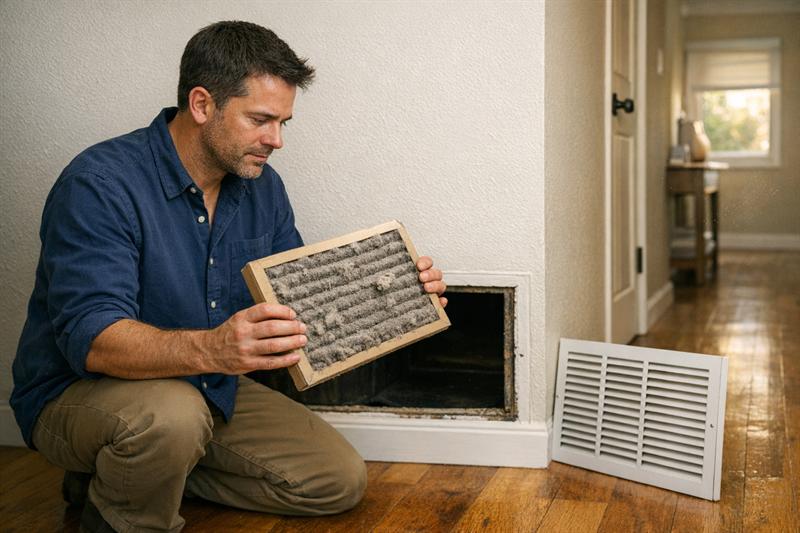
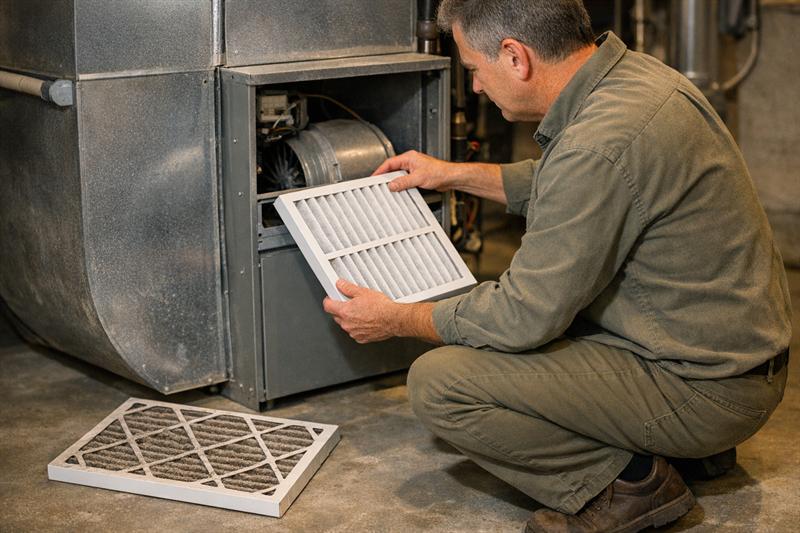
Airflow is a key part of system performance. When filters clog, airflow drops and the system has to work harder to move air through the home.
This often leads to longer run times and uneven cooling. Over time, that added strain can affect system components. Keeping up with routine HVAC maintenance helps prevent small airflow issues from turning into larger performance problems.
Sealing Air Leaks Around the Home
Air leaks allow conditioned air to escape and outside air to enter. That creates a constant energy loss your system has to make up for.
In many homes, especially older ones, gaps around doors, windows, and attic access points are common. When those leaks go unaddressed, the system runs longer and may struggle to maintain consistent temperatures.
Smart Maintenance Habits That Improve Efficiency
Efficiency issues rarely come from one major failure. More often, they develop from smaller problems that build over time.
Regular maintenance helps keep those issues from turning into larger performance problems. It also helps the system run closer to its intended performance.
Seasonal HVAC Tune-Ups
Tune-ups give technicians a chance to clean, inspect, and adjust the system before heavy seasonal use. That can improve performance and help catch early signs of wear.
Many efficiency problems are first spotted during routine service. Scheduling professional HVAC tune-ups before peak seasons can help keep the system from falling behind when demand rises.
Cleaning Coils and Outdoor Units
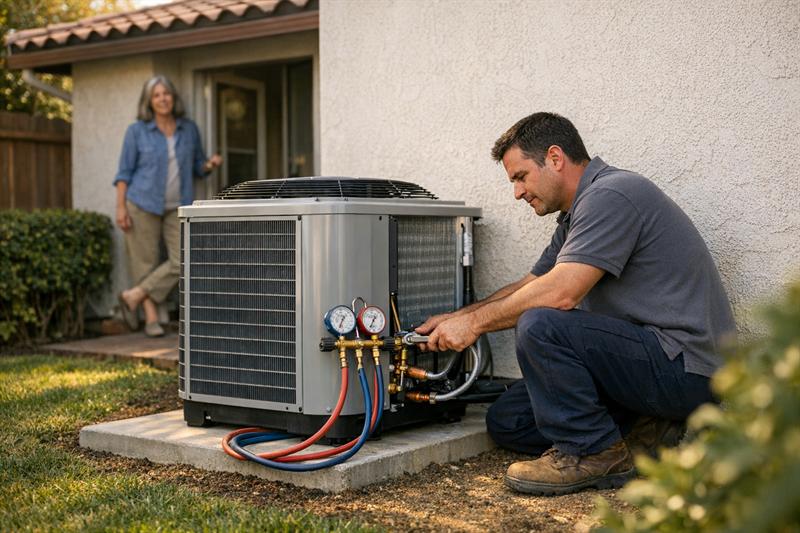
Heat transfer is essential for both heating and cooling. When coils are dirty, that process becomes less effective.
The result can be longer cycles and reduced heating or cooling output. One common issue is an outdoor unit blocked by leaves, dirt, or other debris, causing the system to run more often without improving comfort.
Checking and Sealing Ductwork
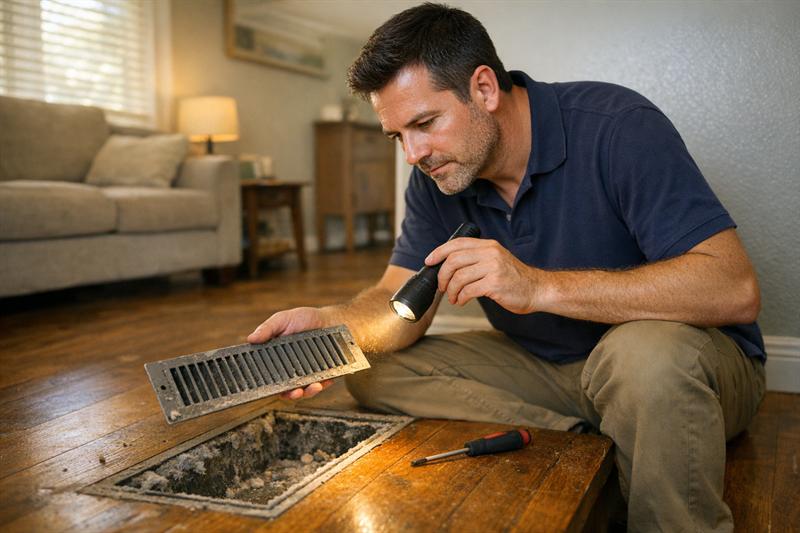
Ductwork carries conditioned air throughout the home. When there are leaks, some of that air never reaches the rooms it is meant to serve.
This often shows up as temperature differences from room to room. The system then runs longer to compensate, which can increase energy use and wear.
If you’re noticing any of these signs, the issue may be beyond simple adjustments:
- Rooms that rarely reach the set temperature
- The system running most of the day during hot weather
- Energy bills rising without a clear reason
- Weak or uneven airflow between rooms
These patterns often point to underlying efficiency or system performance issues that should be addressed.
Home Upgrades That Significantly Boost HVAC Efficiency
When basic fixes no longer improve performance, upgrades can make a more noticeable difference. These changes help reduce the overall workload on your system.
Upgrading Insulation
Insulation helps keep conditioned air inside your home. Without enough of it, heating and cooling can be lost through walls and ceilings.
This often leads to longer run times and less consistent comfort. Improving insulation can reduce how much your system has to compensate.
Installing a Programmable or Smart Thermostat
Programmable and smart thermostats adjust temperatures based on your schedule. That helps reduce unnecessary runtime when full heating or cooling is not needed.
Over time, these adjustments can help control energy use more consistently, especially during long Sacramento cooling seasons.
When to Consider Replacing Your HVAC System
As systems age, efficiency can decline and performance may become less reliable. At a certain point, repairs and adjustments may no longer restore consistent comfort.
If the system struggles to keep up or needs repeated service, replacement may be the more practical next step. You can review options through when to replace your HVAC system.
Common Efficiency Mistakes Homeowners Make
- Closing vents in unused rooms, which can disrupt airflow balance
- Setting extreme thermostat temperatures that add system strain
- Skipping maintenance until performance drops
- Ignoring early signs of inefficiency
Small habits can lead to bigger performance issues over time. Many homeowners do not realize these patterns are directly tied to higher energy use and added system wear.
If these issues are already happening, there may be a larger performance problem involved. Reviewing signs your air conditioner may need repair can help clarify when efficiency is no longer the only concern.
How Climate Impacts HVAC Efficiency (Sacramento Focus)
In Sacramento, Natomas, and Roseville, extended periods of heat place steady demand on cooling systems.
That kind of continuous use tends to expose inefficiencies quickly. Systems that seem fine during mild weather may struggle during long heat waves.
One common pattern is a system running most of the day during peak summer. When efficiency is already reduced, that can lead to higher energy use and faster wear on components.
When Efficiency Problems Signal a Bigger HVAC Issue
Not all efficiency problems are surface-level. In many cases, they are early indicators of broader system issues.
If you’re dealing with uneven cooling, frequent cycling, or steadily rising energy bills, the system may no longer be operating the way it should.
Delays can make those problems more expensive to fix. What starts as inefficiency often turns into repair needs if left unaddressed. Identifying AC repair warning signs early can help prevent that progression.
Conclusion
HVAC efficiency problems tend to build over time. What starts as longer run cycles and higher bills can turn into comfort issues and added system strain.
If those issues are ignored, the system continues working harder than it should. That extra stress can lead to more frequent repairs and reduced performance.
At Newman’s Heating and Cooling, these are the patterns homeowners call about every season. Addressing efficiency early helps keep systems running reliably and can prevent small issues from turning into major problems.
If your system is running longer, costing more, or not keeping up with demand, it may be time to take the next step. Schedule a professional evaluation through Air Conditioning and Furnace Service and Repair to get clear answers before the problem gets worse.
Key Takeaways
- HVAC efficiency directly affects energy use and system wear
- Airflow, maintenance, and insulation are major drivers of performance
- Small issues can build into larger problems if ignored
- Routine maintenance helps prevent performance decline
- Ongoing inefficiency often signals a deeper system issue
FAQ
What is the most effective way to improve HVAC efficiency?
Start with airflow and thermostat settings. Dirty filters and poor thermostat habits can increase runtime. If those are already addressed and problems continue, a system evaluation is usually the next step.
How often should HVAC filters be changed for better efficiency?
Most homes need filter changes every 1 to 3 months, depending on the filter type, system use, and indoor conditions. When filters clog, airflow drops and the system works harder.
Do smart thermostats really save energy?
They can, when used correctly. Smart thermostats help reduce unnecessary runtime by adjusting temperatures automatically. They are most effective when the HVAC system is already operating properly.
How can I reduce my air conditioning bill in summer?
Improve airflow, seal air leaks, and keep thermostat settings consistent. If the system still runs constantly, that may point to reduced efficiency or a developing mechanical issue.
What temperature should I set my thermostat for energy savings?
Moderate, consistent settings are usually the most efficient. Large swings tend to increase system workload and energy use. A stable setting generally helps reduce strain.
When should I replace my HVAC system for better efficiency?
When the system can no longer maintain comfort, runs inefficiently despite maintenance, or requires frequent repairs. At that stage, replacement may be more practical than continued adjustments.