Quick Answer: HVAC repair usually makes sense when the problem is minor and the system is still relatively new. Replacement becomes the better choice when repairs keep piling up, costs are rising, or the system is roughly 10–15 years old and no longer performing well. The key question is whether you are fixing a one-time issue or continuing to invest in a system that is steadily wearing out.
Why This Decision Matters More Than You Think
This decision affects more than the immediate repair bill. It impacts comfort, reliability, and how often you have to deal with breakdowns. Repairing a system that is already declining can lead to repeat service calls and ongoing frustration.
Many homeowners end up in the same cycle: one problem gets fixed, then another shows up soon after. The system may keep running, but performance drops and energy use increases. Over time, smaller repairs can add up without addressing the bigger issue.
Replacing too early can feel unnecessary, but waiting too long often leads to higher costs and more disruption. The goal is to choose the option that restores dependable performance, not just the one with the lowest upfront cost.
Key Signs Your HVAC System May Need Repair
- Minor or isolated issues that have not spread to other parts of the system
- The system is under 10 years old
- A one-time repair has not turned into repeated service calls
- Problems tied to airflow, controls, or smaller components
Minor Performance Issues
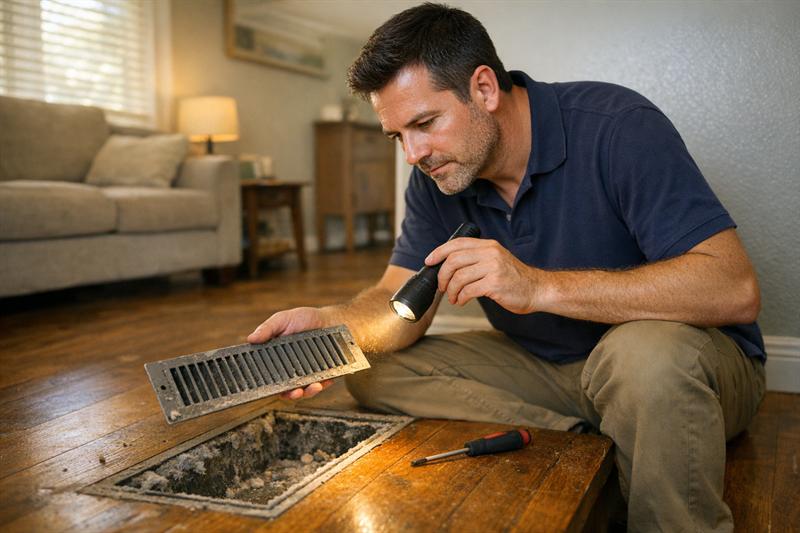
Weak airflow, unusual noises, or uneven cooling in one area can sometimes point to a limited issue rather than a system-wide failure.
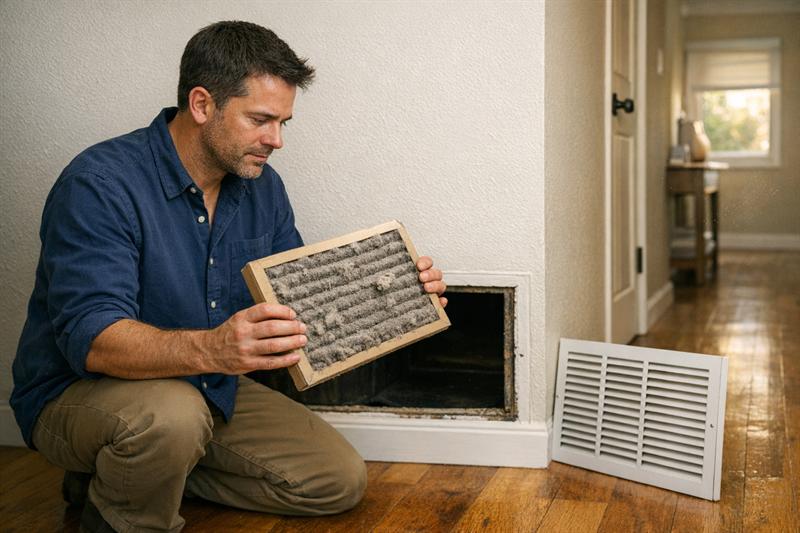
In many cases, the cause is something straightforward, such as a clogged filter or a small electrical fault. When the rest of the system is in good condition, correcting that issue may restore normal operation without leading to more problems.
Isolated Component Failures
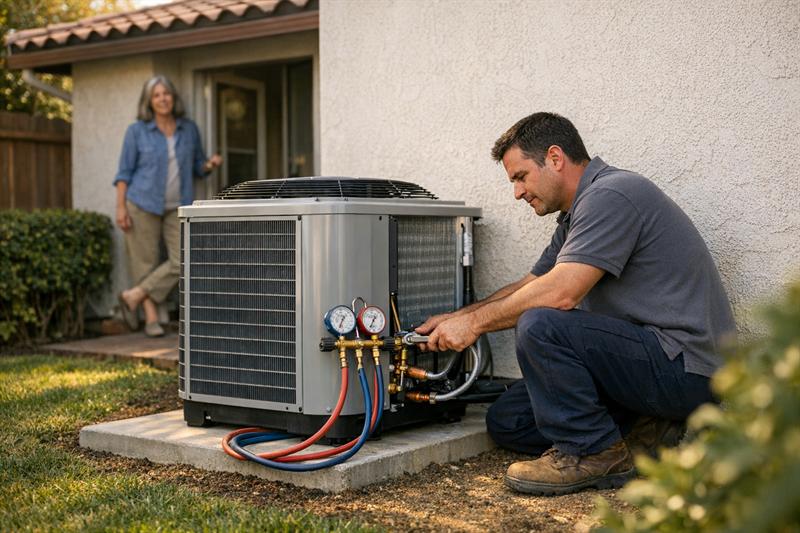
Parts like capacitors, sensors, or thermostats can fail on their own. When the rest of the system is in solid condition, these are often manageable repairs.
This is where repair usually makes the most sense. Replacing a single failed component can bring the system back to normal without committing to a full replacement.
System Still Within Expected Lifespan
Many HVAC systems perform well for around 10–15 years, depending on use and maintenance. If your system is still within that range and has not had repeated issues, repair is often a reasonable next step.
In these situations, scheduling professional heating repair services can help resolve the immediate problem without jumping straight to a replacement.
Signs It May Be Time to Replace Your HVAC System
- The system is around 10–15 years old or older and no longer performs efficiently
- Breakdowns are becoming more frequent
- Energy bills are rising without another clear explanation
- Comfort is inconsistent throughout the home
System Age and Declining Efficiency
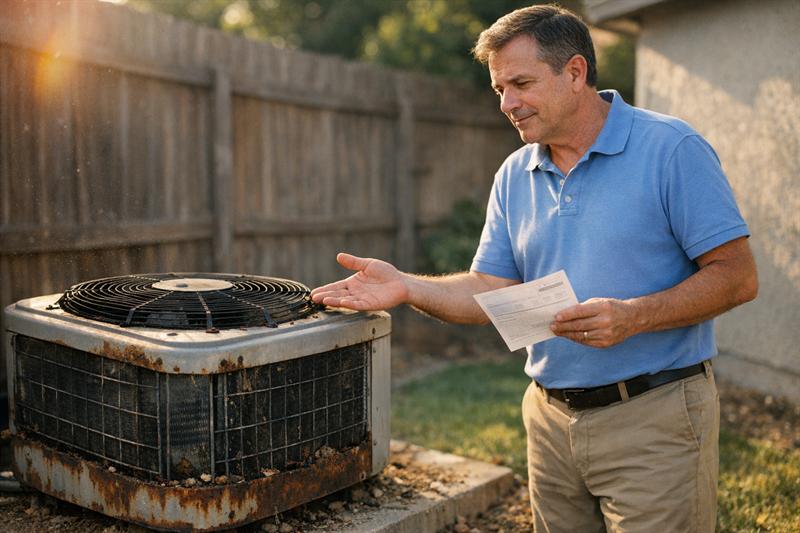
As systems age, they often lose efficiency and need more energy to maintain the same temperature. That can mean longer run times and higher utility bills.
This is usually when the gap becomes noticeable. The system still runs, but it no longer delivers the same comfort or consistency it once did. Over time, that gap tends to widen.
Frequent or Costly Repairs
If repairs are happening regularly, the system may no longer be a stable long-term solution. One repair fixes the immediate problem, but additional issues can follow.
Once that pattern starts, repair often becomes less about solving the problem and more about keeping an aging system going. At that point, replacement may be the more practical investment.
Inconsistent Comfort and Performance
Hot and cold spots, constant operation, or difficulty reaching the thermostat setting are signs the system is struggling.
When performance drops across the home, it often points to broader wear rather than a single isolated fault. In that situation, replacement is often the option that restores more consistent comfort.
If your system is showing these signs, reviewing furnace replacement options can help you understand what a more reliable setup may look like.
The Cost Comparison: Repair vs Replacement
Repair usually costs less upfront, but repeated fixes and higher energy use can lead to more total spending over time. Replacement requires a larger initial investment, but it may reduce ongoing issues and improve day-to-day performance.
Short-Term vs Long-Term Costs
Repair is usually the lower immediate expense. The challenge is what happens when repairs start stacking up.
That is where many homeowners get stuck. Each repair feels manageable on its own, but the total cost keeps rising without improving reliability in a meaningful way.
Energy Efficiency and Monthly Bills
Newer systems are designed to operate more efficiently than older ones. As equipment ages, it often needs more energy to produce the same level of comfort.
That can lead to higher monthly bills and longer run times. Over time, the difference can become hard to ignore.
When Repairs Become More Expensive Over Time
Frequent service calls increase costs, especially when breakdowns happen during peak heating or cooling periods.
If you keep paying for repairs without improving overall performance, replacement may be the more practical next step. For homeowners considering upgrades, options like heat pump systems may offer improved efficiency and more consistent comfort.
The “50% Rule” and Other Decision Guidelines
The 50% rule is a common rule of thumb. If a repair is expected to cost about half as much as a new system, replacement is often worth considering.
Understanding the 50% Rule
This guideline can help you avoid putting significant money into a system that is already nearing the end of its useful life.
Major repairs on older systems can also be followed by additional failures, which puts you back in the same decision again sooner than expected.
When Rules of Thumb Don’t Apply
Every system is different. Usage patterns, maintenance history, and local climate all affect how long equipment continues to perform well.
In Sacramento, long cooling seasons can put more strain on systems. That extra demand may shorten the period when repair remains the most cost-effective option.
How Sacramento Climate Impacts Your HVAC Decision
Sacramento’s extended heat places steady demand on cooling systems. That added workload can increase wear and shorten the time between major repairs.
High Cooling Demand and System Wear
During peak summer heat, systems often run for long stretches. That constant operation puts stress on major components.
Over time, the result can be reduced performance and more frequent breakdowns than you might expect in a milder climate.
Seasonal Timing and Emergency Risk
Waiting too long to replace a failing system can lead to a breakdown during extreme temperatures.
When that happens, your options may be more limited and the decision feels more urgent. Planning ahead usually gives you more flexibility than waiting for an emergency.
Professional Inspection: What a Technician Actually Evaluates
A thorough evaluation looks beyond the immediate issue and considers the overall condition of the system.
- System age and general wear
- Efficiency and output performance
- Repair history and repeat issues
- Safety and reliability concerns
This kind of inspection helps show whether the system is still stable or continuing to decline. It gives you a clearer basis for the decision than guesswork alone.
Repair or Replace? A Simple Decision Checklist
- If your system is under 10 years old and has a single issue, repair is often the right step
- If repairs are becoming frequent, the system may no longer be reliable
- If energy bills keep rising, efficiency may have dropped
- If comfort is inconsistent, the system may be struggling to keep up
- If repair costs are approaching replacement cost, replacement is often the better value
If you are noticing these patterns, your system may be moving beyond a simple short-term fix:
- Multiple repairs within the past year
- Rooms that do not consistently reach the desired temperature
- A system that runs constantly without keeping up
- Energy bills increasing without changes in usage
At that stage, continuing to repair the system often leads to more expense and more disruption. A full evaluation is usually the most useful next step.
Key Takeaways
- Repair is often best for newer systems with isolated issues
- Replacement is often the better choice for older systems with repeated problems
- Total cost matters more than upfront cost alone
- Efficiency and comfort often decline as systems age
- A professional evaluation can help clarify the right next step
Conclusion
The real question is not whether your HVAC system can be repaired. It is whether that repair is likely to solve the problem or simply delay a larger one. Systems that keep breaking down, run inefficiently, or struggle to maintain comfort often become more expensive over time.
When the underlying decline is not addressed, the usual result is repeated repairs, rising energy bills, and an eventual breakdown when you need the system most.
Newman’s Heating and Cooling helps homeowners make this decision based on the actual condition and performance of the system. If your equipment is showing signs of wear, the next step is to get a clear evaluation and choose the option that restores reliable comfort.
FAQ
How do I know if my HVAC system should be repaired or replaced?
The decision usually comes down to age, repair frequency, and overall performance. Systems under 10 years old with isolated issues are often worth repairing, while older systems with repeated problems are more likely to be candidates for replacement. When the same problems keep returning, it may point to a system that is no longer dependable.
What is the average lifespan of an HVAC system?
Many HVAC systems last around 10–15 years, depending on usage, maintenance, and climate. Systems in hotter areas may wear out sooner because they run more often. As performance declines near that range, replacement often becomes a more practical option.
Is it cheaper to repair or replace an air conditioner?
Repairs usually cost less upfront, but repeated repairs and higher energy use can make replacement more cost-effective over time. If repair costs continue to build without improving reliability, replacement may be the better financial decision.
What is the 50% rule for HVAC replacement?
The 50% rule is a rule of thumb that suggests considering replacement when a repair would cost about half as much as a new system. It is meant to help you avoid making a major investment in equipment that may continue to have problems.
How often should HVAC systems be replaced?
Many systems are replaced after about 10–15 years, though the timing depends on use, maintenance, and performance. Some systems need replacement sooner if they begin losing efficiency or reliability earlier.
Can a new HVAC system lower energy bills?
In many cases, yes. Newer systems are typically more energy efficient, and older systems often use more energy to maintain the same temperature. Replacing an inefficient system may improve performance and reduce energy use over time.