Quick Answer: Common warning signs of furnace trouble include unusual noises, uneven heating, rising energy bills, and short cycling. These symptoms often point to internal wear, airflow problems, or system strain and can lead to a breakdown if ignored.
Many homeowners notice something feels off before the furnace stops working. A new noise, a cold room, or a higher bill is often the first clue. At Newman’s Heating and Cooling, these are the kinds of problems that usually show up before a larger repair. Furnaces tend to give warnings, but those signs are easy to dismiss until the issue becomes harder to ignore.
Why Recognizing Furnace Problems Early Matters
Furnace problems rarely stay minor for long. A small airflow restriction or worn part can gradually affect overall performance and put extra strain on the system.
Many people wait until the furnace stops producing heat. By that point, repairs are often more involved, and replacement may be a more practical option. Catching problems early can help keep repairs simpler and reduce the chance of losing heat when you need it most.
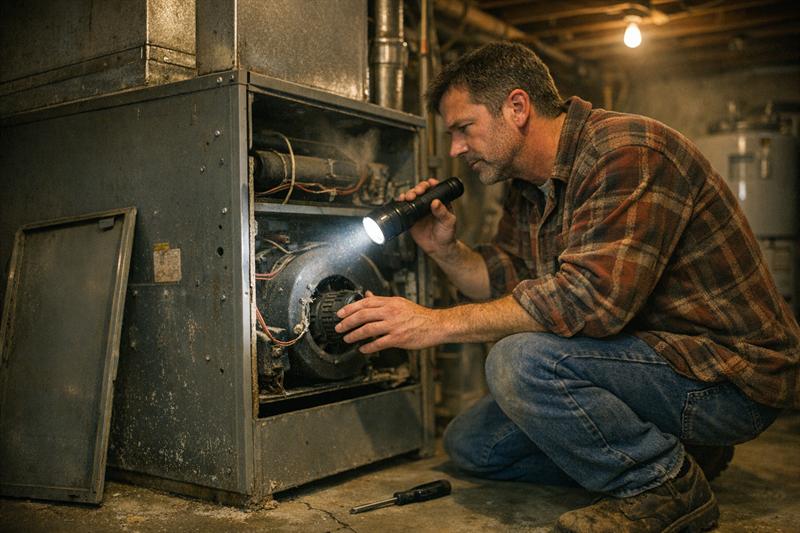
1. Your Furnace Is Making Unusual Noises
Common Furnace Sounds and What They Mean
Different sounds can point to different issues inside the system:
- Banging: Often related to ignition issues or expanding ductwork
- Squealing: Typically tied to a worn belt or motor problem
- Rattling: May indicate loose or aging components
These sounds often start subtly and become more noticeable over time. That change can be a sign that parts are wearing down or that the system is working harder than it should.
When Noise Signals a Bigger Problem
If the noise is getting louder, happening more often, or appeared suddenly, the furnace may be under stress. In many cases, continued operation in that condition can lead to additional wear or damage.
2. Uneven Heating Throughout Your Home
If some rooms feel comfortable while others stay cold, the furnace may no longer be distributing heat evenly. This is often one of the first signs of airflow or performance problems.
Restricted airflow or reduced heating output are common causes. Over time, the system may work harder to compensate, which can increase strain and contribute to overheating or more frequent cycling.
3. Energy Bills Are Increasing Without Explanation
An unexplained increase in energy bills often points to reduced furnace efficiency. The system runs longer to maintain the same temperature, which raises energy use.
This can happen as internal parts wear down or airflow becomes restricted. Longer run times put added stress on the system, and if the cause is not addressed, the problem usually continues to get worse.
4. Furnace Frequently Turns On and Off (Short Cycling)
Short cycling means the furnace turns on and off more frequently than it should. This is a sign that the system is not operating the way it should.
It can happen when airflow is restricted, the furnace overheats, or another component is not working properly. The repeated starts and stops put extra stress on the system and can speed up wear on key parts.
5. Strange Smells Coming From Vents
Not all odors mean the same thing, but some should not be ignored:
- Burning dust: Common when the system first turns on and usually fades quickly
- Persistent burning smell: Often tied to overheating or electrical issues
- Musty odor: Can indicate moisture or airflow problems
If a smell lingers or returns repeatedly, it usually points to an underlying issue. Ongoing odors can be linked to reduced efficiency or conditions that may worsen over time.
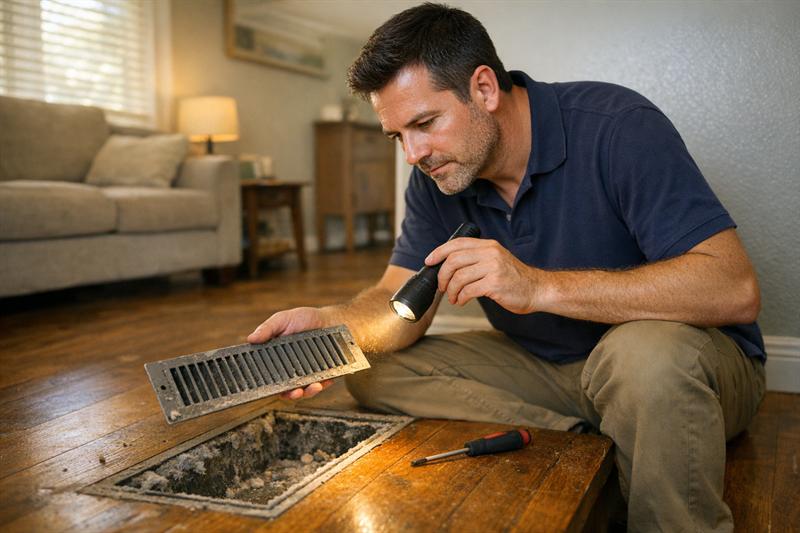
6. Weak or No Airflow
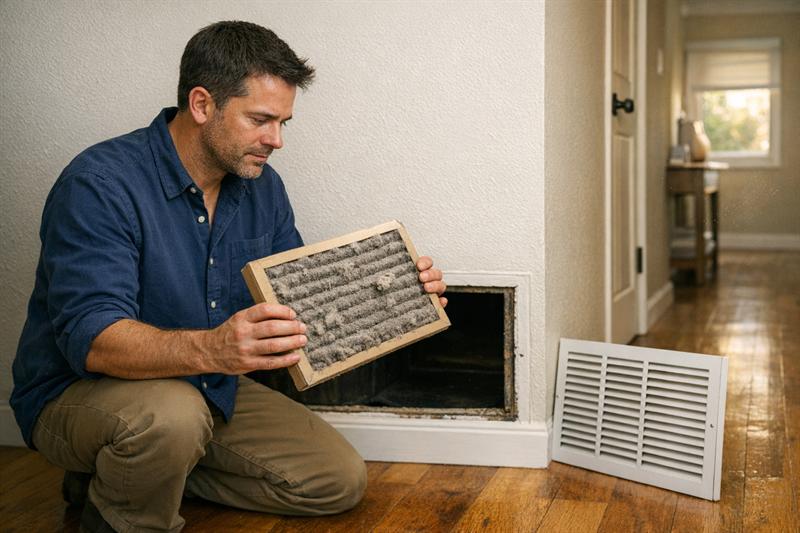
If airflow from the vents is noticeably weak, the furnace is not moving heat effectively. This usually affects both comfort and overall system performance.
Common causes include blower problems, clogged filters, or duct restrictions. Reduced airflow forces the furnace to work harder, which can lead to overheating and repeated shutdowns.
7. Your Furnace Is 15+ Years Old and Struggling
Many furnaces become less reliable after 15 years. At that stage, smaller issues tend to show up more often and efficiency usually starts to decline.
Older systems are generally more likely to need repairs and may struggle more during periods of heavy use. When several problems appear at once, replacement often becomes the more practical long-term option.
Repair or Replace: How to Decide
The right choice depends on the furnace’s age, condition, and overall performance. A newer system with one isolated issue is often worth repairing. An older furnace with repeated problems may point in a different direction.
If the system is aging, losing efficiency, and breaking down more often, replacement is often the more practical long-term choice. You can review furnace replacement options to see what a newer system can offer.
If you are noticing several of these signs at once, your furnace may be in clear decline:
- Multiple symptoms happening at the same time
- Frequent cycling or unusually long run times
- Rooms no longer heating evenly
- Energy bills rising without a clear reason
At that point, the issue is usually no longer minor. A professional inspection can help identify the cause before it turns into a full breakdown.
When to Call a Professional
Some furnace issues should not be left unresolved. When multiple warning signs appear together, the system is often under more strain than normal.
- Loud or worsening noises
- Ongoing airflow problems
- Smells that do not go away
- No heat or inconsistent heating
These problems usually need a proper inspection to find the cause. Scheduling a heating repair service can help address the issue before it leads to a complete system failure.
Conclusion
Furnace failure is rarely completely without warning. In many cases, the signs are there but easy to ignore until the system stops working. By then, the problem has often progressed and your options may be more limited.
What starts as noise, uneven heating, or higher energy bills can develop into a larger system issue over time. Waiting allows wear to build, which can increase both repair complexity and cost.
At Newman’s Heating and Cooling, these are common patterns in furnace repair calls. Addressing problems early helps keep repairs manageable and can reduce the risk of an emergency breakdown. If your furnace is showing any of these signs, having it inspected is a smart next step.
Key Takeaways
- Furnaces often show warning signs before they fail
- Noise, airflow issues, and higher bills are common early indicators
- Problems usually worsen over time when ignored
- Older systems are more prone to breakdowns under stress
- Early inspection can help prevent larger and more costly issues
How Newman’s Heating and Cooling Approaches Furnace Problems
At Newman’s Heating and Cooling, the goal is to identify the underlying cause, not just the visible symptom. In many cases, several smaller issues are connected, and fixing only one can lead to repeat problems.
The process is to look at the system as a whole, identify where performance is dropping, and recommend the most practical next step. Depending on the overall condition, that may mean repair or replacement.
This helps avoid temporary fixes that do not last and gives homeowners a clearer understanding of what is happening and what to do next.
Frequently Asked Questions
What are the first signs of furnace failure?
The first signs often include unusual noises, uneven heating, and rising energy bills. These can indicate that the system is losing efficiency or developing internal problems. When several signs appear together, it is a good time to schedule an inspection.
How long does a furnace usually last?
Many furnaces last around 15 to 20 years. As they age, performance can decline and repairs may become more frequent. If an older system is having ongoing issues, it may be time to evaluate whether repair or replacement makes more sense.
Should I repair or replace my furnace?
If the furnace is newer and the issue is isolated, repair is often the better choice. If it is older and dealing with repeated problems, replacement may be more practical. A full system evaluation can help clarify the best option.
Is it safe to run a furnace that is making noise?
Some sounds are minor, but persistent or loud noises usually mean something is not working properly. Continuing to run the furnace may worsen the problem. Having it checked can help prevent further damage.
Why is my furnace blowing cold air?
This can be caused by thermostat problems, airflow restrictions, or internal component issues. It means the system is not heating properly. If the problem continues, it should be inspected.
Can a furnace fail suddenly without warning?
Some failures happen quickly, but many furnaces show warning signs beforehand. Noise, reduced efficiency, and airflow problems are common early clues. Noticing those changes early can help you address the issue before a complete breakdown.