Quick Answer: A professional HVAC installation usually includes removing the old system, inspecting and adjusting ductwork as needed, installing the new equipment, and testing the system to confirm it is operating properly. Most installations are completed in one day, though ductwork repairs, electrical updates, or more complex system layouts can extend the timeline.
Installation day is often where the uncertainty starts. Equipment is being delivered, parts of the home need to be accessed, and your heating and cooling system will be temporarily offline. At Newman’s Heating and Cooling, setting clear expectations matters because the quality of the installation has a direct impact on comfort, airflow, and day-to-day system performance.
Why Understanding the HVAC Installation Process Matters
HVAC installation is more than swapping out equipment. It involves setting up a complete system that affects airflow, temperature control, and overall efficiency. When important steps are rushed or skipped, a system may still turn on but struggle to keep the home consistently comfortable.
That can show up as rooms that never seem to reach the right temperature or a system that runs longer than expected. In many cases, those issues trace back to sizing, airflow, or ductwork problems during installation. Once those conditions are built into the system, they usually need to be corrected rather than simply monitored.
Knowing what should happen during installation helps you ask better questions, understand the process, and catch concerns early.
How to Prepare Before Installation Day
Preparation is simple, but it can make the installation go more smoothly.
- Clear space around indoor and outdoor equipment
- Provide access to attic, crawlspace, closet, garage, or utility areas
- Plan for several hours without heating or cooling
- Keep pets secured and walkways open
How Long Installation Typically Takes
Most HVAC installations are completed in one day. The timeline may extend if ductwork repairs are needed or if electrical updates are required to support the new system.
Delays often come from issues that are only fully visible once work begins, such as duct leaks, restricted returns, or connection problems that need to be corrected for the new equipment to perform properly. Taking care of those items adds time, but it also helps prevent avoidable comfort and efficiency issues later.
What Areas of the Home Will Be Accessed
Installation usually involves several parts of the home:
- Indoor unit location, such as an attic, closet, or garage
- Outdoor condenser area
- Ductwork pathways
- Thermostat location
If you are installing a heat pump system, technicians may also need access to the related indoor and outdoor electrical connections.
Step-by-Step: The HVAC Installation Process Explained
Here is what typically happens during installation. Each step plays a role in how the system performs once it is up and running.
Removal of Old Equipment
The existing system is disconnected and removed, including electrical connections and refrigerant lines where applicable. Refrigerant should be recovered and handled properly as part of the replacement process.
Care during removal matters. If debris is left behind or connections are not handled cleanly, those problems can carry into the new installation and affect performance or reliability.
Ductwork Inspection and Modifications
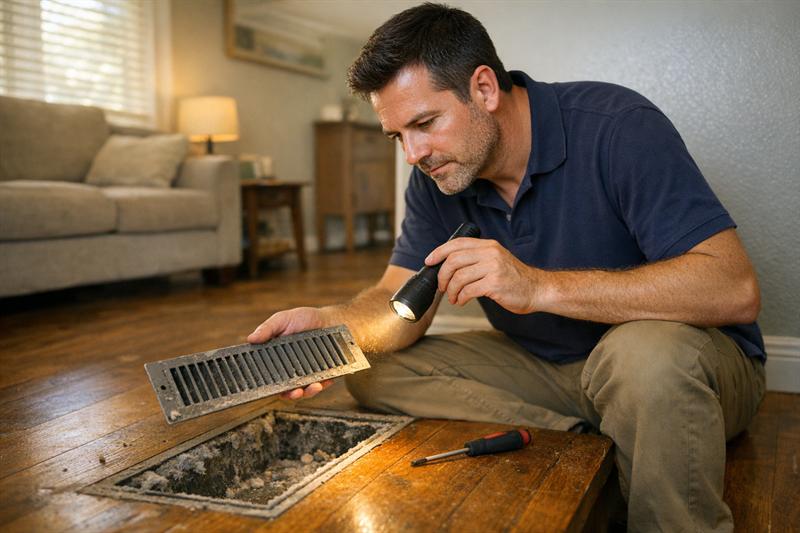
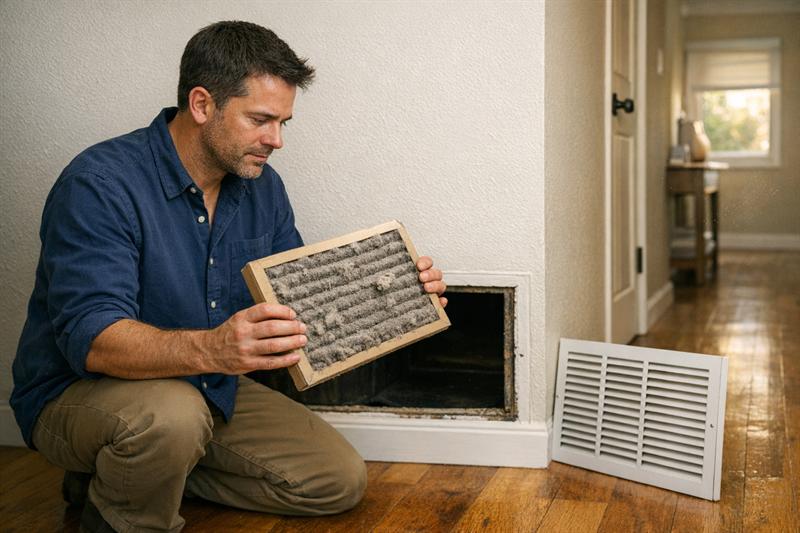
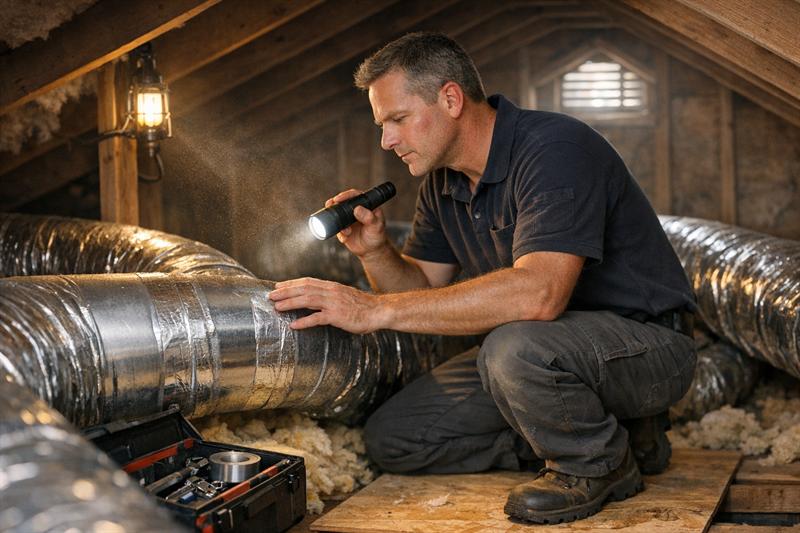
Ductwork is checked for leaks, damage, restrictions, and sizing concerns. If needed, adjustments are made to support proper airflow.
This step is important because a new system can only perform as well as the ductwork allows. If airflow is limited or poorly distributed, the result may be weak airflow, uneven temperatures, and higher energy use.
Those problems often become more noticeable over time as the system works harder to make up for them.
New System Placement and Setup
The new equipment is positioned, leveled, and secured. Proper placement helps reduce vibration, control noise, and support long-term operation.
Electrical and Refrigerant Connections
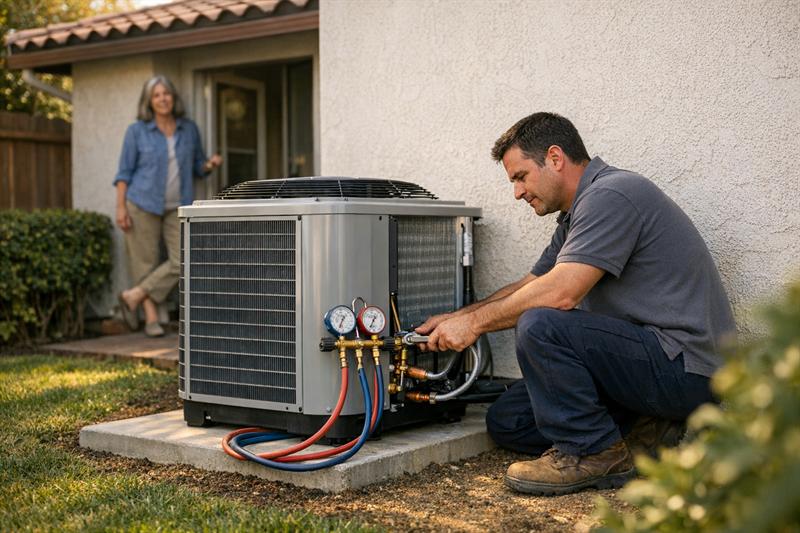
Electrical wiring and refrigerant lines are connected according to the equipment requirements.
Accuracy at this stage is critical. Improper wiring or refrigerant charge can reduce efficiency, affect performance, and place unnecessary strain on the system.
Thermostat Installation and Configuration
The thermostat is installed or updated and configured to work with the new system.
Many homeowners choose to update their controls during installation. You can view examples of thermostat options here.
What Happens After Installation Is Complete
System Testing and Calibration
The system is started and tested to confirm proper operation. That typically includes checking temperature response, startup, and system cycling.
Airflow and Efficiency Checks
Airflow is checked and adjusted to help support balanced distribution throughout the home.
If airflow is off, some rooms may feel different from others. Identifying and addressing that before the job is wrapped up helps improve comfort from the start.
Final Walkthrough With the Homeowner
The technician should review the system with the homeowner, including thermostat operation and basic maintenance needs. This helps you know what to expect once the system is in regular use.
How Long Does HVAC Installation Take?
Most installations are completed within a day. Some projects take longer because of:
- Ductwork repairs or redesign
- Electrical upgrades
- System size or home layout
Addressing these items during installation may add time to the project, but it helps support better system performance after the work is complete.
Signs of a High-Quality HVAC Installation
- Even airflow across the home
- Stable, consistent temperatures
- Quiet operation without excessive cycling
- A clean and organized work area after completion
If those results are missing, it may point to installation details that still need attention.
Common Concerns Homeowners Have (And What’s Normal)
Noise during installation: Equipment removal and setup involve tools, movement, and access to mechanical areas. Some noise is normal and temporary.
System downtime: Heating and cooling will be off during installation. In most cases, this lasts several hours.
Dust or minor disruption: Accessing ducts and equipment spaces can create some dust, especially in attics, closets, or crawlspaces. The work area should still be managed carefully throughout the job.
Initial odors: A light smell may be noticeable when the new system first runs. This usually fades after the initial operation period.
If any of these concerns continue after installation, it is worth having the system checked.
Choosing the Right HVAC Installation Team
The installer plays a major role in how the system performs. A well-installed system is more likely to operate efficiently and maintain consistent comfort.
- Ask how the system will be sized for the home
- Confirm the ductwork will be inspected
- Make sure testing and calibration are included
- Look for clear communication about the scope of work
If you are planning a full upgrade, reviewing options like furnace replacement services can help clarify what may be involved.
At Newman’s Heating and Cooling, installation is approached as a complete system setup rather than a simple equipment swap. That helps reduce common comfort and airflow problems that can show up after installation.
Conclusion
The HVAC installation process has a lasting effect on comfort, airflow, and operating efficiency. Uneven temperatures, airflow problems, and higher-than-expected operating costs are often connected to installation details that were missed or left unresolved.
When those details are overlooked, the system may work harder than necessary and deliver inconsistent results. Taking the time to set up the system properly from the start helps avoid those issues.
Newman’s Heating and Cooling focuses on proper system setup, ductwork evaluation, and performance testing so your new system starts out on the right track. If you are planning a new installation, the next step is an in-home evaluation to understand what your home needs.
Start with a consultation and review your options through HVAC installation and repair services.
Key Takeaways
- HVAC installation includes full system setup, not just equipment replacement
- Ductwork condition directly affects airflow, comfort, and efficiency
- Most installations take one day, but some projects require additional time
- Installation quality influences long-term system performance
- Understanding the process helps homeowners know what to expect
Frequently Asked Questions
How long does the HVAC installation process take?
Most HVAC installations take one day. Projects that involve ductwork changes, electrical upgrades, or more complex layouts can take longer. A pre-installation evaluation helps provide a more accurate timeline.
What should homeowners do before HVAC installation day?
Clear access to all equipment areas and plan for temporary downtime. Technicians typically need access to attics, outdoor units, closets, garages, and duct pathways. Preparing those areas helps keep the work moving efficiently.
Will the home be without heating or cooling during installation?
Yes. The system will be off during installation while the old equipment is removed and the new system is connected and tested. In most cases, this lasts several hours.
What is included in a professional HVAC installation?
It typically includes removing old equipment, installing new components, making system connections, and testing performance. Ductwork inspection and thermostat setup are also commonly part of the process.
How can you tell if an HVAC system was installed correctly?
A properly installed system should provide steady airflow, consistent temperatures, and normal, quiet operation. Final testing and a walkthrough with the homeowner help confirm the system is set up correctly.
Do HVAC installations require permits or inspections?
Many HVAC installations do require permits, depending on local code requirements and the type of work being done. In many cases, the contractor handles that process as part of the installation.