Quick Answer: Air ducts usually do not need routine cleaning, even though it is often recommended. Cleaning makes the most sense when there is clear contamination, such as mold, pests, or heavy debris, rather than normal household dust.
Why So Many Homeowners Question Duct Cleaning
Most homeowners are not thinking about duct cleaning until it comes up during a service visit or in a promotion. Suddenly it sounds important, but it is not always clear why.
That is where the confusion starts. A technician points out dust or mentions air quality, and now there is pressure to decide on the spot.
Some sources treat duct cleaning like essential maintenance. Others say it rarely matters. The reality is more specific. Duct cleaning is not routine, but it can be worthwhile in the right conditions.
What Air Duct Cleaning Actually Does (and Doesn’t Do)
Air duct cleaning removes dust, debris, and buildup from the ductwork that moves air through the home. When there is heavy accumulation, cleaning can help remove contaminants from the system.
Where expectations often go wrong is assuming duct cleaning will automatically improve air quality or system performance. If the system is otherwise in good condition, the overall impact may be limited.
In many cases, homeowners expect a noticeable change, but the real issue turns out to be something else. If filtration, duct leakage, or equipment condition is the problem, cleaning alone will not fix it.
For a broader look at what affects the air inside your home, visit how indoor air quality affects your home.
When Air Duct Cleaning Is Truly Necessary
Duct cleaning becomes important when there is a clear, identifiable problem. These situations are usually more straightforward than normal dust inside a vent.
- Visible Mold Growth: Mold inside ducts or on HVAC components needs attention. This usually points to a moisture issue that should be addressed along with cleaning.
- Pest Infestations: Rodents or insects can leave behind droppings, nesting material, and odors that circulate through the system.
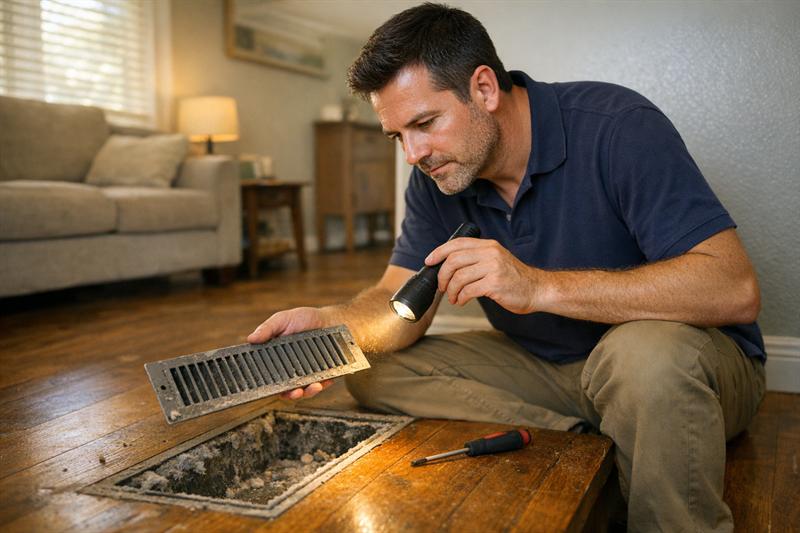
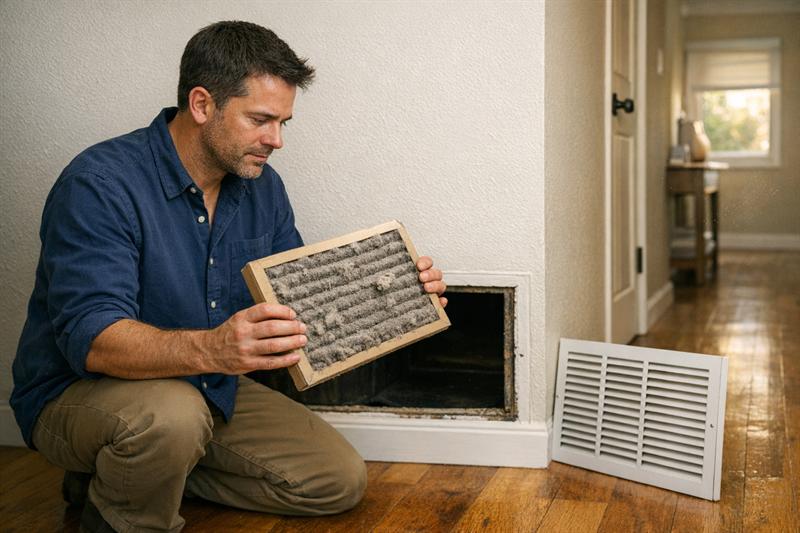
- Excessive Dust or Debris: Dust blowing out of vents or debris collecting unusually fast can indicate buildup inside the ductwork.
- After Renovation or Construction: Fine dust from drywall and construction work can settle in the system and continue circulating until removed.
Remodeling is a common example. Fine construction dust can get pulled into the system and continue moving through the home after the project is finished.
If any of these conditions are present, a professional air duct cleaning service may be the right next step.
When Air Duct Cleaning Is Usually Not Needed
In most homes, duct cleaning is not necessary. A small amount of dust inside vents is normal and expected.
- Light Dust in Vents: Minor dust buildup is common and does not automatically indicate a problem.
- No Airflow or Comfort Issues: If the home heats and cools evenly, the ducts may not be the source of concern.
- Well-Maintained HVAC Systems: Systems with regular filter changes and routine upkeep are less likely to develop serious duct buildup.
This is where unnecessary service recommendations can happen. Dust is visible, so it feels like a problem, but visible dust alone does not always justify cleaning.
In some homes, the actual issue is poor filtration, duct leakage, or an aging system. Cleaning the ducts does not correct those problems, so the same symptoms can continue.
Common Myths About Air Duct Cleaning
“It Always Improves Air Quality”
Not always. Cleaning is most helpful when there is significant contamination in the system. In many homes, air quality is more affected by filtration, airflow, and overall system condition.
“It Boosts HVAC Efficiency Every Time”
Efficiency problems often come from restricted airflow, leaking ducts, or worn components. Cleaning alone does not address those causes.
“It Should Be Done Every Year”
There is no universal yearly schedule for duct cleaning. Treating it like annual maintenance can lead to unnecessary cost without a clear benefit.
How to Tell If Your Air Ducts Need Attention
Warning Signs Inside the Home
What you notice inside the home can offer useful clues about what is happening in the system.
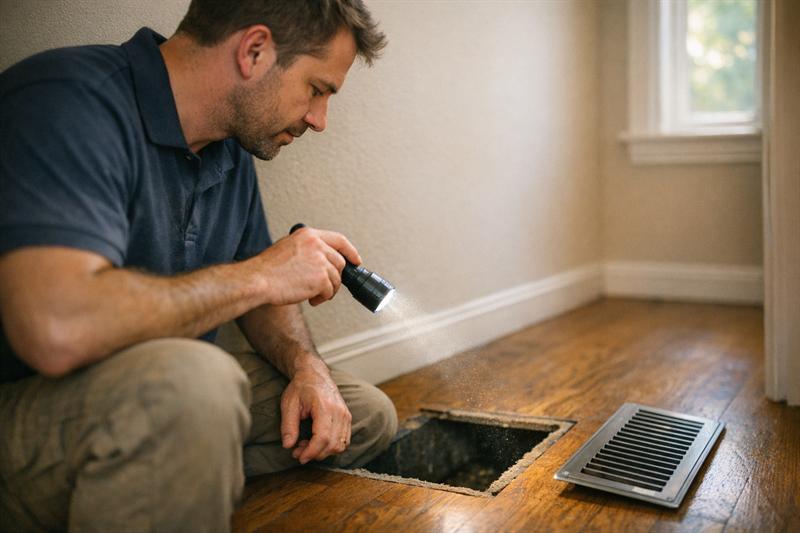
- Dust blowing out of vents when the system starts
- Musty or stale odors when air is circulating
- Dust returning quickly after cleaning surfaces
HVAC Performance Clues
The system itself can also show signs that something needs attention.
- Weak or inconsistent airflow
- Rooms that struggle to reach the set temperature
- Longer run times than usual
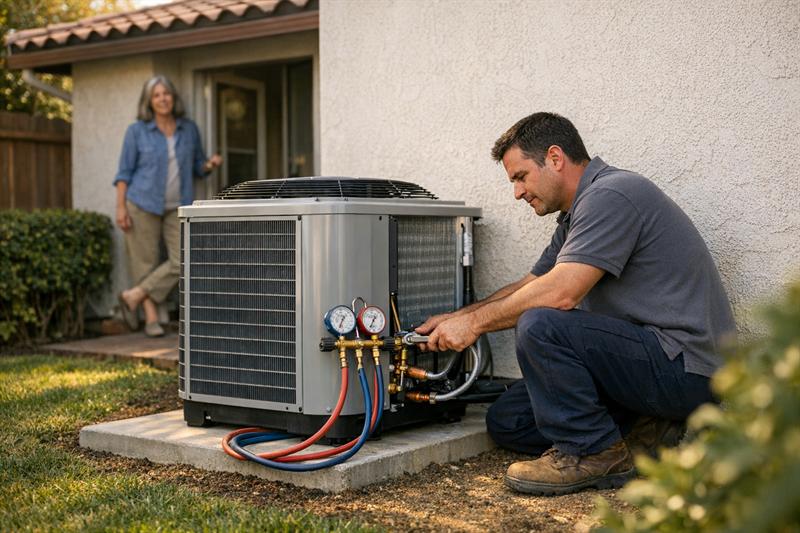
If these signs are present, the cause may be a broader HVAC issue rather than dirty ducts alone. A professional HVAC inspection can help identify what is actually causing the problem.
The Hidden Factor: Your HVAC System Matters More Than You Think
Dirty ducts are often the result of a larger issue, not the starting point.
Poor filtration, air leaks, and age-related wear can allow more dust and debris to circulate and settle in the ductwork over time.
This can become more noticeable when filters are not changed on schedule. The system pulls in more particles, and buildup gradually increases.
Cleaning the ducts without correcting the source can lead to the same issue returning. That is why a full system evaluation is often the more useful first step.
Professional Inspection vs. Cleaning: What’s the Difference
An inspection focuses on finding the cause. Cleaning addresses one possible result of that cause.
Many decisions go sideways when cleaning is recommended before the system is properly evaluated.
A thorough inspection looks at airflow, filtration, duct condition, and overall system performance. If cleaning is needed, it becomes part of a targeted solution rather than a guess.
What to Expect From a Reputable HVAC Company
Not every recommendation for duct cleaning is based on necessity. Knowing what to expect can help you separate useful service from unnecessary upselling.
- A clear explanation of the concern
- Visual confirmation, such as photos or video, when possible
- No pressure to approve work without evidence
- Straightforward pricing without vague add-ons
A reliable company focuses on solving the problem, not just selling a service.
If You’re Seeing These Signs, It’s Time to Act
At that point, the issue is worth evaluating directly rather than guessing.
- Dust visibly blowing from vents when the system runs
- Odors that return every time airflow starts
- Uneven or weak airflow across rooms
- Recent construction or renovation in the home
These signs can point to circulating debris, restricted airflow, or another HVAC issue that needs closer attention.
Conclusion
Air duct cleaning is often misunderstood and sometimes recommended when it is not needed. The real question is whether the ducts are actually the source of the problem.
When the wrong solution is chosen, the issue can continue. Dust returns, airflow stays uneven, and the system still does not perform the way it should.
That is why proper diagnosis matters. Newman’s Heating and Cooling focuses on evaluating the full system before recommending service, so the underlying issue can be addressed instead of covered up.
If your system is showing signs of a problem, the next step is to have it checked. Schedule a professional evaluation with Newman’s Heating and Cooling to get a clear recommendation based on what your home actually needs.
Key Takeaways
- Air duct cleaning is not routine and is often unnecessary
- It is most useful when there is visible contamination or heavy buildup
- Many concerns start with the HVAC system, not just the ducts
- An inspection is more reliable than guessing
- Fixing the root cause helps prevent the same problem from coming back
FAQ Section
Do air ducts need cleaning regularly?
No, regular cleaning is not typically required. Most systems only need attention when there is visible buildup or contamination. If there are no clear signs, cleaning is unlikely to make a noticeable difference. An inspection can help confirm what is actually needed.
Does air duct cleaning improve indoor air quality?
It can help when there is significant debris or contamination in the system. In many homes, indoor air quality is more affected by filtration, humidity control, and airflow. Addressing those areas often has a greater impact.
How often should air ducts be cleaned in a home?
There is no fixed schedule. Cleaning depends on the condition of the system and factors such as renovations, pets, and maintenance habits. Watching for signs of buildup is more useful than following a set timeline.
What are the signs your air ducts are dirty?
Common signs include dust blowing from vents, musty odors, and weak airflow. These can point to buildup in the ductwork or another system issue that should be evaluated.
Can dirty air ducts affect your health?
In some cases, circulating dust or debris can contribute to irritation or make the home feel less comfortable. Overall system condition and filtration usually play a bigger role in indoor air quality.
Is air duct cleaning worth the cost?
It can be worth it when there is a clear problem, such as debris, contamination, or post-construction dust in the system. Without those conditions, the benefit may be limited. An inspection can help determine whether the service is justified.