Quick Answer: The most common HVAC problems usually start with restricted airflow, heavy system use during hot weather, and missed maintenance. Over time, those issues can lead to poor cooling, higher energy use, and breakdowns. In many cases, the first signs are small performance changes that gradually get worse.
When an HVAC system starts acting differently, there is usually an underlying reason. A filter may be clogged, a component may be wearing down, or the system may be losing efficiency. In Sacramento homes, these issues can show up faster because air conditioners often run longer and harder through extended summer heat.
This is where many homeowners get stuck. The system still turns on, but it no longer feels like it is working the way it should. Understanding what may be happening inside the system makes it easier to decide what to do next.
Why HVAC Problems Are So Common in Sacramento Homes
HVAC systems in Sacramento often operate under conditions that increase wear over time.
Long, hot summers force systems to run for extended periods with very little downtime. That steady demand puts stress on key components. It is common for a system to work normally in mild weather, then struggle when temperatures spike.
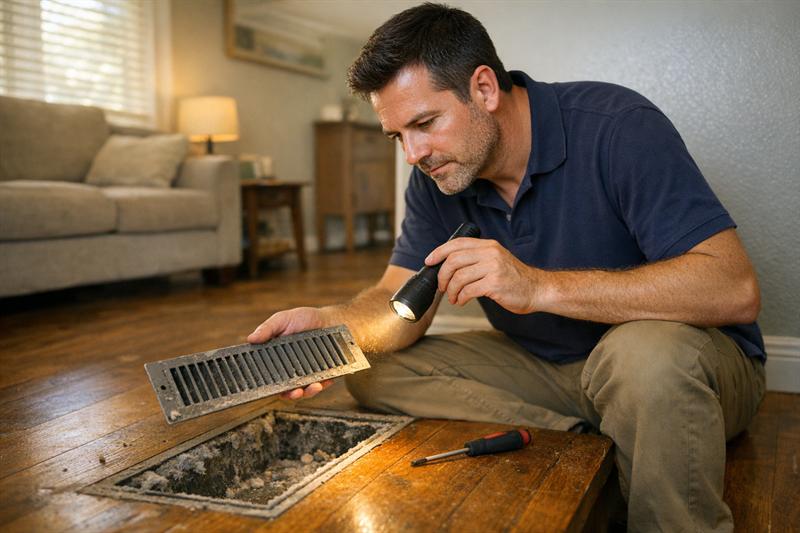
Dust also plays a major role. Fine particles collect in filters, ducts, and coils, gradually restricting airflow. Once airflow is reduced, the system has to work harder to produce the same result, which increases strain.
Older homes can add another layer. Aging ductwork and outdated equipment are often less efficient and may not distribute air evenly. This can lead to comfort issues and increased energy use.
Consistent upkeep helps limit these problems. Simple steps like regular HVAC maintenance can often prevent common failures during peak seasons.
1. AC Blowing Warm Air
If your AC is running but blowing warm air, the system is no longer removing heat effectively. This is one of the clearest signs that something is wrong.
Possible Causes
- Low refrigerant
- Dirty evaporator or condenser coils
- Incorrect thermostat settings or thermostat malfunction
What to Check First
- Confirm the thermostat is set to cool and the temperature is set correctly
- Check and replace the air filter if needed
- Make sure vents are open and unobstructed
When to Call for Repair
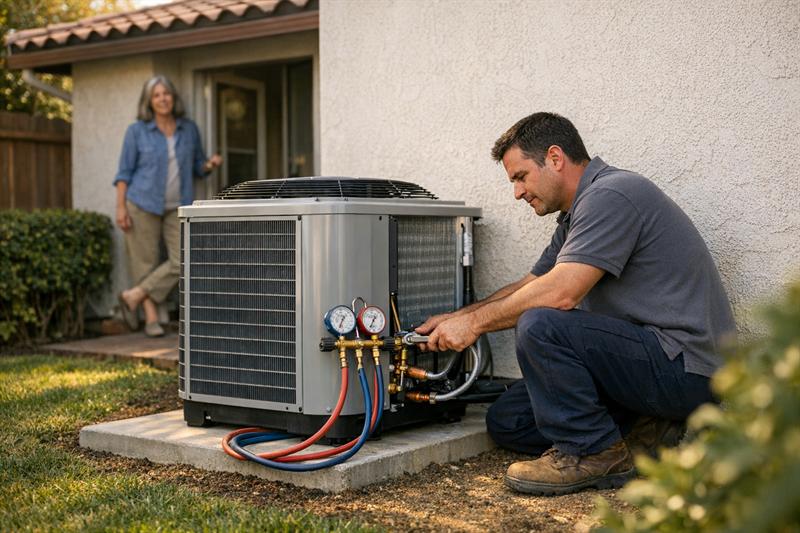
If airflow feels normal but the air is still warm, the system may not be completing the cooling process properly. This can happen when refrigerant is low or coils are coated with debris. The system may continue to run, but cooling performance usually keeps dropping.
At that point, the issue is generally beyond basic troubleshooting. HVAC repair service in Sacramento can identify the cause and help prevent added strain on the system.
Action Block:
If you are noticing any of the following, the problem may be getting worse:
- The AC runs for long periods without cooling the home
- Air from vents feels weak or slightly warm
- Energy use increases without better comfort
- Cooling performance drops during the hottest parts of the day
These signs often point to a system that is losing efficiency or developing an internal problem. At that stage, professional service is usually the practical next step.
2. Weak or Uneven Airflow
Weak airflow means the system cannot push enough air through the home. Uneven airflow means some rooms cool properly while others do not. Both point to a distribution issue.
Duct Issues vs Filter Issues
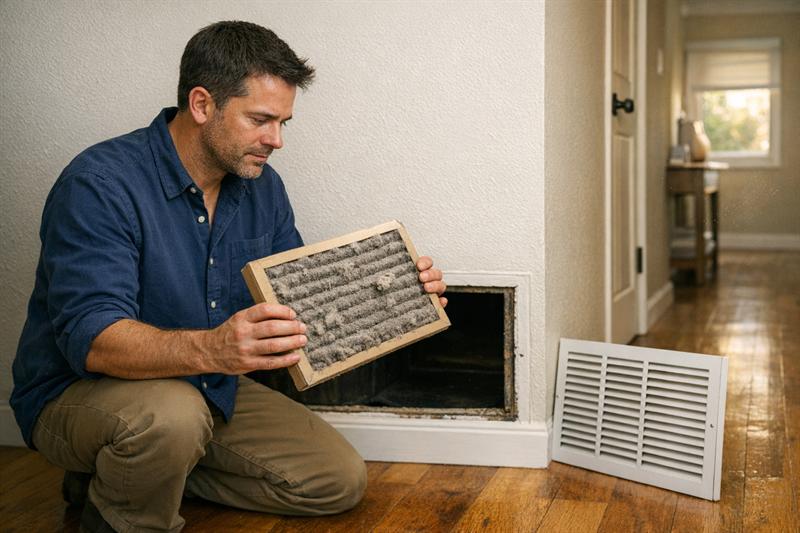
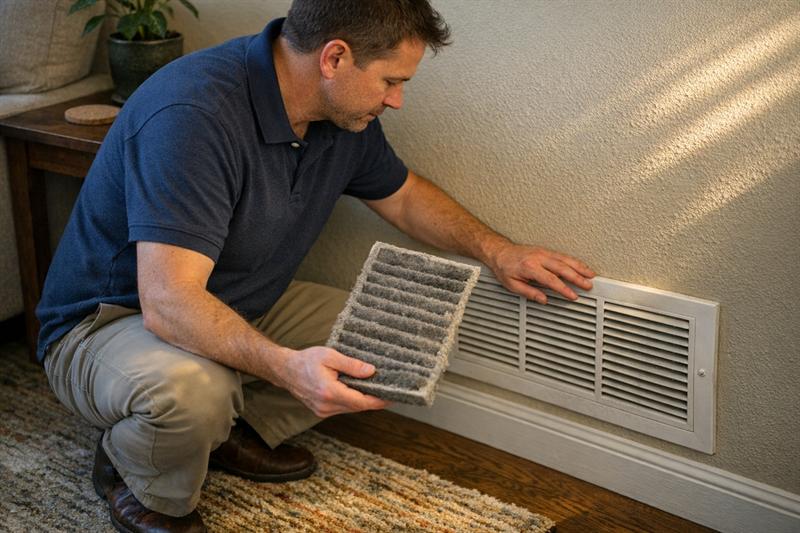
Dirty filters are one of the most common starting points. When filters go too long without being changed, airflow becomes restricted and the system has to work harder to compensate.
Duct issues are more involved. Leaks, gaps, or blockages can reduce how much air reaches each room, creating inconsistent temperatures throughout the home.
Room-to-Room Imbalance
A common pattern is one area feeling comfortable while another stays warm. This usually means airflow is uneven or the duct system is not delivering air efficiently.
If that continues, the system often runs longer to compensate. That added strain can increase wear and energy use over time.
Airflow problems are often identified during a system check. Services such as indoor air quality and airflow evaluations can help pinpoint restrictions or imbalances.
3. HVAC System Turning On and Off Frequently (Short Cycling)
Short cycling happens when the system turns on and off repeatedly without completing a full cycle. This reduces efficiency and places extra stress on components.
Thermostat Problems
Thermostats placed near heat sources or in direct sunlight can misread indoor temperatures. That can cause the system to shut off too early or restart too quickly.
System Sizing Issues
An oversized system can cool too quickly and shut down before air is evenly distributed. This often leads to uneven temperatures and frequent cycling.
Short cycling also increases wear on internal components. Frequent starts and stops put added strain on motors and compressors, which can shorten equipment life if the issue is not corrected.
4. Strange Noises Coming From the System
Unusual noises are a clear sign that something inside the system is not working as it should.
Banging, Rattling, Buzzing Explained
- Banging: Often linked to loose or damaged internal parts
- Rattling: Commonly caused by debris or unsecured panels and components
- Buzzing: Sometimes associated with electrical problems or failing parts
Noise can be an early warning that a part has come loose or started to fail. Continuing to run the system in that condition can increase the chance of more extensive damage.
When early noises are ignored, the repair often becomes more involved later.
5. Thermostat Not Working Properly
The thermostat controls how and when the system runs. When it is not working properly, overall performance becomes inconsistent.
Calibration and Placement Issues
If the thermostat is not reading temperatures accurately, it can send the wrong signals to the system. That may lead to uneven temperatures or unnecessary cycling.
Placement also affects accuracy. Thermostats near vents or exposed to direct sunlight can produce misleading readings, which changes how the system responds.
In some cases, replacing an outdated unit with updated thermostat controls can help resolve recurring issues.
6. High Energy Bills Without Explanation
If energy bills increase while comfort stays the same or declines, the system is likely losing efficiency.
Efficiency Loss Indicators
- Longer run times without improved cooling
- Rooms not reaching the desired temperature
- System running more frequently than expected
This often happens when airflow is restricted or components begin to wear down. The system has to work harder to maintain temperature, which increases energy use.
If that continues, operating costs rise and added strain can contribute to other problems over time.
7. HVAC System Not Turning On
If the system does not turn on at all, the issue is often related to power, controls, or a protective shutdown.
Electrical vs Mechanical Causes
Tripped breakers, wiring issues, or thermostat problems can prevent startup. In some cases, overheating can trigger a safety shutdown to protect the equipment.
Repeated shutdowns usually mean the system is under stress or developing a larger fault.
Resetting the system again and again without finding the cause can make the problem harder to track down.
How to Tell If It’s a Quick Fix or a Bigger Problem
- If replacing the filter restores airflow, the issue was likely minor
- If the problem returns quickly, a deeper issue may be present
- If performance drops during extreme heat, the system may be under strain
- If multiple issues appear together, a larger problem may be developing
Small issues often build on each other. What starts as restricted airflow can lead to higher strain, then component wear, and eventually a breakdown if it is left unresolved.
When It Makes Sense to Call a Professional
- The system runs but does not cool effectively
- Problems return after basic fixes
- Unusual sounds or odors appear
- Energy use increases without a clear reason
At that point, the issue usually requires a more complete system check. Professional tools and hands-on experience can help identify the root cause.
How Regular Maintenance Prevents These Problems
- Replacing filters on a consistent schedule
- Inspecting components before peak seasons
- Cleaning coils and checking airflow
- Identifying wear before it leads to a larger repair
This is where many major breakdowns can be avoided. HVAC systems often show early warning signs, and maintenance helps catch those issues before they escalate.
Key Takeaways
- Many HVAC problems begin with airflow restriction or system strain
- Small performance issues tend to worsen over time
- Ignoring early signs increases the chance of a breakdown
- Early service can help maintain efficiency and reliability
Conclusion
Most HVAC problems develop gradually. Restricted airflow, extended run times, and missed maintenance can reduce performance and eventually lead to breakdowns.
If these issues are not addressed, the system works harder, runs longer, and becomes less reliable when it is needed most. That is often when repairs become more urgent and disruptive.
Newman’s Heating and Cooling focuses on identifying these patterns early and correcting them before they turn into larger problems. Whether the issue involves airflow, component wear, or system strain, the next step is getting a clear diagnosis.
If your system is showing these signs, the most practical next step is to schedule HVAC inspection or repair service before the problem gets worse.
Frequently Asked Questions
What is the most common HVAC problem?
Restricted airflow is one of the most common HVAC problems, often caused by dirty filters or blocked vents. It reduces efficiency and increases strain on the system. If airflow does not improve after basic maintenance, a professional inspection is usually the next step.
How do I know if my HVAC system needs repair or replacement?
Frequent issues, uneven temperatures, and rising energy use are common signs of a deeper problem. Systems that struggle during high-demand periods may be nearing the end of their useful life. A professional evaluation can help you decide whether repair or replacement makes more sense.
Why is my AC running but not cooling the house?
This usually means the system is not removing heat effectively because of airflow restrictions, dirty components, or refrigerant-related issues. The system may keep running, but cooling performance drops. If basic checks do not solve it, service is usually needed.
Can I fix HVAC problems myself?
Basic maintenance like changing filters can usually be handled at home. More complex issues involving internal components or electrical parts require proper tools and experience. Trying to handle advanced repairs yourself can lead to more damage.
How often should HVAC systems be serviced?
Most systems benefit from service once or twice a year. Regular inspections help identify early wear and keep the system operating more efficiently during peak seasons.
What causes uneven cooling in a home?
Uneven cooling is often linked to airflow restrictions, duct problems, or system imbalance. Some rooms may receive less conditioned air than others because of these issues. A system evaluation can help identify the cause and recommend the right fix.