Quick Answer: Poor indoor air quality is often caused by a combination of clogged HVAC filters, dust buildup in ductwork, restricted airflow, and moisture inside the system. Once those issues develop, the system can keep recirculating particles and odors until the source is addressed.
A home can look clean and still have poor indoor air quality. At Newman’s Heating and Cooling, this is a common concern for homeowners. The issue usually is not what you can see on surfaces, but what is moving through the system behind the walls and vents.
Most air quality problems do not appear all at once. They build gradually, and by the time the signs become obvious, the system has often been circulating those conditions for some time.
What Is Indoor Air Quality and Why It Matters
Indoor air quality refers to the condition of the air inside your home, including dust, allergens, humidity, and other airborne particles. It affects comfort, cleanliness, and how well your HVAC system performs.
A clean home does not always mean clean air. Air quality depends on how effectively your system filters and moves air. When part of that process breaks down, contaminants stay in circulation instead of being removed.
For homeowners dealing with ongoing issues, indoor air quality solutions are meant to address what is happening inside the system, not just what is visible in the home.
Common Signs Your Indoor Air Quality May Be Poor
- Physical symptoms: frequent allergy flare-ups, headaches, fatigue, or a dry throat
- Dust buildup: surfaces collect dust quickly after cleaning
- Musty or stale odors: noticeable when the system turns on
- Uneven airflow: certain rooms feel stuffy or stagnant
- Humidity issues: air feels overly dry or damp
These are often the first signs homeowners notice. The symptoms show up in the living space while the cause continues inside the HVAC system.
Top Causes of Poor Indoor Air Quality in Homes
Dirty or Clogged HVAC Filters
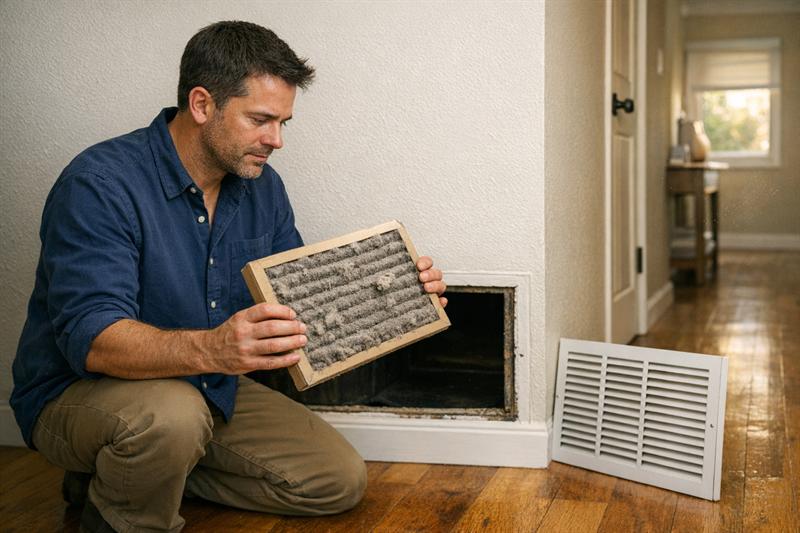
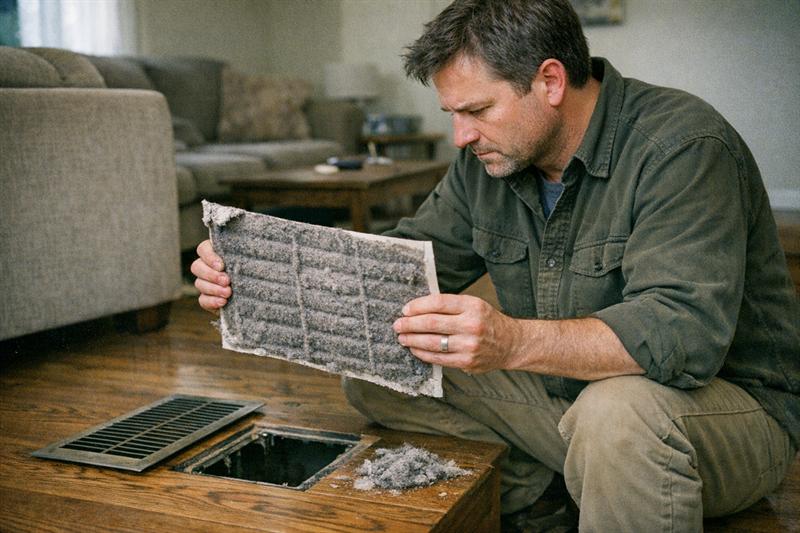
Filters are designed to capture airborne particles before they move through your home. When they become clogged, they work less effectively and can restrict airflow.
Filters are sometimes left in place too long, which allows more dust and allergens to stay in circulation. At the same time, reduced airflow puts extra strain on the system and can make comfort problems more noticeable.
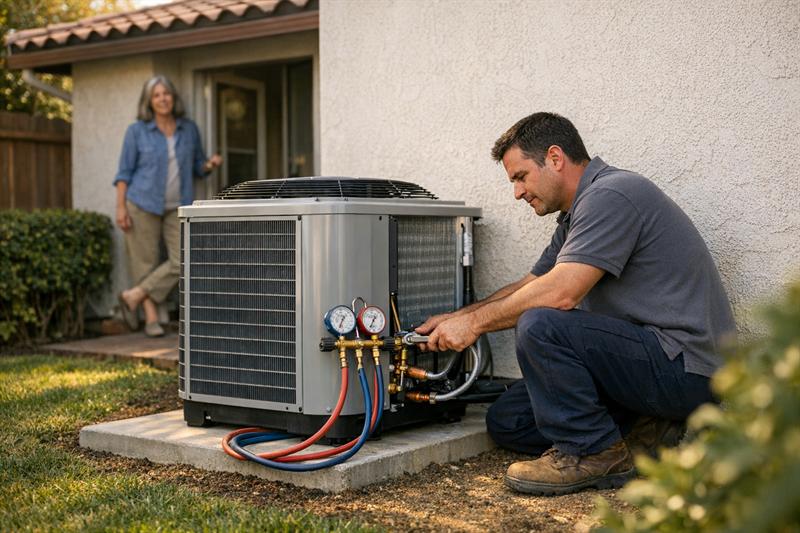
Without consistent upkeep, both air quality and system performance can decline. That is why regular HVAC maintenance is one of the most practical ways to stay ahead of the problem.
Dust and Debris in Ductwork
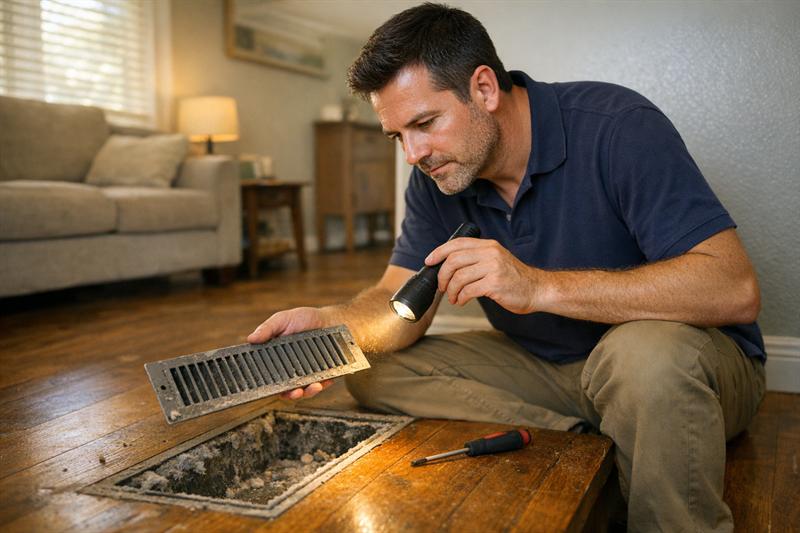
Ductwork naturally collects dust and debris over time. When buildup becomes significant, some of those particles can be pushed back into the home each time the system runs.
A common pattern is repeated cleaning with no lasting result. The surfaces look clean, but the source is still inside the ducts, so dust keeps returning.
Poor Ventilation and Airflow
Many newer homes are built to be tightly sealed. While that helps with efficiency, it can also limit fresh air exchange.
When airflow is restricted or unbalanced, stale air can linger indoors longer than it should. This contributes to rooms that feel heavy, stuffy, or less comfortable.
Mold and Moisture Buildup
Moisture inside the system can create conditions where mold may develop. This often happens around coils, drain lines, or inside sections of ductwork.
These problems usually get worse when humidity is not well controlled. Once growth starts, it can continue affecting air quality until the moisture issue is corrected.
Pet Dander and Allergens
Pet hair and dander add fine particles to the air that standard filters may not fully capture. Those particles can continue moving through the system and settling throughout the home.
In homes with pets, this buildup can happen quickly. Without better filtration or airflow improvements, dust and irritation may continue.
Outdoor Pollutants Entering the Home
Outdoor air can bring in pollen, dust, and smoke. In some areas, seasonal allergens and wildfire smoke can have a noticeable effect on indoor air quality.
Once inside, those particles may be pulled into the HVAC system and redistributed. Without effective filtration, they can remain part of the indoor air.
Household Products and Chemicals
Cleaning products, paints, and some building materials release airborne compounds. In a tightly sealed home, those particles can linger longer indoors.
Over time, this can add to overall air quality problems, especially when combined with filtration, airflow, or moisture issues inside the system.
How HVAC Systems Affect Indoor Air Quality
Filtration Systems
Your HVAC system helps remove particles from the air. When filters are low quality, the wrong size, or overdue for replacement, more contaminants can pass through instead of being captured.
Air Circulation and Ventilation
The system moves air throughout the home. If that air contains dust, allergens, or odors, those particles can be distributed from room to room.
Maintenance and System Cleanliness
This is where issues often compound. A system that has not been maintained does not just lose efficiency; it can also keep moving buildup that should have been addressed.
Small issues often stack together. Dirty filters, dust in ducts, and airflow problems can combine and lead to noticeably worse indoor air quality.
If you are noticing these signs, the issue may be inside your HVAC system:
- Dust returns quickly after cleaning
- Allergy symptoms seem worse indoors
- Air smells musty when the system runs
- Some rooms feel stale or have weak airflow
When several of these signs show up together, it is often a sign that the system needs closer attention.
How to Improve Indoor Air Quality
- Regular HVAC maintenance: helps keep airflow consistent and components clean
- Air filter upgrades: can improve the system’s ability to capture fine particles
- Duct cleaning: can remove buildup that may be circulating through the home
- Whole-home air purification: adds another layer of air treatment beyond standard filtration
Simple fixes can help at first, but they may not solve deeper system issues. When multiple causes are involved, improvement usually does not last until the underlying problem is addressed.
That is where air quality services can help. The goal is to identify what is happening inside the system and correct the source of the problem.
When to Consider Professional Indoor Air Quality Services
If the same problems keep coming back, the root cause likely has not been corrected. This is where many homeowners get stuck.
One common situation is changing filters regularly but seeing little improvement. That can point to issues deeper in the system, such as duct buildup, airflow imbalance, or excess moisture.
At that point, surface-level fixes usually are not enough. A full system evaluation is often the clearest next step.
Key Takeaways
- Indoor air quality problems often come from several sources at once
- The HVAC system plays a central role in how air moves and what stays in it
- Dust, moisture, and airflow issues tend to build gradually over time
- Ignoring the cause can lead to ongoing discomfort and repeated cleaning
- Lasting improvement depends on addressing what is happening inside the system
Conclusion
Poor indoor air quality is often tied to what is happening inside the HVAC system. Once those issues develop, the system can keep circulating them until the source is corrected.
What many homeowners experience is a repeating cycle: dust returns, odors linger, and quick fixes stop helping because the underlying issue has not been addressed.
Newman’s Heating and Cooling focuses on identifying those underlying causes, whether that means airflow restriction, buildup in the system, or filtration that is no longer doing its job effectively.
If you are dealing with recurring air quality issues, the next step is to have the system evaluated. That is how temporary fixes turn into a longer-term solution.
Frequently Asked Questions
What is the most common cause of poor indoor air quality?
Dirty HVAC filters are one of the most common causes. When they clog, they stop capturing particles effectively and allow more dust and allergens to stay in circulation. Keeping up with filter changes helps prevent that buildup.
Can HVAC systems make indoor air quality worse?
Yes. When systems are not maintained, they can circulate dust, debris, and moisture throughout the home. The condition of the system directly affects the air moving through it.
How often should air filters be changed?
Many filters need to be replaced every 1 to 3 months, depending on the filter type, system use, and conditions in the home. Homes with pets or higher dust levels often need more frequent changes.
Does duct cleaning improve indoor air quality?
Duct cleaning can help when there is visible or heavy buildup inside the system. Removing that debris may reduce what gets circulated through the home. An inspection can help determine whether it makes sense for your system.
How can I tell if my home has poor air quality?
Common signs include repeated dust buildup, stale odors, allergy flare-ups, and uneven airflow. When those issues continue, the HVAC system is often one of the first places to check.
What are simple ways to improve indoor air quality quickly?
Start by replacing the filter and making sure vents and returns are not blocked. Those steps can help reduce circulating particles. If the problem keeps coming back, the system likely needs a more thorough evaluation.