Quick Answer: Most homes typically need air duct cleaning every 3 to 5 years, but that timeline can change when dust builds up, airflow drops, or indoor air feels noticeably less clean. The right timing depends on what is happening in your home and HVAC system, not just a fixed schedule.
At Newman’s Heating and Cooling, this question usually comes up after something changes. Rooms feel stuffy, dust shows up faster than usual, or airflow is not what it used to be. The confusion comes from mixed advice, but in practice, duct cleaning should be based on system conditions, not guesswork.
The Short Answer: How Often Do Air Ducts Need Cleaning?
Most homes fall into a 3 to 5 year range, especially when the system is well maintained and the home environment is stable. Once conditions change, that timeline can shorten.
- Every 3 to 5 years for typical homes with consistent filter changes
- More often if you have pets, allergies, or ongoing dust issues
- Sooner after renovations, smoke exposure, or airflow problems
Relying only on a set number of years can cause early warning signs to be missed. By the time those signs become obvious, buildup may already be affecting airflow and system performance.
What Actually Determines How Often You Should Clean Air Ducts
There is no single schedule because buildup develops differently in every home. What matters most is how quickly dust, debris, and other particles enter and settle inside the duct system.
Pets, Allergies, and Household Activity
Homes with pets collect hair and dander faster than many people expect. That material can get pulled into the system and settle inside the ductwork. Over time, it may recirculate through the home and add to indoor dust.
Dust, Pollen, and Outdoor Air Quality
Fine dust and pollen regularly enter homes, especially in dry climates. A common pattern is gradual buildup that goes unnoticed until dust starts returning quickly after cleaning. At that point, the duct system may be part of the problem.
Smoke Exposure and Wildfire Impact
Smoke particles are small and tend to cling to surfaces. Once inside the system, they can remain in the ductwork and continue affecting the air moving through the home when the system runs.
Home Renovations or New Construction
Construction dust spreads easily, even when vents are covered. Buildup often starts here, because debris can get pulled into the system and redistributed once airflow resumes.
HVAC System Condition and Filtration
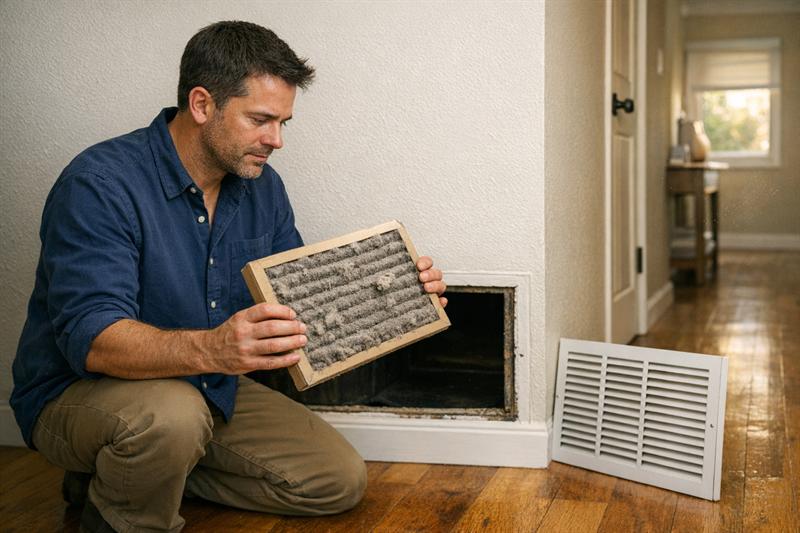
Filters are the first line of defense. When filters are clogged or not changed regularly, more particles pass through and settle in the ducts. Over time, that buildup can affect airflow and make the system work harder.
Improving filtration and indoor air quality can help slow future buildup, but it does not remove debris that is already inside the ducts.
7 Signs Your Air Ducts May Need Cleaning
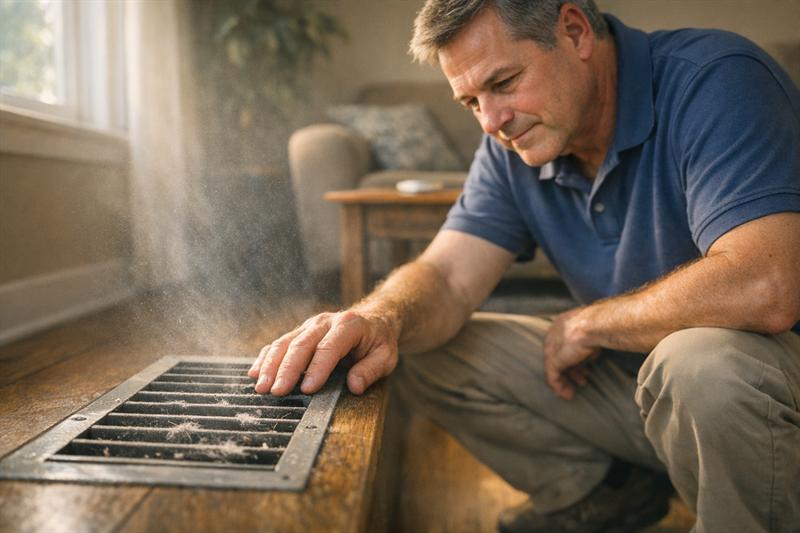
- Dust blowing from vents: A sign that buildup may be getting pushed back into living spaces.
- Musty or stale odors: Odors that show up when the system runs can sometimes come from inside the ductwork.
- Weak or uneven airflow: Blockages or buildup may limit how air moves through the home.
- Increased allergy symptoms indoors: Recirculating dust and particles can make indoor conditions feel worse.
- Recent remodeling or construction: Debris introduced during work may continue to circulate.
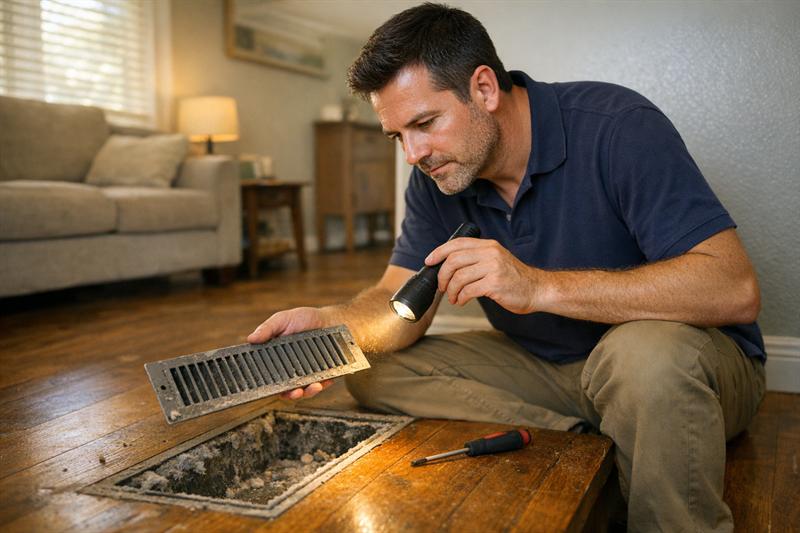
- Visible buildup near vents: What shows at the surface can point to accumulation deeper in the system.
- Debris inside ducts: Visible debris is a clear sign the system should be checked.
Homeowners often notice one or two of these signs and assume it is minor, but they can point to buildup that is already affecting comfort, airflow, or cleanliness throughout the home.
When Air Duct Cleaning Is NOT Necessary
Not every system needs routine duct cleaning. If airflow is strong, dust levels are stable, and there are no signs of buildup or contamination, cleaning may not add much value.
A common mistake is cleaning ducts without addressing the cause of the buildup. If filtration or airflow issues are left unresolved, the same problem can return and limit the benefit of cleaning.
The better approach is simple: inspect the system first. If the ducts are in good shape and airflow is consistent, no action may be needed. If not, cleaning may be part of the solution.
How Dirty Ducts Affect Indoor Air Quality and HVAC Performance
Airflow and System Efficiency
As buildup increases, airflow can become more restricted. The system may need to run longer to move the same amount of air, which adds wear over time and can reduce overall efficiency.
Dust Circulation vs. True Contamination
Some dust is normal in any home, but heavy buildup inside ducts can keep particles moving through the system. This is one reason surfaces may start collecting dust faster than expected.
Comfort Issues and Uneven Temperatures
Restricted ducts can disrupt how air is distributed. Some rooms may receive less airflow, leading to uneven temperatures that do not improve with thermostat changes.
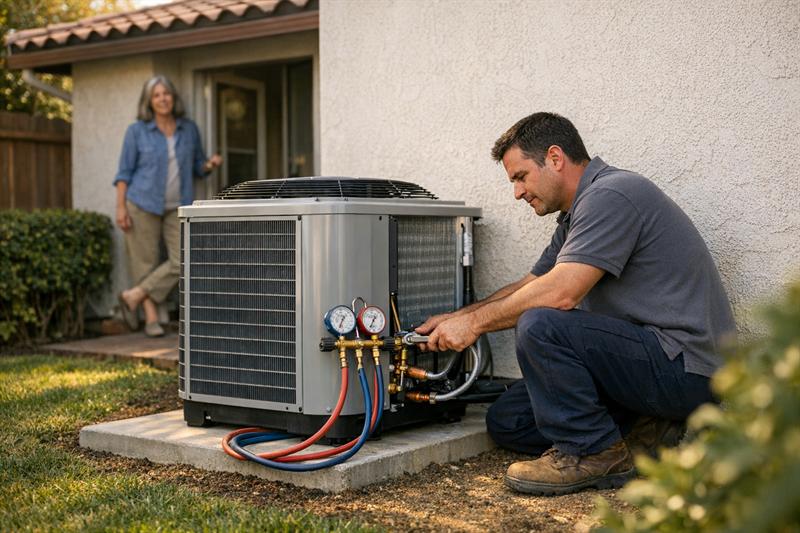
If these issues are already showing up, a full system check is the next step. Many homeowners start with HVAC service and repair to find out whether duct buildup is part of the problem.
Professional Duct Cleaning vs DIY: What’s the Difference?
What Professional Cleaning Includes
Professional cleaning uses equipment designed to remove debris from the full duct system, including sections that are not accessible through vents and returns.
Limits of DIY Cleaning
DIY cleaning usually reaches only what is visible near the openings. It does not address buildup deeper in the system, which is where a large share of accumulation can remain.
That is why surface cleaning may improve appearance without fully resolving dust or airflow issues.
If You’re Seeing These Signs, It’s Time to Act
If airflow is dropping or dust keeps returning, the system may already be affected.
- Dust returns quickly after cleaning
- Rooms feel uneven or harder to heat and cool
- Odors appear when the system starts
- Allergy symptoms feel worse indoors
When several of these show up together, it is a good time to have the duct system checked and determine whether cleaning makes sense.
How Duct Cleaning Fits Into Overall HVAC Maintenance
Duct cleaning works best as part of a larger maintenance plan. Filters, airflow, and system condition all affect how quickly buildup returns.
Treating each issue separately can miss the bigger picture. These parts of the system work together, and problems in one area often affect another.
Routine maintenance helps keep airflow consistent, reduces avoidable buildup over time, and supports normal system performance.
Key Takeaways
- There is no fixed cleaning schedule that applies to every home
- Most systems need attention every few years, depending on conditions
- Dust, odors, and airflow issues are common signs that the system should be checked
- Filtration and home environment directly affect how fast buildup occurs
- Duct cleaning is one part of keeping the full HVAC system running properly
Conclusion
Air duct cleaning becomes worth considering when buildup starts interfering with airflow, comfort, or overall system performance. Left alone, that buildup can continue circulating through the home and add strain to the system.
Small issues can become more noticeable over time. Reduced airflow may lead to longer run times, uneven temperatures, and dust problems that do not improve without addressing the source.
Newman’s Heating and Cooling focuses on identifying the actual cause of these issues, not just treating the symptoms. If you are seeing signs of buildup or declining performance, the next step is a proper evaluation to determine whether duct cleaning is needed and how it fits into your system.
Frequently Asked Questions
How do I know if my air ducts really need cleaning?
If dust is coming from vents, airflow feels weaker, or odors appear when the system runs, those are strong signs the system should be inspected. When several of these issues are present, duct cleaning may be part of the solution.
Is air duct cleaning necessary every year?
No, most homes do not need yearly cleaning. Frequency depends on how quickly buildup develops. Following a fixed schedule can miss the bigger issue, which is the condition of the system and the home environment.
Can dirty air ducts affect your health?
Dirty ducts can contribute to circulating dust and airborne particles. This can make indoor air feel less clean, especially for people who are sensitive to allergens or dust.
How long does air duct cleaning last?
In most homes, the results can last several years. The timeline depends on filtration, household activity, and environmental conditions. Consistent maintenance helps extend the benefit.
Will duct cleaning improve airflow?
If buildup is restricting airflow, cleaning can help restore more normal air movement through the system. If the issue is coming from another cause, that should be addressed separately.
What’s the difference between duct cleaning and changing filters?
Filters help capture particles before they enter the system. Duct cleaning removes material that has already settled inside. Both play a role in maintaining airflow and cleaner operation over time.