Quick Answer: Choosing the right HVAC system starts with matching the equipment to your home’s layout, climate, and existing setup, not just picking the most popular option. When homeowners choose based only on price or guesswork, the result can be uneven comfort, higher energy bills, and a system that wears out faster than it should.
Why Choosing the Right HVAC System Matters More Than You Think
Your HVAC system affects how your home feels every day. It also plays a major role in energy use and long-term costs. When the system is not matched correctly, it may run longer, struggle to maintain temperature, and put more strain on its components.
One of the most common problems after a replacement is that the new system does not solve the comfort issues the homeowner expected it to fix. Certain rooms may still stay too hot or too cold, and the system may run more than expected. In many cases, the issue is not the equipment itself but how it was selected or sized.
If this decision is rushed or based on limited information, it can lead to repeated repairs, inconsistent comfort, and higher operating costs over time.
The Main Types of HVAC Systems Explained
Central Air Conditioner + Furnace
This is one of the most widely used residential HVAC setups. The air conditioner handles cooling, and the furnace provides heat. Both rely on the same duct system to move air throughout the home.
It works well in homes that already have ductwork and access to gas. When properly sized and installed, it can provide steady heating and cooling.
A common issue is replacing only the furnace or only the air conditioner. When system components are no longer well matched, efficiency can drop and performance may become uneven.
Heat Pump Systems
A heat pump provides both heating and cooling by transferring heat rather than generating it. That can make it a strong option in areas with milder winters.
Heat pumps are becoming more common, especially in homes where cooling is used frequently. Still, they are not the right fit for every home.
Problems can develop when a heat pump is installed without considering insulation, duct condition, or how the home holds temperature. In those cases, the system may run longer and struggle to maintain consistent comfort.
Learn more about installation considerations here: heat pump installation services.
Ductless Mini-Split Systems
Ductless systems deliver air directly into specific rooms without using ducts. They allow for individual temperature control in different areas of the home.
They are often used in older homes, additions, or spaces where adding ductwork is not practical.
A common challenge is trying to use ductless systems as a whole-home solution without proper planning. This can lead to uneven coverage and a more complicated setup than expected.
Packaged HVAC Units
Packaged systems combine heating and cooling into a single outdoor unit. These are typically used when indoor space is limited.
While less common in residential homes, they can be a practical option in certain layouts where traditional split systems are not ideal.
Furnace vs Heat Pump vs AC: What’s the Difference?
A furnace provides heat only. An air conditioner provides cooling only. A heat pump does both by moving heat between indoor and outdoor air.
The main difference comes down to how each system operates and where it tends to perform best. Heat pumps are generally a good fit in milder climates, while furnaces are often preferred in colder conditions. Air conditioners are typically paired with furnaces in homes that need both cooling and a separate heat source.
Confusion often starts here. Many homeowners assume one system replaces all others. In reality, the best choice depends on how your home uses heating and cooling throughout the year.
How to Choose the Best HVAC System for Your Home
Climate Considerations
Climate plays a major role in system selection. In areas with long, hot summers, cooling performance becomes the priority.
Choosing equipment that does not fit local weather patterns can lead to higher energy use and less consistent comfort.
Home Size and Layout
The size and layout of your home directly affect how well a system performs. Systems that are too large cycle on and off quickly. Systems that are too small may run continuously without reaching the set temperature.
Incorrect sizing often leads to uneven temperatures, added wear, and difficulty controlling humidity.
Energy Efficiency Goals
Higher-efficiency systems are designed to use less energy over time, but they typically cost more upfront. The key is choosing a level of efficiency that makes sense for how often the system will be used and how long you plan to stay in the home.
When efficiency is selected without considering actual usage, the expected savings may not fully materialize.
Budget vs Long-Term Costs
Focusing only on upfront cost often leads to higher expenses later. Lower-cost systems may run longer and require more maintenance as they age.
A lower initial price can turn into higher monthly bills and more service needs over time, especially if the system is not a good fit for the home.
Existing Ductwork
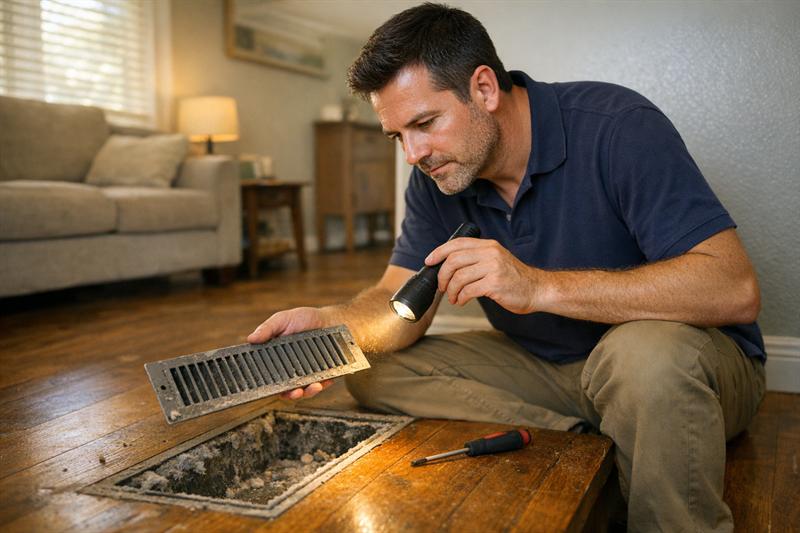
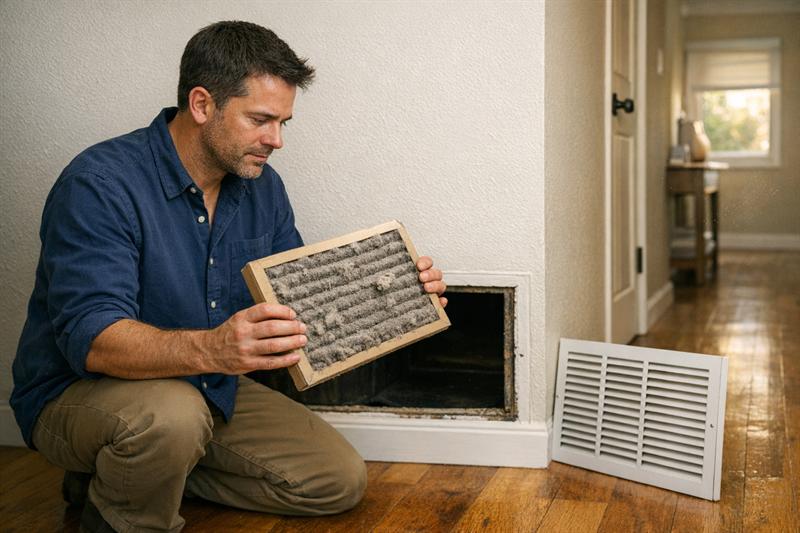
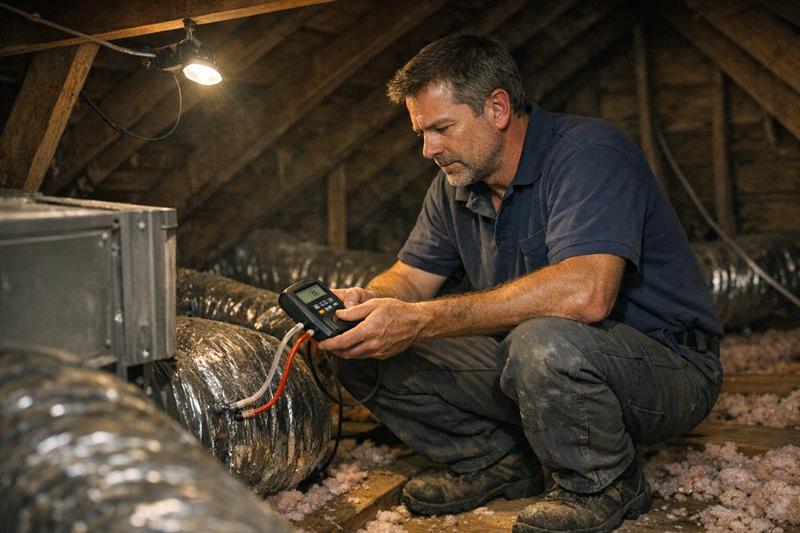
Ductwork has a direct impact on how well your system performs. Leaks, poor design, or aging materials can reduce airflow and efficiency.
This is often overlooked during replacement. Installing a new system without addressing duct issues can limit performance and lead to uneven temperatures.
Common Mistakes Homeowners Make When Choosing HVAC Systems
- Oversizing or undersizing the system
- Choosing based only on upfront cost
- Ignoring ductwork condition
- Not considering long-term energy use
- Skipping a professional evaluation
These mistakes often show up later as comfort issues, higher energy use, and ongoing service needs.
When to Repair vs Replace Your HVAC System
If your system is older, requires frequent repairs, or no longer maintains consistent temperatures, replacement may be the more practical option.
Many homeowners continue repairing an aging system, only to deal with the same issues again. Over time, those repair costs can add up without improving overall performance.
If you are noticing repeated breakdowns, rising energy bills, or uneven comfort, those are common signs that the system may be nearing the end of its useful life.
Explore service options here: air conditioning and furnace service and repair.
How Professional HVAC Installation Impacts Performance
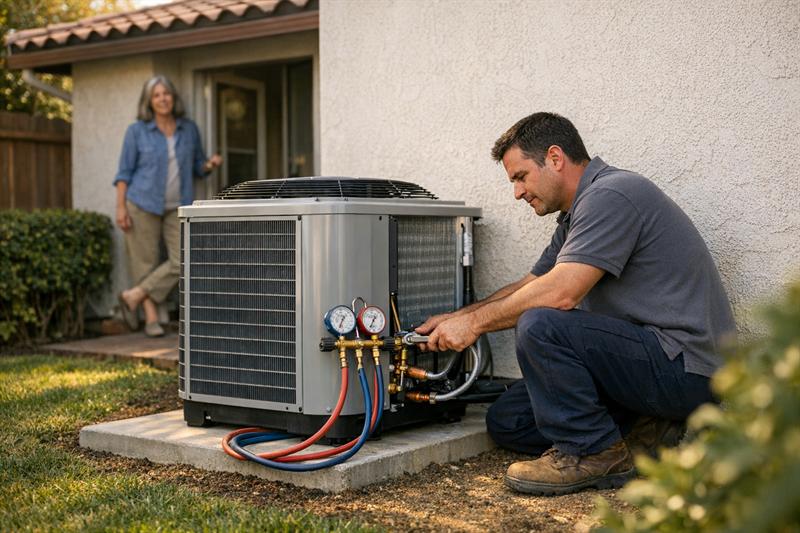
Even a high-quality system depends on proper installation. Sizing, airflow, refrigerant charge, and duct condition all influence how the system performs.
Many long-term comfort and efficiency problems start with installation details that were missed or rushed. Poor installation can lead to uneven temperatures, reduced efficiency, and increased wear on the system.
A properly installed system is more likely to maintain steady comfort and operate efficiently. Addressing installation details early helps prevent problems that are harder and more expensive to correct later.
If your current system is struggling, it often shows up in clear ways:
- Rooms that stay too hot or too cold
- Energy bills rising without a clear reason
- The system runs constantly or cycles too often
- Repairs that do not fully resolve the issue
When these signs are present, the equipment or the overall setup may no longer be working as it should. A full evaluation is usually the next step.
Conclusion
Choosing the right HVAC system is about fit, not guesswork. When the system does not match the home, it can lead to uneven comfort, higher operating costs, and ongoing frustration.
These issues usually build over time. What starts as minor discomfort can turn into frequent repairs and rising energy use.
Newman’s Heating and Cooling focuses on evaluating the full system, including sizing, ductwork, and how the home actually uses heating and cooling. That approach helps avoid many of the problems that come from rushed or incomplete decisions.
If your current system is not performing well or you are planning a replacement, scheduling an evaluation is a practical next step. It gives you a clearer path forward based on how your home actually operates.
Key Takeaways
- The right HVAC system depends on your home’s layout, climate, and usage
- Incorrect sizing is a common cause of poor performance
- Lower upfront cost can lead to higher long-term expenses
- Ductwork condition directly affects efficiency and comfort
- Installation quality plays a major role in system performance
FAQ Section
What is the best HVAC system for a home?
The best system is the one that fits your home’s size, layout, and climate. Homes with existing ductwork often use central systems, while others may benefit from ductless or heat pump options. A proper evaluation helps identify the best fit for your situation.
Is a heat pump better than a furnace?
A heat pump can be more efficient in milder climates, while a furnace may be a better fit in colder conditions. The better option depends on how your home uses heating and cooling throughout the year.
How do I know what size HVAC system I need?
System size is typically determined through a load calculation that considers factors such as square footage, insulation, windows, and layout. Incorrect sizing can lead to comfort and efficiency issues, so professional sizing is recommended.
Are ductless mini-splits worth it?
Ductless systems can be a good option for homes without ductwork or for specific areas like additions, garages, or converted spaces. They work best when the design matches the space they are serving.
How long does an HVAC system last?
Many HVAC systems last around 10 to 20 years, depending on usage, maintenance, and installation quality. Systems that are properly installed and maintained tend to last longer.
Should I replace my HVAC system or repair it?
If the system is older, needs frequent repairs, or no longer maintains comfort, replacement may be the more practical choice. A professional evaluation can help determine whether repair or replacement makes more sense.