Quick Answer: Duct leaks cause energy loss by letting conditioned air escape before it reaches your living spaces. When that happens, your HVAC system has to run longer to keep up, which can lead to higher energy use, uneven temperatures, and reduced comfort throughout the home.
At Newman’s Heating and Cooling, one common reason a home feels inconsistent is leaking ductwork. The system may be running and the thermostat may be set correctly, but if air is being lost along the way, comfort and efficiency both suffer.
When air escapes before it reaches the rooms it is supposed to serve, the whole system becomes less balanced. That imbalance is what drives both wasted energy and noticeable comfort problems.
What Happens When Your Ductwork Leaks
Your duct system is responsible for delivering heated or cooled air from your HVAC equipment into each room. When leaks are present, part of that air never makes it to its destination.
This is where performance starts to break down. The system may run longer to compensate, but the airflow delivered through the home is still uneven. Over time, that can mean higher energy use and rooms that never feel quite right.
How Air Escapes Before It Reaches Your Rooms
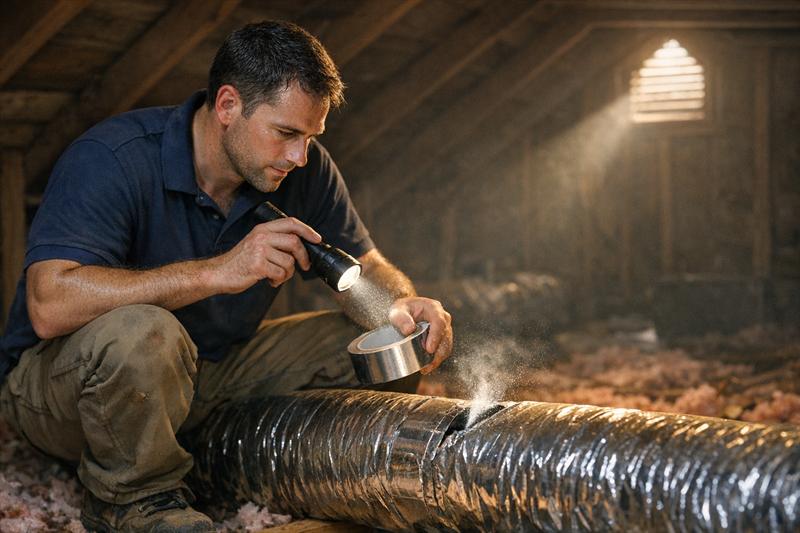
Air can escape through gaps, loose connections, and worn sections of ductwork. This is especially common in attics and crawl spaces, where ducts are exposed to heat, dust, and age.
When conditioned air is lost into these unused areas, energy is being used without improving comfort inside the home.
Why Leaks Disrupt System Pressure and Balance
HVAC systems rely on steady airflow and pressure to distribute air evenly. When leaks are present, airflow drops and distribution becomes less consistent.
This can leave some rooms with strong airflow while others get very little. That imbalance is what creates noticeable hot and cold spots.
Signs Your Home May Have Duct Leaks
- Uneven temperatures between rooms
- Higher-than-expected energy bills
- Weak airflow from vents
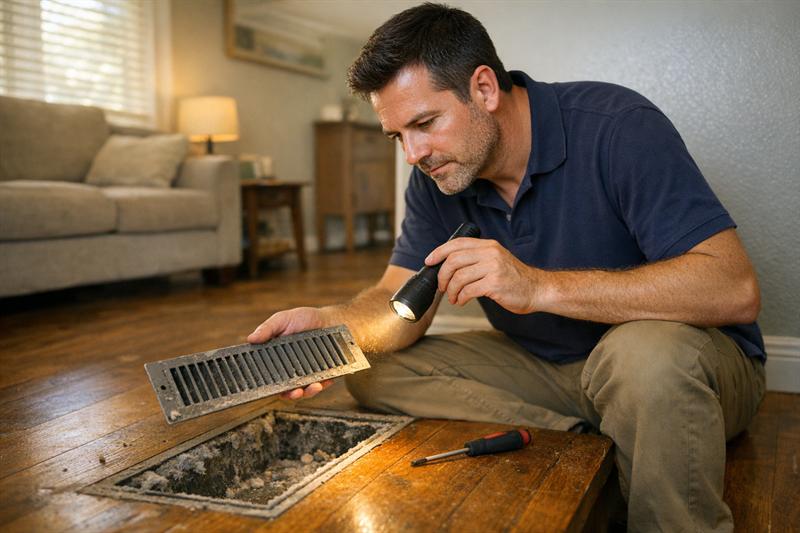
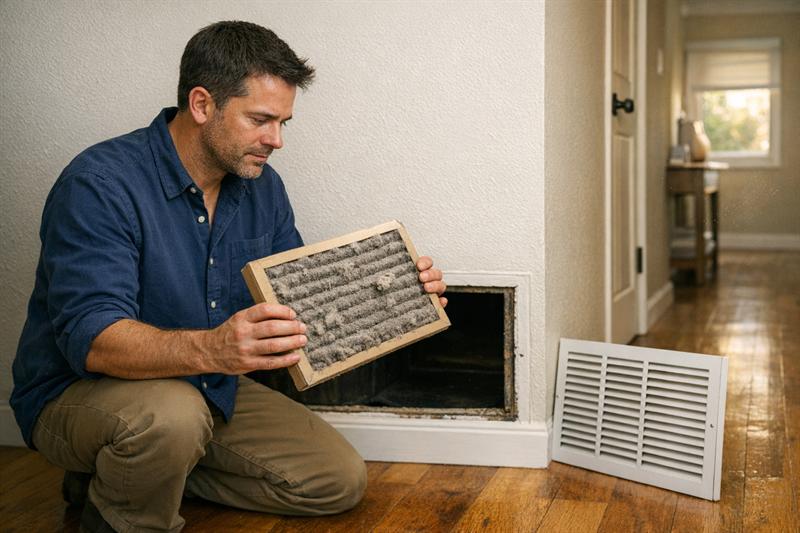
- Excess dust or stuffy indoor air
- HVAC system running longer than usual
When several of these signs show up together, airflow loss in the duct system is often worth investigating.
How Duct Leaks Impact Energy Efficiency
Duct leaks reduce how effectively your system delivers air. When part of that air is lost, the system has to run longer to reach the thermostat setting.
That is where energy waste builds up. The equipment continues working, but the results inside the home do not match the effort.
Increased Runtime and System Strain
When airflow is reduced, the system may stay on longer than it should. It keeps trying to reach the set temperature, even though some of that conditioned air never reaches the rooms.
Over time, that extra runtime can add wear to system components and contribute to ongoing performance issues.
Loss of Conditioned Air in Unused Spaces
Conditioned air loss happens when heated or cooled air escapes into attics, crawl spaces, or wall cavities instead of entering your living space.
This means energy is being used without improving comfort. The system works harder, but the results stay inconsistent.
The Hidden Comfort Problems Caused by Duct Issues
Comfort problems are often blamed on the HVAC unit, but ductwork is frequently part of the issue.
In many homes, the equipment is still operating, but airflow problems prevent it from delivering consistent results from room to room.
Hot and Cold Spots
Rooms farther from the system are often affected the most. As air moves through leaking ducts, less of it reaches those spaces.
This leads to temperature differences that usually do not improve with thermostat adjustments alone.
Humidity and Air Quality Effects
Leaky ducts can pull in air from attics or crawl spaces. That air may carry dust and other particles into the system.
Addressing duct issues can support better indoor air quality by helping keep airflow contained and properly filtered.
Where Duct Leaks Commonly Occur
Leaks often form in areas where ducts are under stress or were not sealed well during installation.
- Attics and crawl spaces exposed to extreme temperatures
- Connection points and seams where duct sections meet
These are common places for small issues to begin and gradually turn into larger airflow problems.
Attics and Crawl Spaces
Ducts in these spaces expand and contract with temperature changes. Over time, that movement can loosen connections and create gaps.
This is often more noticeable in older duct systems.
Connection Points and Seams
Every joint, bend, or transition is a potential weak point. If these areas are not sealed properly, they are often the first places where leaks develop.
A significant share of air loss can occur at these connection points.
How Professionals Identify and Fix Duct Leaks
Fixing duct leaks starts with identifying where airflow is being lost and how it is affecting the system.
Inspection and Airflow Testing
Technicians inspect visible ductwork and evaluate airflow to identify imbalances. This helps pinpoint where leaks may be affecting performance.
Not all leaks are visible, which is why testing is an important part of the process.
Duct Sealing and Repair Options
Once leaks are located, the affected areas can be sealed and reinforced. In some cases, damaged sections are replaced to restore proper airflow.
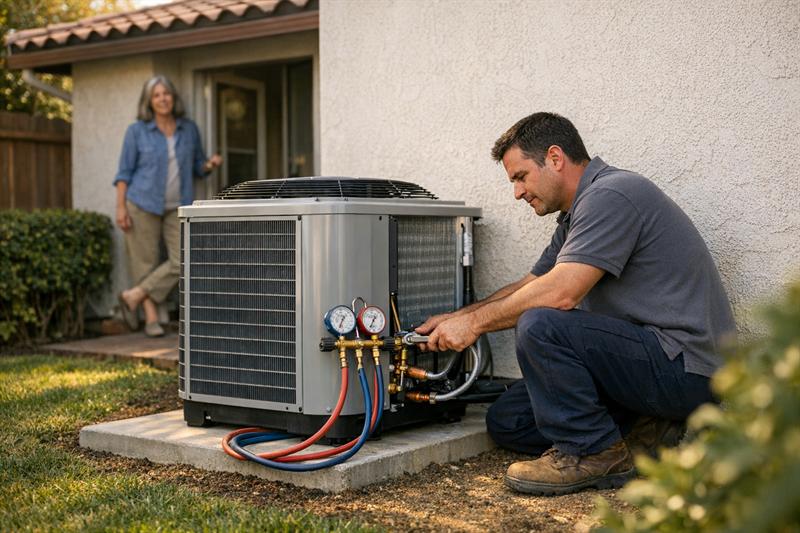
Professional air conditioning and furnace service and repair can help bring the system back to more balanced operation.
If your system is running longer but your home still feels uneven, the ductwork may be the missing piece.
- Rooms that never reach the set temperature
- Airflow that feels weak or inconsistent
- Energy bills rising without a clear reason
- System runtime increasing over time
These signs often point to air loss inside the system, and an inspection is the next step toward correcting it.
When to Consider Duct Repair or Maintenance
If these issues continue, they rarely improve on their own. Duct systems tend to decline gradually as materials age and connections loosen.
This is where routine service can help. Regular HVAC maintenance and repair may catch early-stage leaks before they affect performance more significantly.
Homes with older ductwork or ongoing comfort problems are good candidates for inspection and repair.
Conclusion
Duct leaks are a common source of energy loss and uneven comfort. The system may be running, but the air is not being delivered where it is needed.
If left unaddressed, this can lead to continued energy waste, added strain on the system, and persistent comfort issues. Over time, these problems often become more noticeable and more expensive to manage.
At Newman’s Heating and Cooling, ductwork is evaluated as part of the full system. Restoring proper airflow helps the system perform the way it was designed to.
If you are dealing with uneven temperatures or rising energy use, the next step is to have the system evaluated. Identifying and correcting duct leaks can make a meaningful difference in both comfort and efficiency.
Key Takeaways
- Duct leaks reduce system efficiency by allowing air to escape before it reaches your rooms
- They contribute to uneven temperatures and inconsistent comfort
- Higher energy bills are often linked to airflow loss in the duct system
- Leaks commonly form in attics, crawl spaces, and duct connections
- Inspection and repair help restore balanced airflow and system performance
Our Approach at Newman’s Heating and Cooling
Duct problems usually develop over time, which makes them easy to overlook at first. They often show up as comfort issues before the cause is clear.
The approach is to look at how air moves through the entire system. Airflow, distribution, and duct condition are evaluated together to identify where performance is breaking down.
This helps address the actual problem directly. In many cases, improving duct performance can lead to better comfort without replacing the main HVAC equipment.
FAQ Section
How much energy is lost through duct leaks?
The amount of energy lost depends on the size and location of the leaks. Leaks in attics or crawl spaces often result in more noticeable loss because the air does not reach the living areas. An inspection can help determine how much loss may be occurring.
What are the most common signs of duct leaks?
Common signs include uneven temperatures, weak airflow, and rising energy bills. These symptoms can point to air not reaching the intended rooms. Catching them early can help limit further efficiency loss.
Can duct leaks increase my energy bills?
Yes, duct leaks are often tied to higher energy use. The system runs longer to compensate for lost air, which can increase overall consumption. Sealing leaks helps reduce unnecessary runtime.
Are duct leaks dangerous or just inefficient?
Duct leaks are usually an efficiency and comfort issue, but they can also affect indoor air quality. Air pulled from attics or crawl spaces may carry dust into the system. Sealing ducts helps keep airflow cleaner and more controlled.
Should ductwork be repaired or replaced?
That depends on the condition of the duct system. Smaller leaks can often be sealed, while older or heavily damaged ducts may need replacement. An inspection helps determine the most practical approach.
How are duct leaks fixed?
Duct leaks are typically fixed by sealing gaps and strengthening connections. In some cases, sections are replaced to restore proper airflow. Professional repair helps the system operate more consistently.