Quick Answer: HVAC problems in older homes are often caused by outdated ductwork, poor airflow design, and aging systems that were never built for modern heating and cooling demands. These issues can lead to uneven temperatures, higher energy bills, and systems that run longer without delivering consistent comfort.
Many homeowners in older properties notice the same pattern: some rooms feel fine, others do not, and the system seems to run more than it should. At Newman’s Heating and Cooling, this comes up regularly in homes built before central HVAC systems were standard. The equipment itself is not always the main issue. In many cases, the way the home handles airflow and insulation plays a bigger role.
Why Older Homes Experience More HVAC Issues
Older homes were built with different expectations for heating and cooling. Many relied on standalone systems or natural airflow rather than centralized ductwork. When modern HVAC systems are added later, they often have to work around structural limitations the home was never designed for.
Outdated Design vs. Modern HVAC Demands
Retrofitted ductwork is one of the most common challenges. Ducts may be too small, routed inefficiently, or missing proper return paths. That creates resistance in the system, so air does not move evenly throughout the home.
How Age Affects System Efficiency
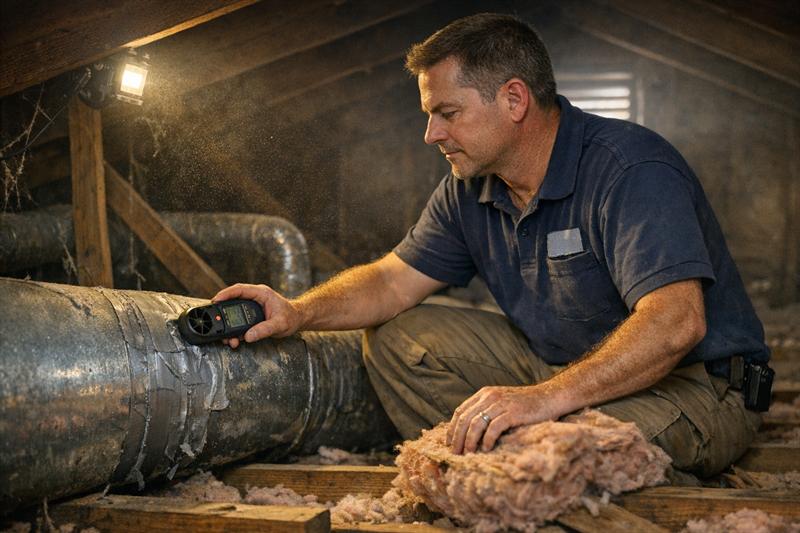
As homes age, materials naturally break down. Insulation becomes less effective, small gaps develop, and ducts may begin to leak. This gradual decline often goes unnoticed until comfort becomes inconsistent or energy use starts to rise.
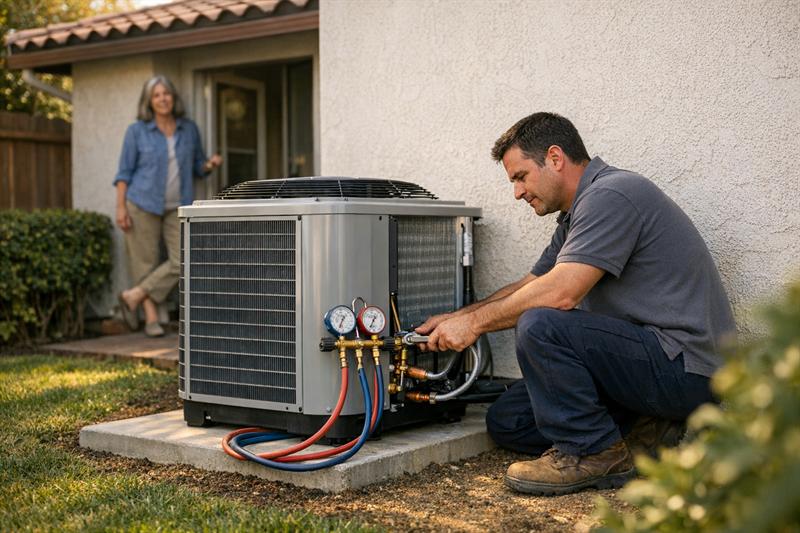
When airflow is part of the issue, targeted air conditioning and furnace service and repair can help pinpoint where performance is being lost.
Scenario 1: One Room Is Always Too Hot or Too Cold
If one room consistently feels different from the rest of the house, the issue is usually tied to airflow distribution rather than temperature control.
Likely Causes
- Duct runs that are too long or poorly routed
- Undersized or partially blocked vents
- Limited or missing return airflow
What This Usually Means
This points to an imbalance in how air is delivered and returned. The system may be producing enough conditioned air, but it is not reaching or circulating properly in that space.
Possible Fixes
- Adjusting or resizing vents
- Modifying sections of ductwork
- Adding zoning or improving return airflow
This is especially common in home additions or converted rooms. The original system often was not designed to support the extra space, so comfort becomes uneven.
Scenario 2: Weak Airflow Throughout the Home
When airflow feels weak in multiple rooms, the issue usually involves the duct system rather than the HVAC unit itself.
Ductwork Limitations in Older Homes
Older duct systems are frequently undersized or laid out inefficiently. Long runs and tight bends reduce air pressure, which limits how much air reaches each room.
Signs of Leakage or Blockage
- Noticeable dust buildup shortly after cleaning
- Some vents producing much less air than others
- Noises such as rattling or whistling from ducts
Repair vs. Redesign
Sealing leaks can improve performance, but it does not correct fundamental design issues. If ducts are too small or poorly configured, partial redesign is often the more effective solution.
If you are noticing several of these signs together, the issue may be more than a simple repair:
- Air barely moves from multiple vents
- Rooms take a long time to heat or cool
- Dust returns quickly after cleaning
- Your system runs longer but still feels ineffective
When several of these happen at once, airflow design is often the limiting factor. That is usually the point when a professional evaluation makes sense.
Scenario 3: High Energy Bills With No Clear Cause
Rising energy bills without a clear change in usage often point to system inefficiency.
Inefficiency From Aging Systems
As HVAC systems age, they tend to lose efficiency. They run longer to maintain the same temperature, which increases energy consumption.
Insulation and Air Loss
Older homes commonly allow conditioned air to escape through attics, walls, and small gaps around the structure. This forces the system to work harder to maintain indoor comfort.
When Replacement Becomes More Cost-Effective
If repair costs keep increasing and performance continues to decline, replacement may become the more practical long-term option. This is especially relevant when the system struggles in multiple areas at once.
A thorough inspection, including heating repair services, can help determine whether the problem is repairable or more closely tied to overall system age.
Scenario 4: HVAC System Runs Constantly
A system that runs continuously is usually trying to keep up with demand but cannot reach the desired temperature efficiently.
Undersized or Outdated Equipment
This often happens when the system is not properly matched to the home’s size or layout. It is especially common in homes that have been expanded without updating the HVAC system.
Thermostat and Control Issues
Thermostat placement or calibration can affect how long the system runs, but these issues are often part of a larger performance problem rather than the sole cause.
What to Check First
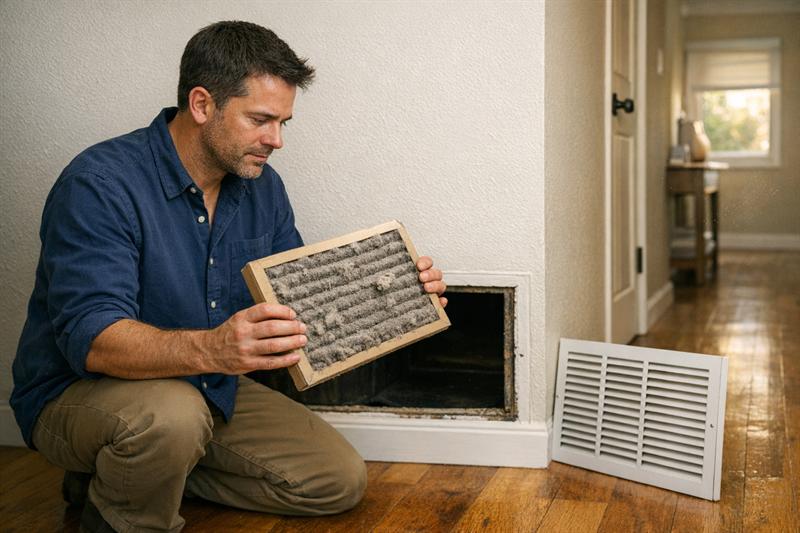
- Air filter condition
- Consistency of airflow from vents
- Basic system operation
If the system runs continuously and still struggles to maintain temperature, the problem usually involves system capacity, airflow limitations, or both.
Scenario 5: Dust, Allergies, or Poor Indoor Air Quality
Air quality concerns in older homes are often linked to how air moves through the HVAC system.
Old Duct Contamination
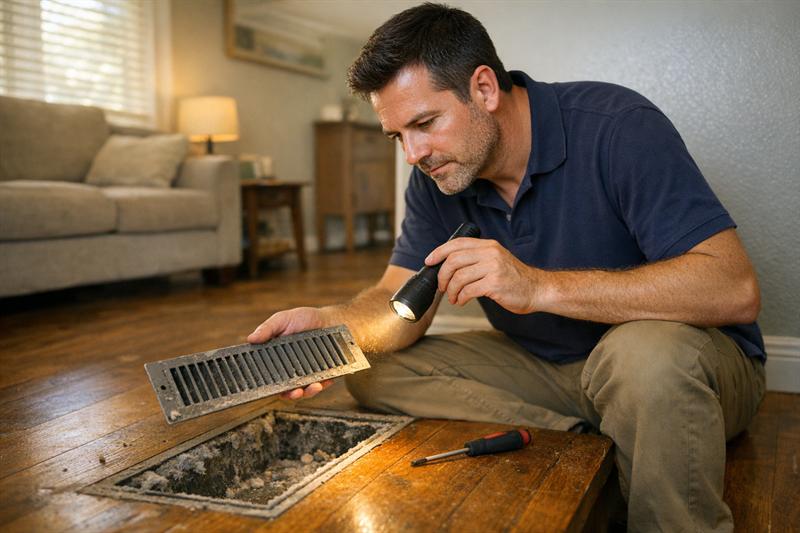
Ducts can accumulate dust and debris over time. Small leaks may also allow additional particles to enter and circulate through the home.
Ventilation Limitations
Older homes may not have consistent ventilation. Air can become stagnant in some areas while others experience drafts.
Air Quality Improvements
- Upgrading filtration systems
- Sealing duct leaks
- Improving overall ventilation
Addressing these issues often starts with the HVAC system. Solutions such as indoor air quality improvements can help reduce circulating dust and improve airflow consistency.
How to Fix HVAC Problems in Older Homes
Fixing these issues usually means looking at how the system and the home work together, not just the equipment alone.
Targeted Repairs
- Sealing duct leaks
- Adjusting airflow at vents
- Addressing minor system issues
System Upgrades and Retrofits
- Adding return vents to improve circulation
- Reworking sections of ductwork
- Updating components that support better airflow
When a Full System Replacement Makes Sense
If the system is outdated and struggling across multiple areas, replacement may provide more consistent results. It can also reduce the need for repeated repairs.
When to Call a Professional HVAC Technician
Some problems cannot be solved with basic adjustments. When issues persist or multiple symptoms appear at once, a full system evaluation is usually the next step.
A common pattern is uneven temperatures combined with rising energy costs and longer run times. When these happen together, the system and the home may no longer be working efficiently as a whole.
Key Takeaways
- Older homes often have structural limitations that affect HVAC performance
- Airflow issues are a frequent cause of comfort problems
- Ductwork plays a major role in overall system effectiveness
- Ignoring these issues can lead to higher operating costs over time
- Addressing the root cause is usually more effective than repeated short-term fixes
Conclusion
HVAC problems in older homes usually come from a combination of outdated design, aging materials, and systems that are no longer aligned with the home’s needs. Left unaddressed, these issues can lead to higher costs, uneven comfort, and added strain on the system.
At Newman’s Heating and Cooling, these patterns come up regularly. What starts as a minor imbalance can turn into a larger performance issue when the root cause is not addressed.
If your system is running longer than expected, struggling to maintain temperature, or creating uneven comfort from room to room, it may be time to take a closer look. Newman’s Heating and Cooling can evaluate how your system and home are working together and recommend a practical next step.
FAQ
What are the most common HVAC problems in older homes?
The most common problems are poor airflow, uneven temperatures, and reduced system efficiency. These issues are often connected to ductwork limitations and aging components. When several appear together, a full evaluation is often the best next step.
Why is airflow poor in older houses?
Airflow is often restricted by undersized or poorly designed duct systems. Many older homes were retrofitted, which can limit how effectively air moves. Improving airflow may require duct adjustments or partial redesign.
Should you replace HVAC in an older home or repair it?
If the issues are isolated, repairs are often the first step. If problems are widespread and recurring, replacement may provide more consistent performance. A professional inspection can help clarify the better option.
Why does one room stay hotter or colder than the rest?
This is usually caused by uneven airflow due to duct layout, vent sizing, or missing return paths. In other words, the system is not distributing air evenly. Adjustments or duct improvements are often needed.
How can you improve indoor air quality in an older home?
Improving air quality often involves sealing ducts, upgrading filters, and improving ventilation. These steps can help reduce dust and improve airflow throughout the home.
Is it harder to install modern HVAC systems in older homes?
Installation can be more complex because older homes were not designed for modern systems. Structural limitations may require adjustments to support proper airflow and overall performance.