Quick Answer: An HVAC maintenance checklist works best when it is organized by season, with simple monthly checks and timely professional service to help reduce the risk of breakdowns. Many system problems start with restricted airflow or missed maintenance and build over time.
At Newman’s Heating and Cooling, that pattern is familiar. Most systems do not stop working without warning. They usually lose efficiency first, then comfort, and eventually reliability.
This guide explains what to do, when to do it, and where problems commonly begin so they can be addressed early.
Why Regular HVAC Maintenance Matters
HVAC systems depend on steady airflow and clean components. When either is disrupted, performance drops.
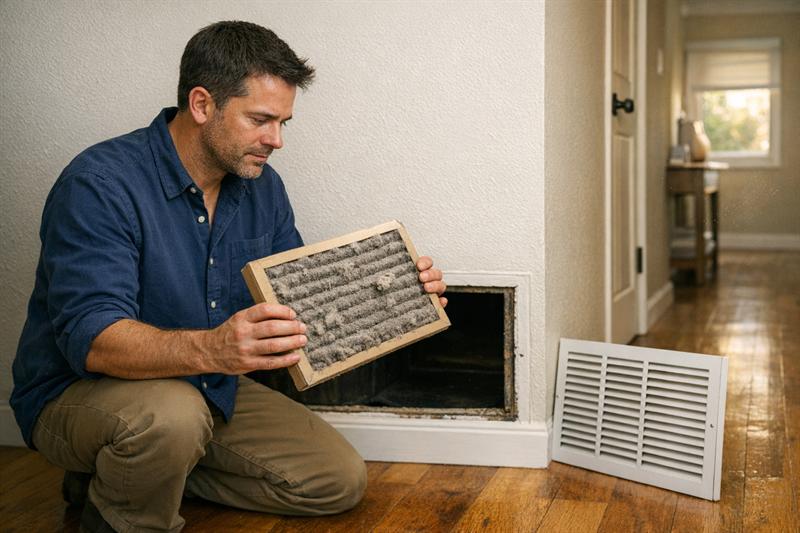
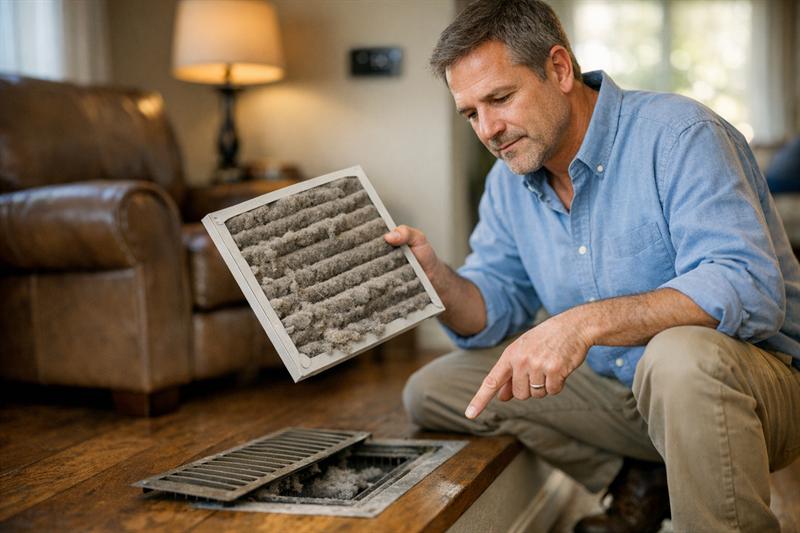
A common starting point is a clogged air filter. Air cannot move freely, so the system runs longer to reach the same temperature. That added strain can affect internal components and increase energy use.
- Dirty filters restrict airflow and increase system load
- Blocked vents disrupt air distribution across rooms
- Neglected components tend to wear faster under strain
Over time, these issues can lead to higher utility costs and a shorter system lifespan. They can also affect indoor air conditions as dust and debris circulate through the home. For more on this, see indoor air quality solutions.
HVAC Maintenance Checklist by Season
HVAC systems shift roles throughout the year. Cooling demand rises in summer, while heating demand increases in winter. Maintenance should follow that cycle to help keep performance steady.
Spring HVAC Maintenance Checklist
- Replace or clean air filters
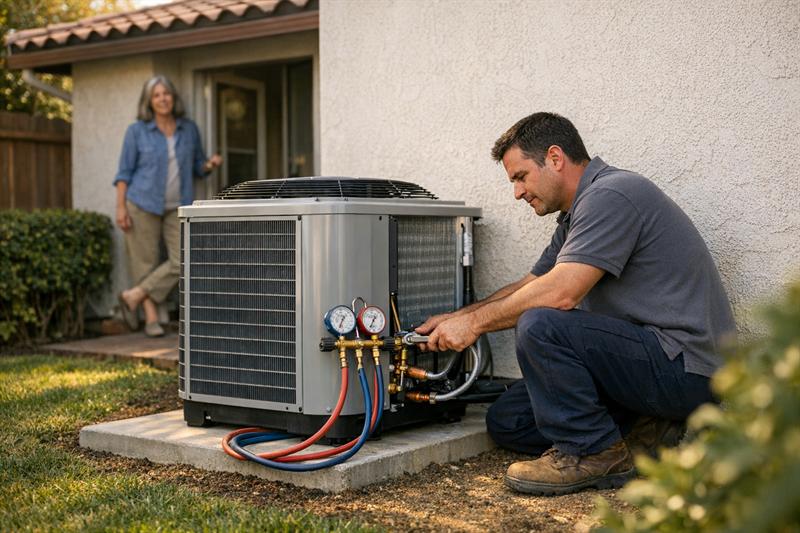
- Remove debris from the outdoor condenser unit
- Set the thermostat to cooling mode and verify operation
- Check refrigerant lines for visible wear or damage
- Maintain clear space around the outdoor unit
This is when many cooling problems start to show up. Debris around the outdoor unit can restrict airflow and reduce heat transfer, causing the system to run longer and work harder.
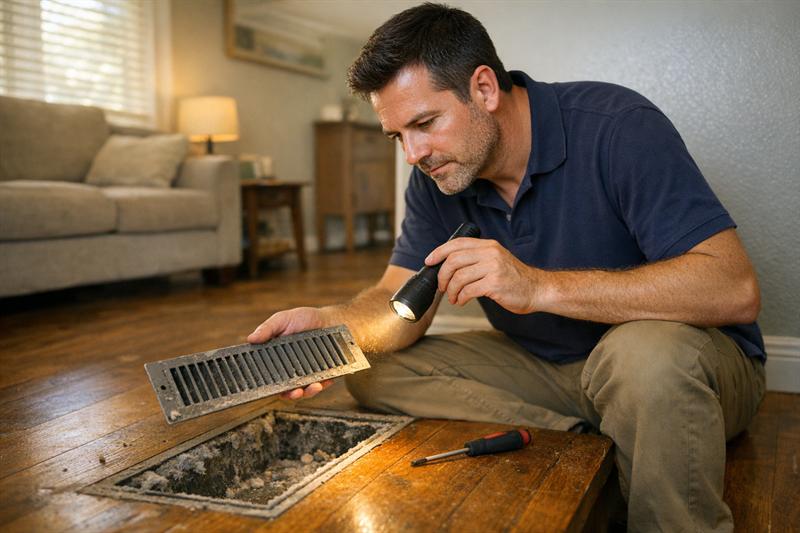
Indoor buildup can contribute as well. Dust in ductwork may limit airflow and spread through the home, often without obvious signs at first. You can learn more about duct system conditions.
Summer HVAC Maintenance Checklist
- Track cooling performance during peak heat
- Check airflow at vents in each room
- Keep the outdoor unit clear of grass and debris
- Listen for new noises or irregular cycling
Summer puts existing weaknesses under pressure. Systems that struggled in spring tend to show clearer symptoms during long cooling cycles.
Weak airflow or short cycling can signal that the system is working harder than it should. If ignored, those issues can increase the chance of a shutdown during extended operation.
Fall HVAC Maintenance Checklist
- Test the heating system before cold weather arrives
- Replace air filters
- Confirm thermostat accuracy
- Check vents for consistent airflow
- Schedule a professional inspection if performance seems off
Fall is a smart time to catch heating issues. Waiting until temperatures drop can limit scheduling options and make repairs more urgent.
A system that has been idle for months may not perform as expected when restarted. In some cases, that leads to the need for heating repair service during colder weather.
Winter HVAC Maintenance Checklist
- Monitor heating consistency throughout the home
- Check for uneven temperatures between rooms
- Keep vents open and unobstructed
- Pay attention to unusual smells or behavior
Heating systems often run for longer cycles in winter, which makes smaller issues easier to notice.
Uneven heating often points to airflow imbalance or reduced system efficiency. If ignored, the system may continue to compensate, increasing wear over time.
Monthly HVAC Maintenance Tasks Homeowners Shouldn’t Skip
- Inspect and replace air filters as needed
- Check vents for obstructions
- Listen for changes in system operation
- Watch for unexpected increases in energy use
These checks are simple but effective. Many service problems begin with overlooked basics such as airflow restriction or delayed filter changes.
What Homeowners Can Do vs. When to Call a Professional
Homeowners can handle:
- Air filter replacement
- Thermostat adjustments
- Clearing debris around equipment
Professional service is needed for:
- Refrigerant-related work
- Electrical diagnostics
- Internal system inspection and repair
This is where small issues can turn into larger ones. Attempting internal repairs without the right tools or training can create additional problems.
Systems that operate year-round, such as heat pumps, benefit from consistent professional service. Learn more about heat pump installation and service.
Signs Your HVAC System Needs Immediate Attention
- Weak or inconsistent airflow
- New or unusual noises
- Frequent on-and-off cycling
- Unexplained increases in energy bills
- Uneven temperatures between rooms
These symptoms can indicate that the system is no longer operating as it should.
Weak airflow is often an early sign. It may trace back to blockage, buildup, or internal wear. If left alone, the system continues to strain and performance can decline further.
If you are noticing any of the following, it may be time to schedule service:
- The system struggles to maintain the set temperature
- You hear unfamiliar or persistent noises
- Airflow feels noticeably reduced
- Energy costs are rising without a clear reason
These are common signs of underlying issues that usually need closer inspection. Delaying service can lead to more involved repairs.
How Preventative Maintenance Connects to Indoor Air Quality
Air quality and HVAC performance are closely connected. The same airflow that controls temperature also carries airborne particles.
When filters are not replaced or ducts are not maintained, dust and debris can build up inside the system. That buildup may then circulate through the home.
Maintaining clean airflow paths helps limit that cycle. More targeted solutions are available through indoor air quality services.
Conclusion
HVAC systems rarely fail without warning. The process usually starts with reduced airflow, missed maintenance, and gradual performance decline.
When these issues are ignored, they can lead to higher operating costs, uneven comfort, and a greater risk of breakdown during peak use.
At Newman’s Heating and Cooling, this progression is seen regularly. Systems that receive consistent maintenance tend to run more efficiently and experience fewer unexpected issues.
If your system is showing signs of strain or has not been serviced recently, the next step is straightforward. A professional inspection can help identify early problems and restore proper operation before they develop further.
Key Takeaways
- HVAC maintenance should be consistent throughout the year
- Seasonal checklists help keep systems aligned with changing demand
- Airflow issues are a common starting point for larger problems
- Professional service is important for internal system work
How Newman’s Heating and Cooling Approaches HVAC Maintenance
At Newman’s Heating and Cooling, maintenance is approached as a practical way to support system performance over time.
The focus is on identifying airflow restrictions, correcting early inefficiencies, and preparing systems before seasonal demand increases. Those are common points where problems begin.
Addressing issues early helps homeowners avoid the cycle of waiting until the system fails. Preventative service can make a noticeable difference in long-term performance.
FAQ
How often should HVAC maintenance be done?
HVAC maintenance should be done seasonally, with additional monthly checks. Systems operate differently throughout the year, so routine inspections and filter changes help support consistent performance. If maintenance has been delayed, scheduling service can help identify developing issues.
What happens if HVAC maintenance is skipped?
Skipping maintenance can lead to reduced efficiency and increased system strain. Airflow becomes restricted, components work harder, and performance declines. Over time, this raises the likelihood of system trouble and avoidable repairs.
Can homeowners perform HVAC maintenance themselves?
Homeowners can manage basic tasks such as filter replacement and clearing debris. Internal system work, including electrical or refrigerant issues, should be handled by a professional. Attempting those repairs without proper training can create further problems.
How much does HVAC maintenance typically cost?
Costs vary depending on system type and service scope. Routine maintenance is generally more manageable than repair costs caused by neglect. Regular service can also help reduce the chance of larger expenses later.
What is included in a professional HVAC tune-up?
A professional tune-up typically includes system inspection, cleaning, and performance checks. Key components and airflow are reviewed to help confirm proper operation. Scheduling service before peak seasons can help maintain reliability.
Does HVAC maintenance improve energy efficiency?
Yes, proper maintenance supports efficient operation. Clean filters and unobstructed airflow allow the system to run with less strain, which helps maintain steadier energy use over time.