Quick Answer: The best choice depends on how your home heats and cools, but Sacramento’s mild winters and long cooling season often make heat pumps a strong option. Furnaces can still be the better fit for larger homes, homes with greater heat loss, or situations where higher heat output is preferred.
Introduction
Most homeowners start comparing heat pumps and furnaces when something is already not working as well as it should. The system may be aging, repairs may be becoming more frequent, or energy bills may be climbing without a clear reason.
That is where the decision can get confusing. Advice online is often inconsistent, and what makes sense in colder climates does not always apply in Sacramento. At Newman’s Heating and Cooling, the right choice usually comes down to how the home holds and distributes heat, not just the equipment itself.
Understanding the Difference Between Heat Pumps and Furnaces
The main difference is simple: a heat pump moves heat, while a furnace creates it. That difference affects efficiency, operating cost, and how each system performs in day-to-day use.
How a Heat Pump Works
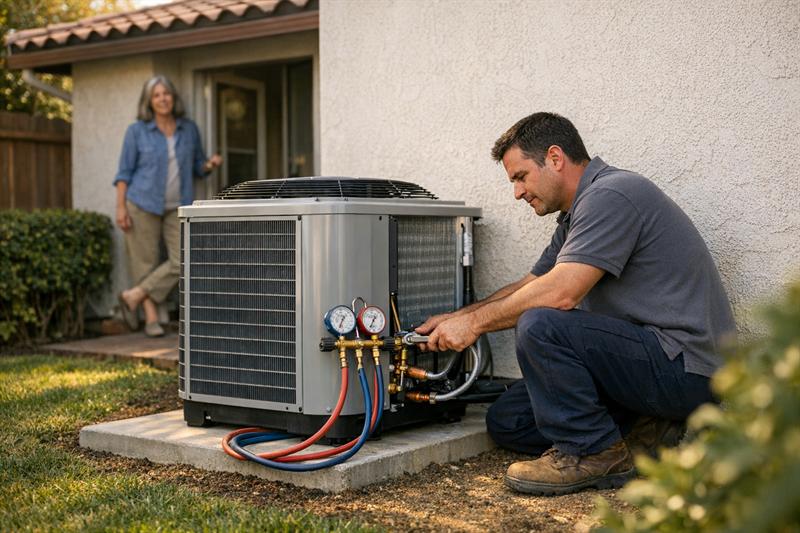
A heat pump transfers heat from the outside air into your home. In warmer months, it reverses direction and removes heat from indoors, allowing it to handle both heating and cooling.
That dual function is one reason many Sacramento homeowners consider it. In some homes, a single heat pump can replace separate heating and cooling equipment, which may reduce the number of components that need service over time.
How a Furnace Works
A furnace creates heat by burning fuel or using electricity, then distributes that heat through the home.
This usually provides fast, steady warmth, which is one reason furnaces remain common in larger homes and homes with higher heating demand. Operating costs, however, can be higher depending on how often the system runs and the home’s overall efficiency.
Key Differences That Matter for Homeowners
Energy Efficiency
Heat pumps are generally more efficient in moderate climates because they move heat instead of generating it. Furnaces, especially gas furnaces, lose some energy during the combustion process.
Efficiency also depends on system sizing and airflow. A furnace that is too large or cycles too often can use more energy than necessary without improving comfort.
Installation Costs
Heat pumps can require a higher upfront investment, especially when replacing older equipment or updating part of the system to support the change. Furnaces are often simpler to install when gas lines and compatible ductwork are already in place.
Upfront price is only one part of the decision. A lower installation cost may not translate to lower overall cost if the system is not a good fit for the home.
Monthly Operating Costs
In Sacramento, heat pumps are often less expensive to run because the climate is moderate and they use electricity efficiently for both heating and cooling.
The difference is often more noticeable in homes that do not need high heat output for long stretches. In those cases, a furnace may use more energy without delivering a clear comfort advantage.
Lifespan and Maintenance
Both systems can last many years with proper maintenance. Heat pumps run year-round, while furnaces typically operate only during the heating season but include burners and other components that need regular attention.
When maintenance is skipped, efficiency and reliability usually decline first. Over time, that can lead to more service calls and shorter equipment life.
How Sacramento’s Climate Changes the Decision
Sacramento’s climate often makes heat pumps a practical option. Winters are relatively mild, and cooling demand is significant, so a system that handles both functions can make sense for many homes.
Many homeowners upgrading their system find that heat pump installation options align well with how their home is used throughout the year.
Mild Winters and Heat Pump Performance
Heat pumps tend to perform efficiently in the moderate temperatures common in Sacramento.
That often reduces the need for a high-output heating system. In these conditions, a furnace may cycle more than necessary in some homes, which can contribute to higher energy use and added wear over time.
When a Furnace Still Makes Sense
Furnaces remain a good option for certain homes. Larger homes, older properties, or homes that lose heat quickly may benefit from stronger heating output.
Insulation, window quality, and ductwork condition all affect that decision. If the home has significant heat loss or airflow issues, a furnace may provide more consistent heating performance.
Pros and Cons of Each System
Heat Pump Advantages and Limitations
- High efficiency in moderate climates
- Provides both heating and cooling in one system
- Lower operating costs in many situations
- Higher upfront installation cost in some projects
- May be less efficient during colder weather than in mild conditions
Furnace Advantages and Limitations
- Strong, fast heating output
- Lower initial installation cost in many cases
- Can have higher ongoing energy costs depending on usage
- Requires a separate cooling system
What About Dual Fuel Systems?
A dual fuel system combines a heat pump with a furnace and switches between them based on outdoor conditions.
This setup allows each system to run when it is most effective. For some homes, that balance can provide better comfort and more controlled energy use than relying on one system alone.
When Combining Both Systems Is Ideal
Homes with changing heating demands, larger square footage, or homeowners who want more flexibility in how their system operates may benefit from a dual fuel setup.
When properly matched to the home, this approach can help maintain consistent comfort across seasons.
How to Choose the Right System for Your Home
The right system depends on how the home performs, not just on the equipment itself. That is where many replacement decisions go off track.
Homeowners considering a full heating system replacement often get better long-term results by evaluating the home first.
Home Size and Layout
Larger homes or homes with more complex layouts may need stronger or more evenly distributed heating.
If airflow is uneven, hot and cold spots can remain even with new equipment. In those cases, duct or airflow adjustments may matter just as much as the system choice.
Existing Ductwork
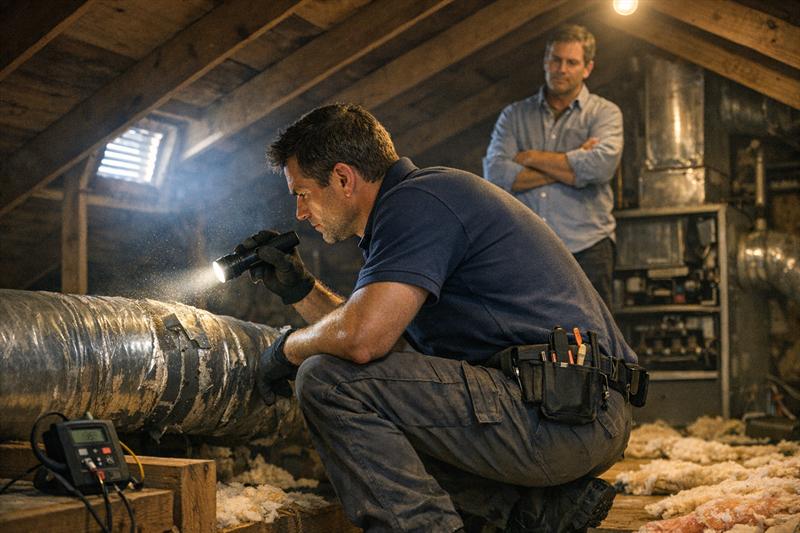
Ductwork condition plays a major role in system performance. Leaks, poor design, or aging materials can reduce efficiency regardless of what type of system is installed.
Even new equipment can underperform if the ductwork is not supporting proper airflow.
Budget and Long-Term Costs
Upfront cost is only part of the decision. Long-term operating costs, maintenance needs, and how well the system matches the home often have a greater impact over time.
Choosing the least expensive option first can lead to higher monthly costs or more frequent problems later if the system is not the right fit.
When It’s Time to Replace Your Heating System
An aging or unreliable system rarely becomes less problematic over time. Delaying replacement can lead to more noticeable comfort and efficiency issues.
Common signs include:
- Frequent repairs
- Uneven heating throughout the home
- Rising energy bills
- A system nearing or past its expected service life
At that stage, many homeowners explore heating replacement options, including furnaces and heat pumps, based on their home’s needs.
If you are noticing any of the following, it may be time to look at replacement:
- The system runs constantly but struggles to maintain temperature
- Energy bills continue rising without a clear reason
- Rooms feel uneven or uncomfortable
- Repairs are becoming more frequent
These are common signs that the system is no longer operating as efficiently or reliably as it should.
Conclusion
The real decision is not simply heat pump vs. furnace. It is whether the system matches how your home actually heats and cools.
When the system is not well matched, comfort can decline, energy use can increase, and the same problems can continue year after year.
At Newman’s Heating and Cooling, the focus is on evaluating the home first and then recommending equipment that fits how it performs. That helps homeowners avoid choosing a system based only on price or broad online advice.
If your current system is no longer performing the way it should, a proper evaluation can help determine the most practical long-term solution.
Key Takeaways
- Heat pumps are often a strong fit for Sacramento’s moderate climate
- Furnaces are often better suited for homes that need higher heating output
- Dual fuel systems can offer a balanced, flexible solution
- The structure and condition of the home play a major role in the decision
FAQ
Is a heat pump better than a furnace in California?
In many cases, yes. Sacramento’s mild winters allow heat pumps to operate efficiently while also providing cooling. The better choice depends on the home, the ductwork, and the heating demand.
Do heat pumps work well in Sacramento winters?
Yes. Sacramento’s moderate winter temperatures generally support efficient heat pump performance. Proper sizing and installation are important for consistent comfort.
Which is cheaper to run: heat pump or furnace?
In moderate climates, heat pumps are often less expensive to run. Actual operating cost depends on energy rates, system efficiency, and how the home holds heat.
Can you replace a furnace with a heat pump?
Yes. Many homes can switch from a furnace to a heat pump, especially if the existing ductwork is in good condition and compatible with the new system.
How long do heat pumps and furnaces last?
Both can last many years with proper maintenance. Service life varies based on usage, installation quality, and how well the system is maintained.
What is the downside of a heat pump?
Heat pumps can cost more upfront and may deliver heat differently than a furnace, which some homeowners notice during colder weather. In Sacramento, those limitations are often less significant than they are in colder climates.