Quick Answer: The HVAC installation process usually includes removing the old system, checking and adjusting ductwork as needed, installing the new equipment, and testing everything before the job is complete. Many installations can be finished the same day, but long-term performance depends heavily on proper sizing, airflow, and setup.
Why Understanding the HVAC Installation Process Matters
An HVAC system is a major home investment, and the quality of the installation has a direct impact on how it performs over time. Most homeowners are not just concerned about the equipment itself. They also want to know what will happen in their home and whether the job will be handled correctly.
It is not uncommon for a system to be replaced while comfort problems remain. Rooms may still feel uneven, energy use may stay higher than expected, and the system may run longer than it should. In many cases, those issues are tied to installation details that were missed or rushed.
Working with an experienced provider like Newman’s Heating and Cooling can help make sure each step is handled carefully from the start.
Before Installation Day: Planning and Preparation
System Sizing and Home Evaluation
The process starts before installation day. Proper system sizing is one of the most important steps. A system that is too large or too small may not run as intended and can struggle to maintain steady temperatures.
When this step is rushed, the system may cycle too often or may not run long enough to condition the air effectively. That can lead to uneven comfort and unnecessary wear on the equipment.
Permits and Scheduling
Many HVAC installations require permits so the work can meet local safety and building requirements. This step helps protect the homeowner and supports a smoother inspection process if one is required.
Scheduling also matters. During peak heating and cooling seasons, installation calendars can fill quickly. Delays are more common when a system has already failed and replacement is needed right away.
How to Prepare Your Home
- Clear space around indoor and outdoor equipment
- Make sure technicians can move freely between work areas
- Secure pets and remove fragile items nearby
- Plan for regular movement in and out of the home
Preparation helps the installation move more efficiently. Tight access or cluttered work areas can slow the process and create avoidable complications.
Step-by-Step: What Happens During HVAC Installation
Removal of the Old System
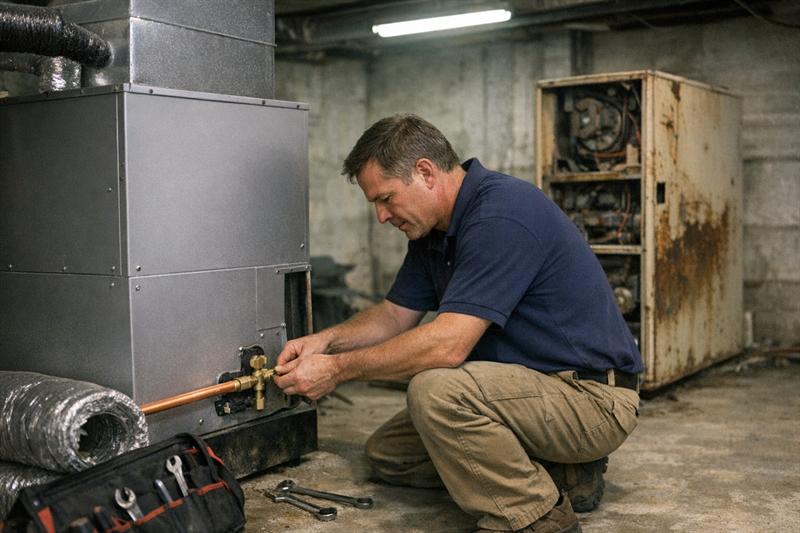
The installation begins with safely disconnecting and removing the old system. This includes shutting off power, recovering refrigerant properly, and removing components without damaging surrounding areas.
This step often takes a few hours. If removal is handled carelessly, it can create problems that affect how the new system is installed.
Ductwork Inspection and Adjustments
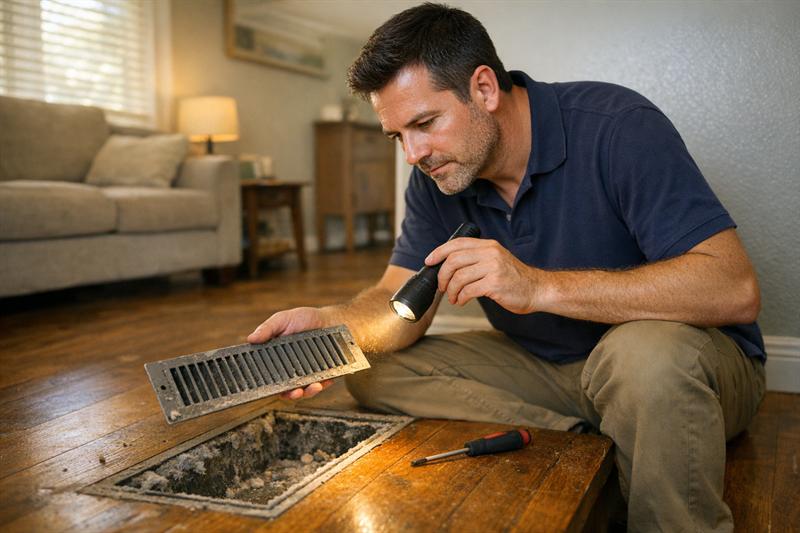
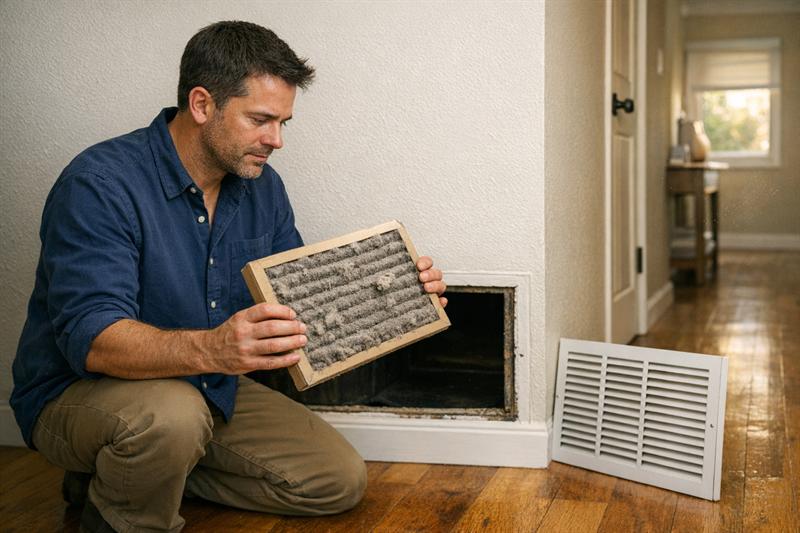
Ductwork plays a major role in how air moves through the home. Even a new system can struggle if the ducts are leaking, undersized, or poorly arranged.
One of the most common problems after a replacement is unchanged airflow issues because the duct system was never addressed. That can leave some rooms warmer or cooler than the rest of the home.
If ductwork needs improvement, installation day is often the right time to address it. Skipping that step can limit how well the new system performs.
Installing the New Indoor and Outdoor Units
The new system is then installed, including the indoor equipment and the outdoor condenser. Placement is not only about fitting the equipment into place. It also affects airflow, service access, and long-term performance.
When placement is treated as an afterthought, efficiency and overall operation can suffer. Small setup decisions can have lasting effects.
Electrical and Refrigerant Connections
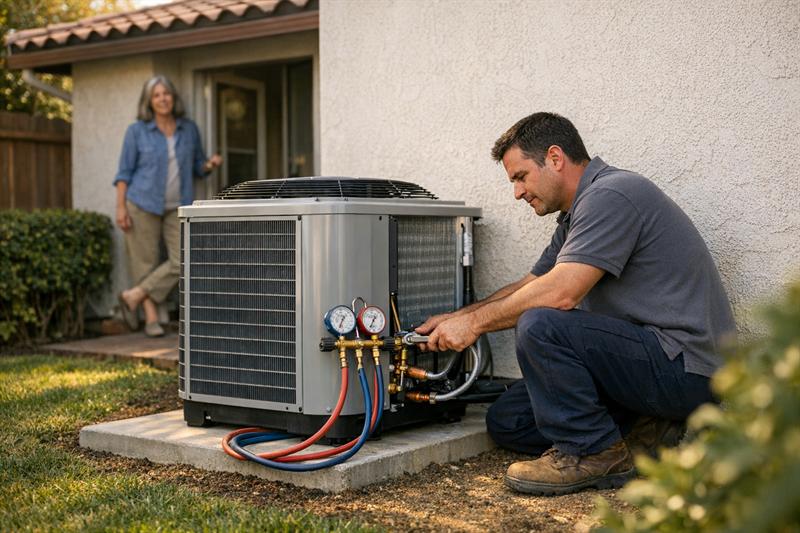
Electrical wiring and refrigerant lines are connected and checked to support proper system operation.
Small setup errors at this stage can lead to larger performance issues later. Careful installation helps reduce unnecessary strain on the system.
Thermostat Setup and System Integration
The thermostat is installed or connected to the new system and set up so the equipment responds correctly to temperature settings.
If this part of the job is incomplete or rushed, the system may not perform as expected even when the equipment itself is in good condition.
How Long Does HVAC Installation Take?
Most HVAC installations are completed within a single day. Straightforward replacements without major ductwork changes are often finished in several hours.
- Simple replacement: often completed the same day
- Ductwork adjustments: may extend into a second day
- More complex setups: can take longer depending on the home
Additional work can change the timeline quickly. Allowing enough time for proper setup is important, especially when ductwork, electrical updates, or access issues are involved.
What Homeowners Often Don’t Expect (But Should)
- Installation can be noisy for part of the day
- Technicians will move in and out of the home frequently
- Your heating or cooling will be temporarily unavailable
- Small adjustments may be needed as the work progresses
Knowing what to expect helps reduce frustration. These are normal parts of the process, not signs that something is going wrong.
If You’re Seeing These Signs, Installation Quality Matters
If you are preparing for a new system, these signs can point to underlying issues that should be reviewed during installation:
- Your system struggles to maintain consistent temperatures
- Some rooms feel noticeably different from others
- Your energy bills have been increasing
- The system runs longer than expected or cycles frequently
These patterns are often related to sizing or airflow problems. If they are not addressed during installation, they can carry over into the new system.
After Installation: Testing, Walkthrough, and Next Steps
System Testing and Calibration
After installation, the system is tested to confirm airflow, temperature response, and overall operation. This step helps verify that everything is working as intended.
If testing is limited, smaller issues can be missed and show up later as comfort or performance concerns.
Final Walkthrough with the Homeowner
The technician should walk through the system with the homeowner, explain how it operates, and review key settings. This helps the homeowner start using the system with confidence.
This is also the right time to raise any questions. Small concerns are usually easier to address before the job is fully wrapped up.
Ongoing Maintenance and Care
- Replace filters on a regular schedule
- Plan routine maintenance visits
- Pay attention to changes in system performance
Ongoing care helps protect the installation and support efficient operation over time. Without regular maintenance, performance can decline and smaller issues may grow.
Some homeowners also explore indoor air quality solutions to improve overall comfort alongside routine system care.
Common Questions About HVAC Installation
Installation costs vary based on system size, home layout, and any additional work involved. Most homeowners remain in the home during installation, although heating or cooling will be temporarily interrupted.
Many installations are completed in one day, while more involved projects take longer. Problems are more likely when important steps are skipped or rushed.
Conclusion
The HVAC installation process plays a major role in how well your system performs after it is installed. When important steps are overlooked, the same comfort and efficiency problems can continue even with new equipment.
That is why careful installation matters. Sizing, airflow, and setup all need close attention to help avoid ongoing performance issues.
Newman’s Heating and Cooling focuses on getting those details right from the start. For homeowners in Sacramento, Natomas, and Roseville, the next step is to schedule an evaluation and plan the installation with confidence.
Key Takeaways
- The HVAC installation process follows a structured sequence from removal to testing
- Many installations are completed in one day, depending on complexity
- Sizing and ductwork are common sources of ongoing performance issues
- Installation quality directly affects comfort, efficiency, and reliability
Frequently Asked Questions
How long does the HVAC installation process take?
Most installations are completed within one day. More complex projects can take longer when ductwork or system adjustments are needed. An on-site evaluation helps set clearer expectations for your home.
What should I do before HVAC installers arrive?
Clear access to work areas, secure pets, and remove obstacles near the equipment. This helps the installation move efficiently and reduces the chance of delays.
Will my home be without heating or cooling during installation?
Yes, your system will be temporarily unavailable during the installation. This usually lasts several hours while the old equipment is removed and the new system is set up.
Do HVAC installations require permits?
Many installations require permits to meet local code requirements. A qualified contractor will typically handle that as part of the process.
How do I know if my HVAC system was installed correctly?
A properly installed system should heat or cool consistently, respond correctly to thermostat settings, and operate smoothly. Final testing and a walkthrough help confirm the setup before the job is finished.
Can HVAC installation be completed in one day?
Yes, many standard installations are completed in a single day. More complex situations may require additional time depending on the home and the work involved.