Quick Answer: Many HVAC problems in Sacramento come down to timing, not just lack of maintenance. A seasonal HVAC maintenance checklist that accounts for extreme summer heat and changing air quality can help reduce the risk of breakdowns, rising energy costs, and uneven performance.
When temperatures spike in Sacramento, HVAC systems do not always ramp up gradually. They often shift from light use to heavy demand quickly. That is when hidden issues tend to show up. Systems that seemed fine in spring may start running longer, cooling unevenly, or struggling to keep up.
A season-by-season approach helps keep those issues from building. Without it, small problems often surface right when the system is under the most pressure.
Why HVAC Maintenance Matters in Sacramento’s Climate
Sacramento’s climate creates a specific kind of strain on HVAC systems. Long, hot summers require extended cooling, while dust and wildfire smoke can clog filters faster than many homeowners expect.
As filters collect debris, airflow can gradually drop and the system may run longer to maintain the same temperature. That can lead to higher energy use and less consistent cooling.
Winters bring a different pattern. Heating systems may sit idle for months, then turn on suddenly when temperatures drop. When that happens, components can stick, airflow may be restricted, and performance can feel uneven right away.
Maintenance works best when it follows these seasonal patterns. That is why many homeowners schedule professional HVAC maintenance services before peak demand begins.
How Often Should HVAC Systems Be Serviced?
Most HVAC systems are serviced twice per year, once in spring and once in fall. This helps prepare the system before heavy cooling or heating use begins.
In Sacramento, timing matters as much as frequency. Waiting until the first heat wave often means the system is already under stress. Delayed maintenance can also make early-season performance issues more likely.
When maintenance is skipped, efficiency often drops first. The system runs longer to reach the same temperature, and wear on components increases. Over time, that can lead to more noticeable performance issues and repair needs.
Spring HVAC Maintenance Checklist (Pre-Cooling Season)
Essential DIY Tasks
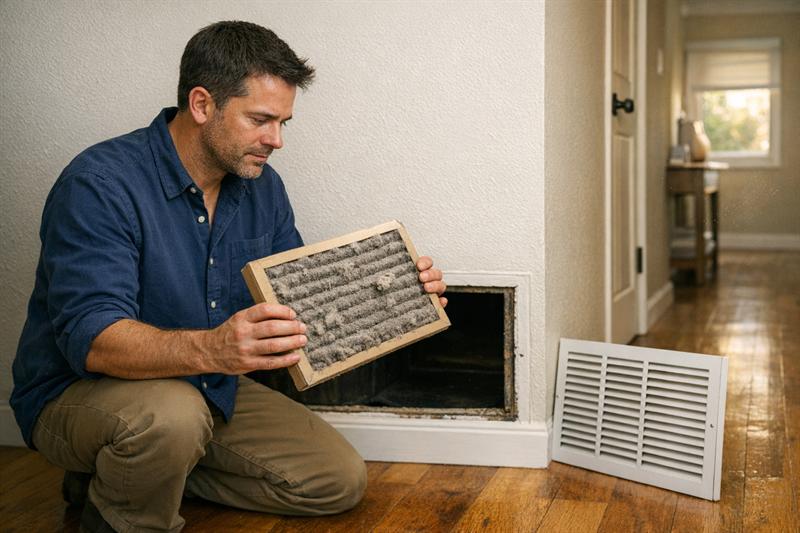
- Replace or clean air filters to help keep airflow steady
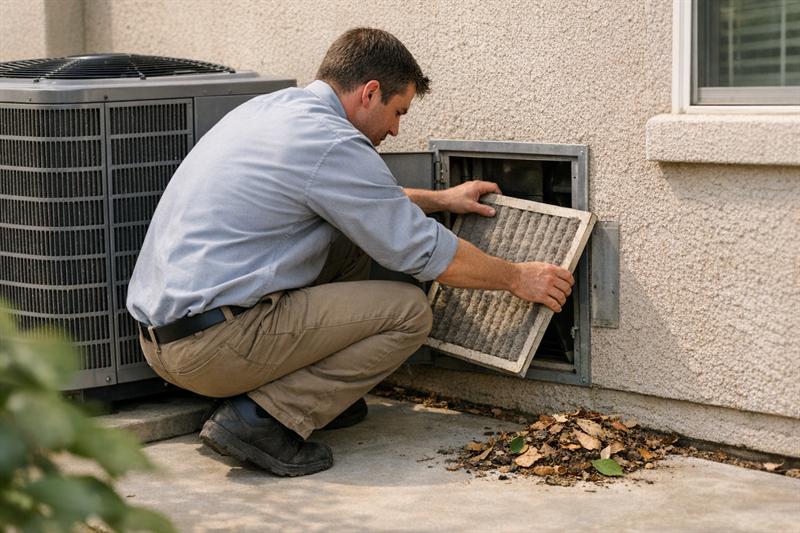
- Clear debris around the outdoor unit to allow proper ventilation
- Check thermostat settings and replace batteries if needed
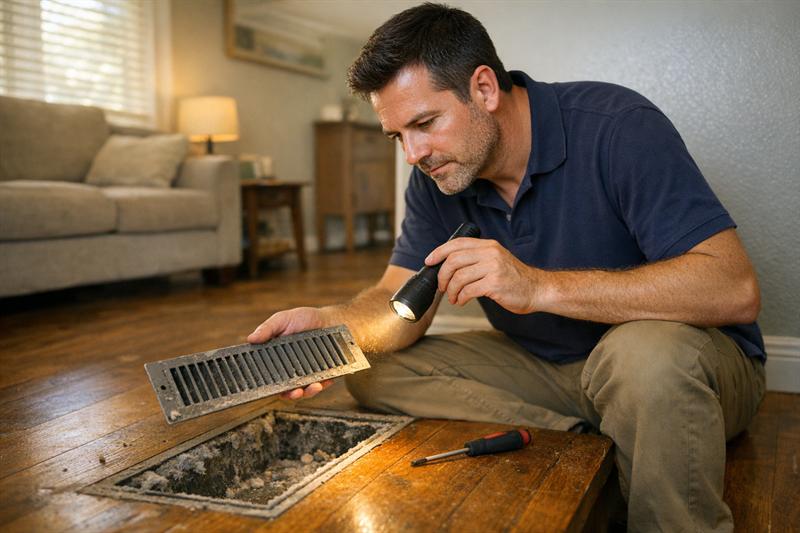
- Inspect vents and registers for blockages
Spring is when many summer issues start. Restricted airflow is easy to miss until temperatures rise. Once the system is under load, that restriction can force it to work harder from the start.
When to Schedule Professional Service
- Clean coils to support cooling performance
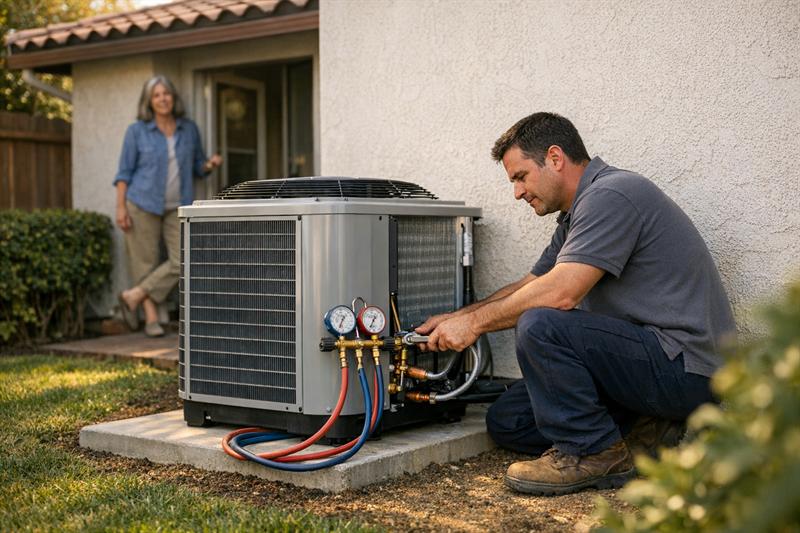
- Check refrigerant levels for proper operation
- Inspect electrical components for signs of wear
This is often when deeper problems are found. Components like capacitors and wiring may show wear in spring, and if they are left alone, those issues are more likely to surface during peak summer use.
Summer HVAC Maintenance Checklist (Peak Usage)
Keeping Your AC Running in Extreme Heat
- Change filters more frequently during dusty conditions or poor air quality
- Keep the outdoor unit clear to maintain airflow
- Avoid setting the thermostat excessively low, which can increase system strain
Summer is when systems are pushed the hardest. Airflow restrictions become more noticeable, and the system compensates by running longer. That added strain can reduce efficiency and put more pressure on key components.
Warning Signs to Watch For
- Weak airflow from vents
- The system runs longer without reaching the set temperature
- Uneven cooling between rooms
- Unexpected increases in energy bills
These signs usually point to a system already under strain. What starts as reduced performance can lead to a breakdown during extended heat if the cause is not addressed.
If your system is showing these signs, there may be an underlying issue:
- Airflow feels weaker than it did earlier in the season
- Some rooms stay warm while others cool normally
- The system runs constantly but struggles to keep up
- Energy bills rise without a clear change in usage
At that point, a professional inspection is usually the most practical way to identify the cause and reduce further strain on the system.
Fall HVAC Maintenance Checklist (Pre-Heating Season)
Preparing Your Furnace Safely
- Replace air filters before turning the system on
- Test the heating system early to confirm it starts and runs properly
- Check for unusual smells or noises during startup
Fall is when heating issues first become noticeable. Systems that have been idle may not perform as expected right away. Testing early helps catch these issues before regular use begins.
Airflow and Efficiency Checks
- Inspect accessible ductwork for visible leaks or buildup
- Make sure vents are open and unobstructed
Uneven heating often comes back to airflow. These imbalances are usually easier to correct before the system is used daily.
Winter HVAC Maintenance Checklist (Low but Critical Use)
Maintaining Indoor Comfort
- Monitor thermostat performance and temperature consistency
- Keep airflow balanced across all rooms
Preventing Hidden Issues
- Watch for uneven heating or temperature swings
- Address short cycling or unusual noises early
Winter issues tend to build slowly. A system may run inconsistently for weeks before the problem becomes obvious. Addressing early signs can help prevent more involved repairs later.
DIY vs Professional HVAC Maintenance: What Homeowners Should Know
Basic maintenance can be handled at home, but many system issues develop in areas that are not visible during normal use.
- DIY: changing filters, clearing debris, checking thermostat settings
- Professional: inspecting electrical components, checking refrigerant, evaluating overall system performance
A system can appear to run normally while internal parts are wearing down. Those issues often show up later as performance loss or unexpected failure.
Combining routine upkeep with professional inspections is a practical approach. Many homeowners rely on air conditioning and furnace service and repair to catch issues before they become disruptive.
Common HVAC Problems Sacramento Homeowners Face
HVAC issues in Sacramento often follow patterns tied to climate and usage.
- Cooling problems during early heat waves when systems were not prepared in spring
- Clogged filters from dust and smoke reducing airflow
- Uneven cooling caused by airflow restrictions or duct issues
- Reduced efficiency from delayed or inconsistent maintenance
These problems usually do not appear all at once. Systems often show signs like longer run times and weaker airflow before larger issues develop. Addressing those early changes can help avoid more serious problems.
Air quality can play a role as well. Dust and airborne particles may build up quickly, which is why some homeowners explore indoor air quality solutions in Sacramento alongside regular maintenance.
Key Takeaways
- Timing has a direct impact on HVAC performance and reliability
- Airflow issues are often the starting point for larger problems
- Sacramento’s climate increases system demand during summer
- Professional inspections can catch issues that are not visible during routine care
Conclusion
The main issue is not just whether maintenance happens. It is whether it happens at the right time. Systems that are not prepared before peak seasons are more likely to struggle early, leading to higher energy use and inconsistent comfort.
That pattern can repeat year after year. Minor issues go unnoticed in spring, systems are pushed in summer, and performance drops follow. Once that cycle starts, repairs become more likely.
Newman’s Heating and Cooling focuses on catching these issues before they surface under pressure. Their approach is built around timing, system condition, and preventing small problems from turning into larger ones.
If your system has not been serviced recently or is already showing signs of strain, scheduling HVAC maintenance in Sacramento is a practical next step to help keep it running reliably.
FAQ
How often should HVAC systems be serviced in Sacramento?
Most systems are serviced twice a year, in spring and fall. This helps prepare the system before peak cooling and heating seasons. Regular timing can reduce the chance of performance issues during extreme weather.
What maintenance does an HVAC system need each season?
Seasonal maintenance usually includes changing filters, checking airflow, and inspecting key system components. Spring focuses on cooling readiness, while fall prepares the heating system. Following a consistent schedule helps support performance throughout the year.
Can homeowners perform HVAC maintenance themselves?
Homeowners can handle basic tasks like replacing filters and clearing debris. More technical work involves system diagnostics and internal components. Professional inspections are usually needed to identify deeper issues.
What happens if HVAC maintenance is skipped?
Skipping maintenance often leads to reduced efficiency and increased system strain. Over time, that can result in higher energy bills and a greater likelihood of repairs.
When should AC be serviced before summer?
AC systems are usually serviced in early spring. This allows time to identify and address issues before temperatures rise. Early preparation helps the system perform more consistently during peak demand.
How do Sacramento summers affect HVAC systems?
Sacramento summers require extended cooling, which increases system workload. Longer run times can expose existing issues and add wear to components. Regular maintenance helps systems handle this demand more effectively.