Quick Answer: Common HVAC problems usually point to airflow restrictions, refrigerant issues, electrical faults, or normal mechanical wear. They rarely improve on their own, and early symptoms often get worse if the underlying issue is not addressed.
Most HVAC problems do not start with a full breakdown. The system still runs, but something feels off. Maybe it takes longer to cool, airflow feels weaker, or there is a noise that was not there before. These smaller changes are often early signs that the system is under strain.
Why HVAC Problems Often Start Small (But Get Worse Fast)
HVAC systems are built to keep operating even when something is not working quite right. That is one reason early issues are easy to ignore. The system compensates, runs longer, and gradually puts more stress on key components.
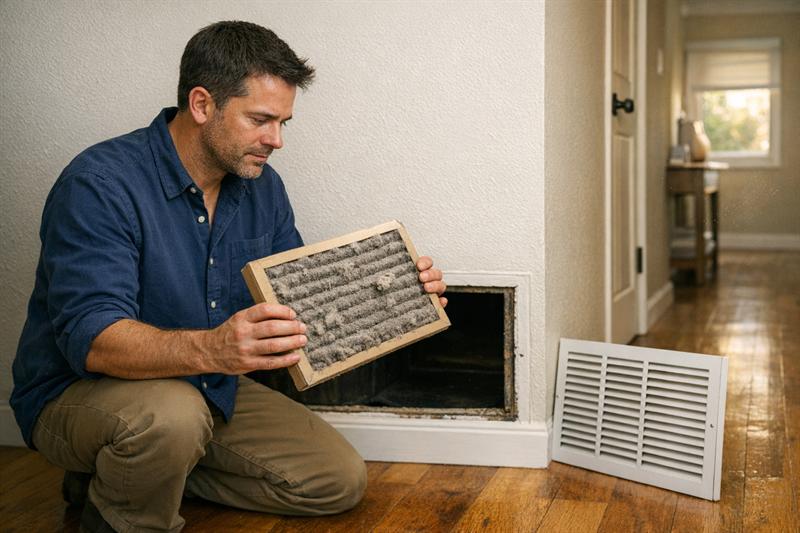
This is where problems start to compound. A clogged filter can restrict airflow. That restriction can contribute to frozen coils. Frozen coils reduce cooling and may eventually stop the system from working properly. This kind of progression is common when early warning signs are missed.
Delaying service often leads to more wear, higher energy use, and more involved repairs.
Most Common HVAC Problems Homeowners Face
These are some of the most common HVAC problems and what they often indicate.
HVAC Not Cooling Properly
If the system runs but the home does not cool, it often points to restricted airflow, low refrigerant, or dirty coils.
When this happens, the system usually runs longer to compensate, which can increase energy use and add stress to components. If left unresolved, performance typically continues to decline.
System Blowing Warm Air
Warm air from vents usually means the system is not removing heat effectively. This is often related to refrigerant issues, airflow problems, or compressor trouble.
If the thermostat is set correctly and the system still fails to cool, the problem is likely within the equipment rather than the settings.
Weak or Uneven Airflow
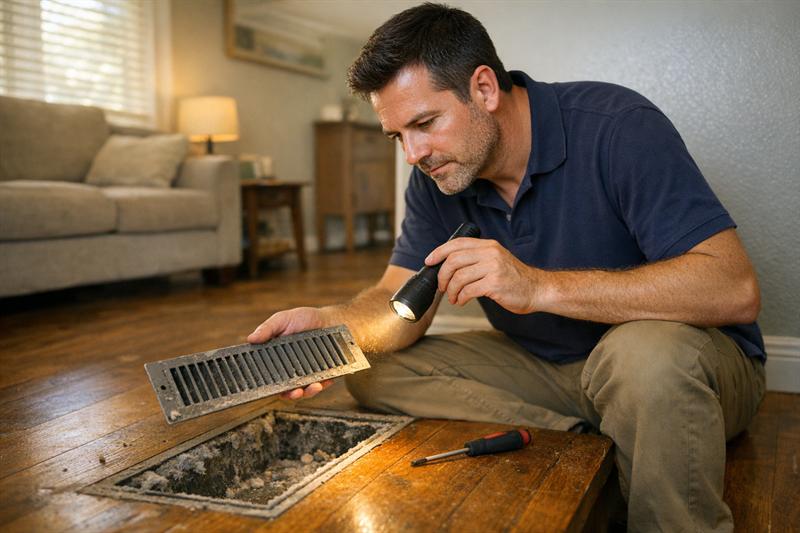
- Clogged air filters
- Blocked vents
- Duct leaks or restrictions
Weak airflow reduces comfort and forces the system to work harder. As efficiency drops, strain on the equipment tends to increase. Over time, that added strain can affect multiple components.
Strange Noises (Banging, Grinding, Squealing)
- Banging: loose or damaged components
- Grinding: motor or bearing wear
- Squealing: belt or fan issues
Unusual noises are often early signs of mechanical trouble. These problems rarely stay the same with continued use and can lead to larger repairs if ignored.
Frequent Cycling (Turning On and Off)
Short cycling happens when the system turns on and off more often than normal. This can be related to overheating, thermostat problems, airflow restrictions, or an incorrectly sized system.
This pattern increases wear on internal parts and reduces overall efficiency.
Unusual Odors from Vents
- Burning smell: electrical or overheating components
- Musty smell: moisture or buildup in the system
Odors during operation are not typical. A burning smell in particular should be checked promptly because it can point to overheating components or an electrical issue.
Thermostat Not Responding
If the thermostat does not respond, the system cannot regulate temperature correctly. This is often related to dead batteries, wiring problems, power interruptions, or a faulty thermostat.
In some cases, the HVAC equipment appears unresponsive when the problem actually starts with the control system.
High Energy Bills Without Explanation
An unexpected increase in energy use usually means the system is working harder than it should. This is often linked to airflow restrictions, longer run times, or declining efficiency.
It is a strong sign that the system is no longer operating under normal conditions.
What These Problems Usually Mean (Root Causes Explained)
Most HVAC problems trace back to a few core causes.
- Airflow restriction: clogged filters, blocked ducts, or closed vents
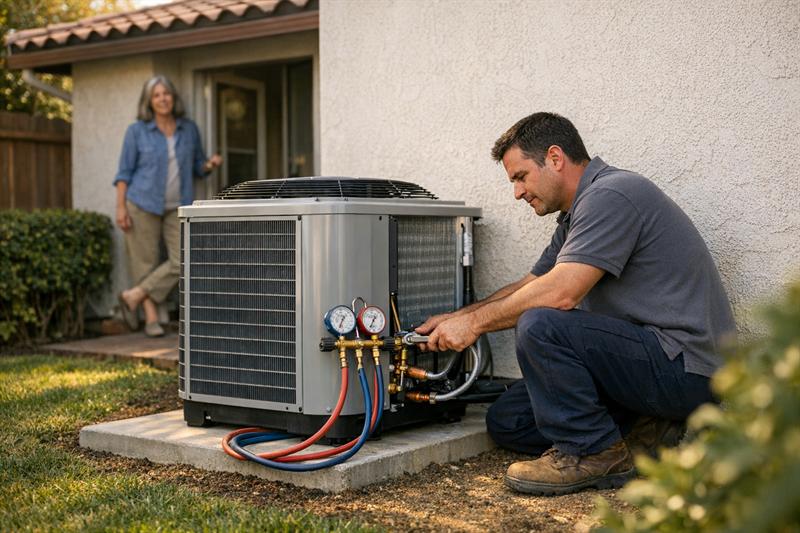
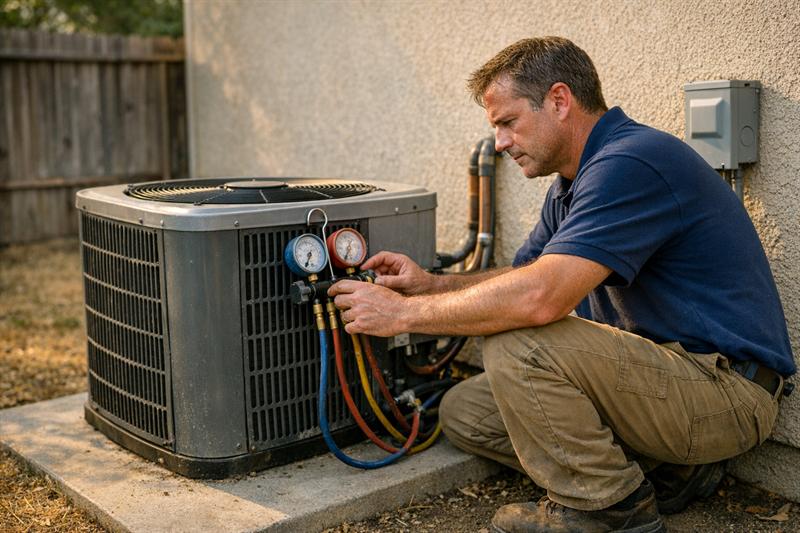
- Refrigerant issues: leaks or improper charge affecting cooling performance
- Electrical or control failures: thermostat, capacitor, contactor, or wiring problems
- Mechanical wear: aging or failing internal components
In many cases, several symptoms come from one underlying issue. Weak airflow, poor cooling, and rising energy bills can all connect to the same airflow problem. That is why treating only the symptom often leads to repeat issues.
When a Small Issue Becomes an Urgent Repair
- System will not turn on
- Burning or electrical smell
- Loud or sudden mechanical noises
- No cooling during very hot weather
These signs usually mean the problem has moved beyond a minor adjustment. They can point to equipment failure or a condition that could cause further damage if the system keeps running.
If you are noticing these signs, it is a good time to schedule an HVAC inspection. Waiting at this stage often leads to more extensive repairs.
What You Can Check Before Calling a Professional
- Check thermostat settings
- Replace or inspect the air filter
- Check circuit breakers
- Make sure vents are open and unobstructed
These basic checks can rule out some of the most common minor issues.
If the problem continues after these steps, the cause is often deeper within the system. Further troubleshooting usually requires tools, testing, and access to components that should be handled by a trained technician.
How Professional HVAC Repair Solves the Underlying Issue
Most HVAC problems connect back to an underlying system condition rather than a single obvious failure. What looks like one issue can have more than one contributing cause.
Professional repair focuses on finding the source of the problem through inspection and system testing. That may include checking airflow, evaluating electrical and mechanical components, and verifying overall system performance.
Addressing the right issue helps reduce repeat problems and unnecessary strain on the system.
Learn more about professional HVAC repair services and how a proper inspection supports long-term performance.
How to Prevent Common HVAC Problems
- Replace air filters regularly
- Schedule seasonal maintenance
- Keep vents and ducts clear
- Address small issues early
Long-term system reliability usually comes down to consistent maintenance. Systems that go too long without service are more likely to develop performance problems over time.
Preventive care helps reduce strain on components and lowers the chance of unexpected breakdowns.
Key Takeaways
- Common HVAC problems are often early warning signs of larger system issues
- Many issues trace back to airflow problems, refrigerant issues, electrical faults, or mechanical wear
- Problems usually get worse over time when ignored
- Finding the root cause is key to solving the issue effectively
Conclusion
HVAC problems rarely stay minor for long. What starts as weak airflow or reduced cooling can turn into higher operating costs, added system strain, and more significant repair needs.
That is why early action matters. The system may keep running, but the underlying problem often continues to develop.
At Newman’s Heating and Cooling, many service calls start with symptoms like these. Catching the issue early is often the best chance to prevent a more serious repair.
If your system is showing any of these signs, the next step is to have it checked. A professional inspection can identify the cause and help prevent further damage.
FAQ
What are the most common HVAC problems homeowners face?
Common problems include poor cooling, weak airflow, unusual noises, short cycling, and thermostat issues. These symptoms are often linked to airflow restrictions, refrigerant problems, electrical faults, or worn components.
Why is my HVAC system running but not cooling?
This usually means the system is not removing heat effectively because of restricted airflow, dirty coils, refrigerant issues, or another internal problem. If basic checks do not solve it, the system typically needs professional service.
How do I know if my HVAC problem is serious?
The problem is more serious when the system stops working, makes loud noises, gives off a burning smell, or cannot keep up during hot weather. These signs often point to a fault that should be checked before continued operation causes more damage.
What can I check before calling HVAC repair?
You can check thermostat settings, air filters, breakers, and vents. These are common sources of minor issues. If the problem continues after those checks, it usually points to a deeper system problem.
How often should HVAC systems be maintained to avoid problems?
Most systems benefit from maintenance once or twice a year, depending on usage and system type. Regular service helps catch airflow issues, wear, and efficiency loss before they become larger problems.
What causes an HVAC system to stop working suddenly?
Sudden failure can be caused by electrical faults, overheating, tripped protection controls, or component failure. In many cases, the underlying issue has been developing for some time before the shutdown becomes obvious.