Quick Answer: High energy bills are often tied to HVAC systems running longer than they should because of issues like restricted airflow, aging equipment, thermostat problems, or duct leaks. When the system has to work harder to maintain the same temperature, energy use goes up and costs follow.
If your bill jumped but your daily habits stayed about the same, the cause is often inside the system. At Newman’s Heating and Cooling, this is a common reason homeowners call for service. The equipment may still be running, but it is no longer operating as efficiently as it should. That drop in efficiency is often where the extra cost shows up.
Why HVAC Systems Are the Biggest Driver of Energy Bills
Your heating and cooling system usually uses more energy than any other major system in the home. During periods of extreme heat or cold, it naturally runs longer to keep indoor temperatures stable.
That is where small performance problems can turn into bigger costs. When airflow is restricted or key components are worn, the system needs more time to reach the thermostat setting. Longer run times generally mean higher energy use. In hot climates like Sacramento, where cooling demand can stay high for long stretches, these inefficiencies tend to become more noticeable.
One common pattern is that nothing about household usage has changed, but the system is running longer behind the scenes. That extra runtime is often what pushes the bill higher.
7 Common HVAC Problems That Cause High Energy Bills
Most unusually high energy bills come back to a handful of recurring HVAC issues. These are some of the same problems that regularly show up during inspections and repair visits.
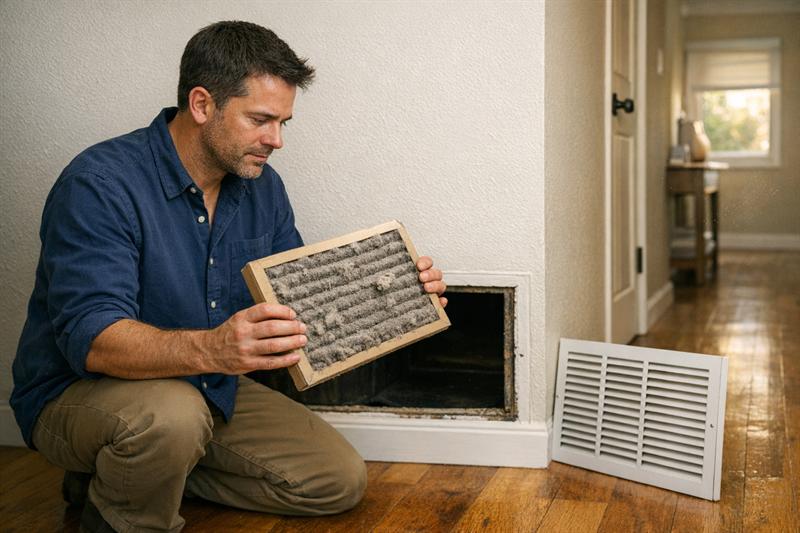
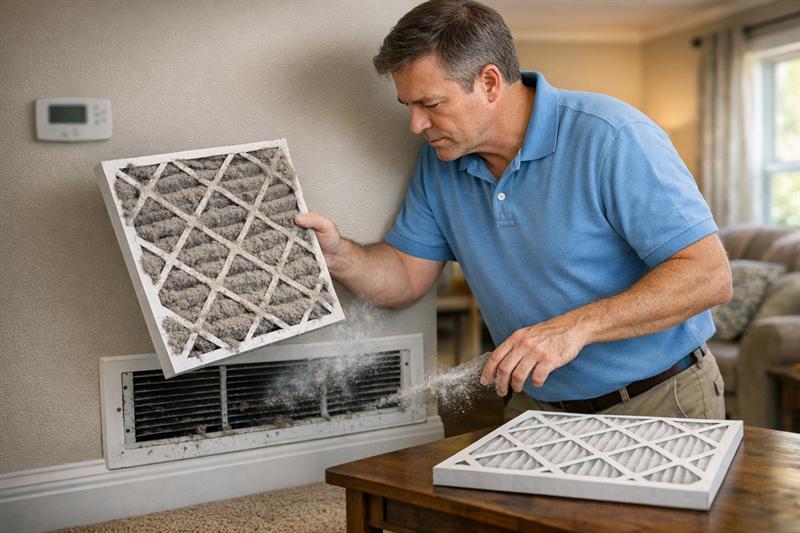
Dirty or Clogged Air Filters
A clogged filter restricts airflow, which forces the system to work harder to circulate air. That often leads to longer run times and lower efficiency.
This is one of the most common causes of rising energy bills. It often starts with a simple maintenance delay and gradually puts more strain on the system.
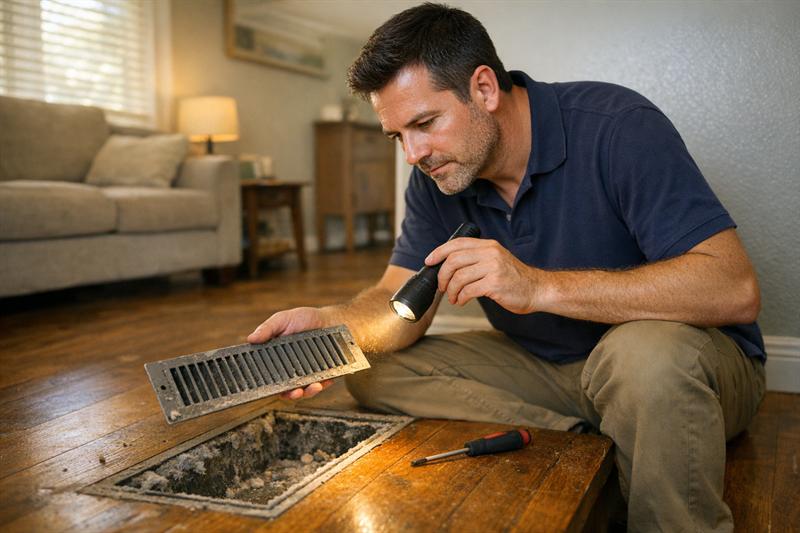
Leaky or Dirty Ductwork
Leaky ducts allow conditioned air to escape before it reaches the living space. The system keeps running to make up for that loss.
This is especially common in older homes. Even small leaks can waste a noticeable amount of energy because the system is conditioning air that never makes it to the room.
Aging or Inefficient HVAC System
As HVAC systems age, internal components wear down and overall efficiency can decline. The system may use more energy to deliver the same level of heating or cooling.
A common sign is rising utility bills along with more frequent repair needs. At that point, the system may no longer be operating cost-effectively. Many homeowners begin looking into signs it may be time for a furnace replacement to avoid pouring money into an aging unit.
Incorrect Thermostat Settings or Thermostat Malfunctions
If a thermostat is programmed incorrectly, out of calibration, or malfunctioning, it can cause the system to run longer than needed or cycle at the wrong times.
This often shows up as near-constant operation without reaching the desired temperature, which increases energy use without improving comfort.
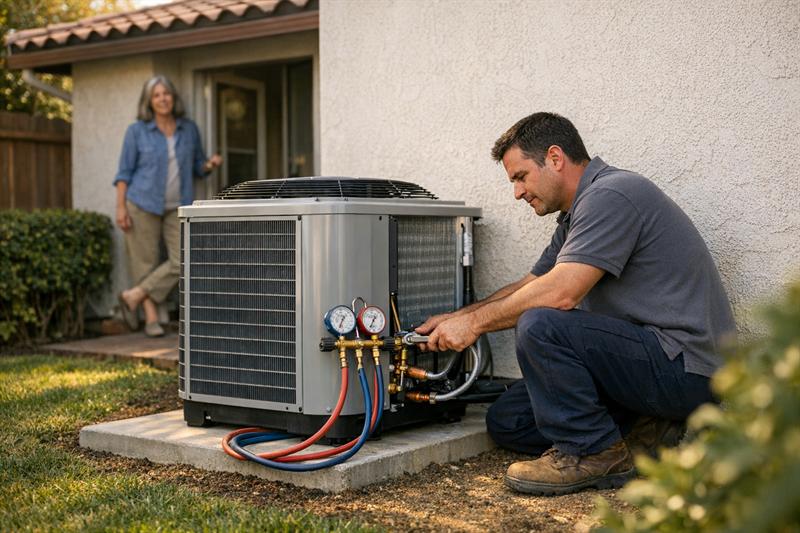
Refrigerant Issues
Low refrigerant can reduce your air conditioner’s ability to cool effectively. The unit keeps running, but cooling performance drops.
That usually leads to extended run times as the system struggles to reach the set temperature. The longer it runs, the more energy it uses, and the issue should be addressed by an HVAC professional.
Poor Insulation or Airflow Restrictions
If conditioned air escapes the home or cannot move freely through it, the HVAC system has to keep replacing that loss.
Blocked vents, insulation gaps, or other airflow restrictions can all contribute. The result is often longer runtimes and higher energy use.
Lack of Regular Maintenance
Over time, small issues can build up across the system. Components get dirty, airflow becomes restricted, and overall performance drops.
That is when inefficiency starts to compound. What begins as a minor issue can gradually increase energy use until it becomes obvious on your monthly bill.
How to Tell If Your HVAC System Is Wasting Energy
- Your AC or heater runs for long periods without shutting off
- Your energy bills increase without a clear change in usage
- Some rooms stay warmer or cooler than others
- You have needed multiple HVAC repairs in a short time
If you are noticing these signs, the system may be compensating for an underlying problem. That extra effort is often what drives up energy use.
If Your Energy Bills Keep Climbing, This Is Where Action Is Needed
If your system is showing several of these patterns, it may no longer be running efficiently:
- Long run times without reaching the set temperature
- Energy bills increasing month after month
- Uneven comfort throughout the home
- Recurring service issues
When these signs appear together, the system is often using more energy just to maintain basic performance. At that point, the issue usually will not improve on its own. A professional inspection can help identify the cause and the right fix.
When High Energy Bills Mean It’s Time to Repair or Replace
When a Repair Is Enough
If the problem is isolated, such as a clogged filter, thermostat issue, or minor airflow restriction, a repair can often restore efficiency.
This is most common when the system is still within its expected service life and has not developed repeated problems.
When Replacement Is More Cost-Effective
If breakdowns are becoming frequent and energy bills keep rising, the system may no longer be worth continuing to patch together.
That is when replacement becomes the more practical option. Newer systems are designed to run more efficiently and with less strain. Many homeowners consider energy-efficient heat pump installation options when facing this situation.
How to Lower Your Energy Bills Without Guesswork
- Replace air filters regularly to keep airflow consistent
- Schedule maintenance to catch issues early
- Address duct leaks and airflow problems
- Upgrade older systems when efficiency drops
Each of these steps helps reduce strain on the system. When strain goes down, the system usually runs less and uses less energy.
If problems continue, it may be time for professional service. You can explore full support through air conditioning and furnace service and repair.
Key Takeaways
- High energy bills are often caused by HVAC inefficiency, not just increased usage
- Longer system runtime is one of the main reasons costs go up
- Common issues include airflow restrictions, duct leaks, thermostat problems, and aging equipment
- Ignoring these problems can lead to steadily rising energy use and added wear on the system
- Addressing issues early can help you avoid larger repairs or premature replacement
Conclusion
High energy bills are often a sign that your HVAC system is working harder than it should. That extra workload usually comes from inefficiencies that build over time and rarely improve without attention.
If left unaddressed, these issues can lead to longer runtimes, higher monthly costs, and more wear on the equipment. What starts as a small efficiency problem can eventually turn into a larger repair or replacement decision.
At Newman’s Heating and Cooling, this pattern is a familiar one. Systems that once kept up without trouble begin running longer, cooling or heating less evenly, and costing more to operate. The earlier the cause is identified, the easier it usually is to correct.
If your system is running constantly, your bills are climbing, or comfort has dropped, the next step is to have it checked. A professional evaluation can help pinpoint where energy is being lost and what needs to be done to improve performance.
How Newman’s Heating and Cooling Approaches Energy Efficiency Problems
At Newman’s Heating and Cooling, the process starts with identifying where performance is breaking down. That includes looking at airflow, system operation, and duct condition together rather than treating them as unrelated issues.
In many homes, several small problems combine into one larger efficiency issue. Instead of only addressing the most obvious symptom, the goal is to identify the underlying cause so the system can operate more efficiently again.
That approach can help reduce repeat repairs and limit ongoing energy waste by fixing the source of the problem.
Frequently Asked Questions
Why is my energy bill so high even when I’m not using more HVAC?
High energy bills are often caused by inefficiencies that make the system run longer. Issues like duct leaks, thermostat problems, or restricted airflow can force the system to work harder. A system check can help identify where that extra runtime is coming from.
Can a bad HVAC system double your energy bill?
An inefficient system can significantly increase energy costs, especially if it is running for long periods to reach the same temperature. The exact impact depends on the problem, the age of the equipment, and how long the issue has been present.
How do I know if my AC is wasting energy?
If your AC runs constantly, struggles to cool evenly, or your bills keep increasing without another clear reason, it may be losing efficiency. These signs often point to underlying issues that need attention.
Is it better to repair or replace an inefficient HVAC system?
Repairs usually make sense for isolated issues. If the system is older and problems keep returning, replacement is often the more practical long-term choice. An HVAC inspection can help clarify the best next step.
Does duct cleaning really improve energy efficiency?
Duct cleaning may help if dust or debris is significantly restricting airflow, but it is not the main solution in every case. Leaks, damage, or poor duct design can also affect efficiency. An inspection can help determine what is actually contributing to the problem.
How often should HVAC systems be maintained to stay efficient?
Most systems benefit from service once or twice per year, depending on the equipment and how heavily it is used. Regular maintenance helps keep components working properly and can reduce avoidable efficiency loss over time.