Quick Answer: Most HVAC systems should be serviced twice a year, once before cooling season and once before heating season. When maintenance is delayed, systems often lose efficiency, airflow can drop, and the risk of breakdowns tends to increase during extreme temperatures.
Many homeowners do not think about maintenance until something feels off. By the time airflow weakens or energy bills climb, the system has often been working harder than it should for a while. At Newman's Heating and Cooling, this pattern comes up regularly. Small issues build gradually, then become more noticeable when the system is under the most demand.
What Is the Recommended HVAC Maintenance Schedule?
The most commonly recommended HVAC maintenance schedule is twice per year, supported by simple upkeep throughout the year. This helps keep both heating and cooling systems ready for heavy use.
- Professional service in spring for your air conditioner
- Professional service in fall for your heating system
- Ongoing filter checks and basic maintenance at home
Twice-Yearly Professional Maintenance
Professional maintenance focuses on components that are not visible or are not safe to inspect without training. This includes electrical connections, airflow performance, and system controls. Many problems start in these areas. A loose connection or restricted airflow may not stop the system right away, but it can lead to reduced performance and added strain over time.
Servicing the system before peak seasons helps lower the chance of problems when you need it most. Learn more about professional HVAC maintenance services and what a full inspection may include.
Monthly and Quarterly Homeowner Tasks
- Replace or clean air filters every 1 to 3 months
- Keep vents and returns clear
- Pay attention to changes in airflow or noise
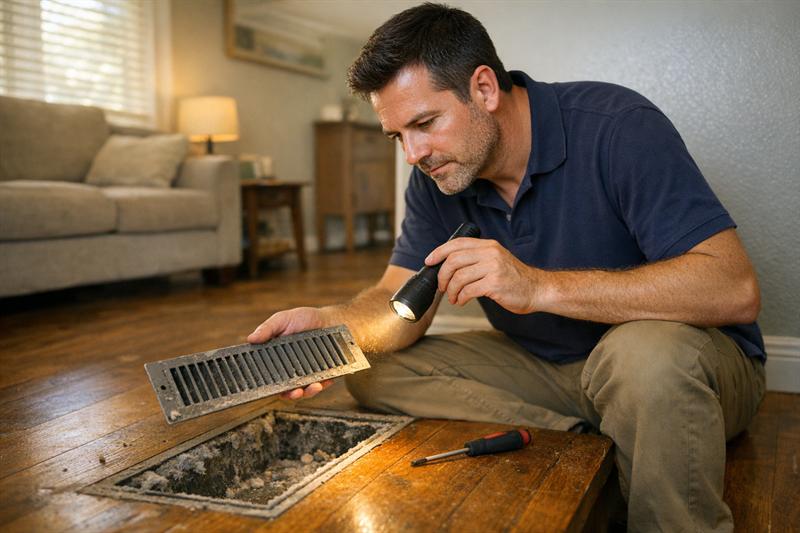
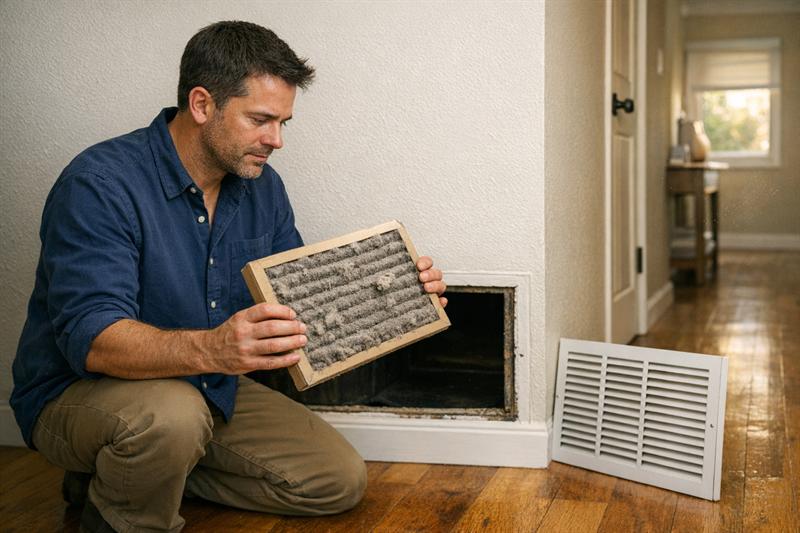
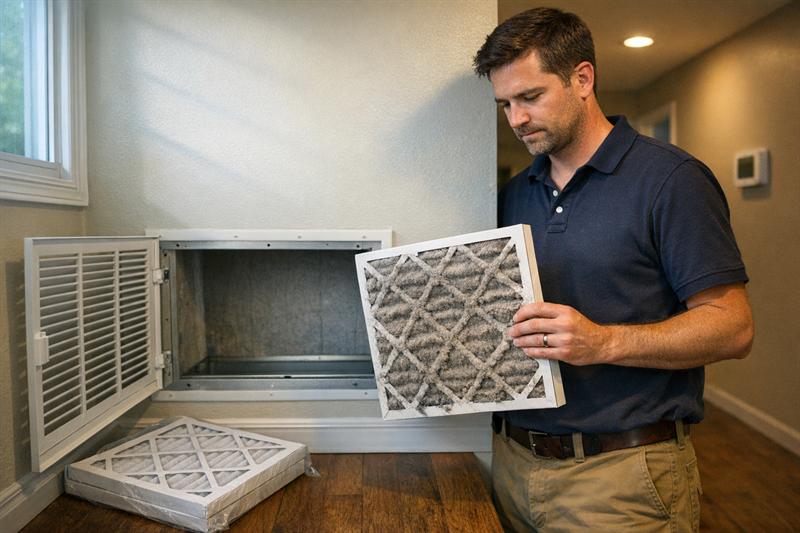
One of the most common maintenance issues is delayed filter changes. Dirty filters restrict airflow and force the system to run longer. That extra strain can build over time and show up as higher bills or uneven temperatures.
Why Regular HVAC Maintenance Matters More Than Most Homeowners Think
Maintenance directly affects how your system handles stress. When upkeep is skipped, the system has to work harder to produce the same result. That often leads to longer run times and less consistent temperatures.
Over time, this added strain increases wear on key components. What starts as reduced efficiency can lead to more frequent repairs. Left alone, those issues can grow into larger system problems that are harder and more expensive to fix.
Seasonal HVAC Maintenance Breakdown
Spring and Summer (Cooling System Focus)
- Clean coils and confirm proper airflow
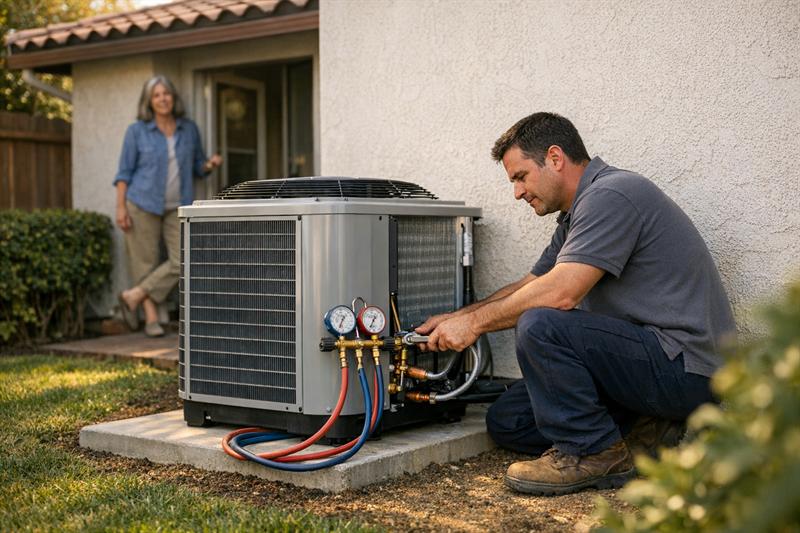
- Check refrigerant levels and system pressure
- Test cooling performance before peak use
In Sacramento, cooling systems often carry most of the workload. Long stretches of heat mean the system runs for extended periods. In those conditions, small inefficiencies can turn into noticeable performance issues faster than many homeowners expect.
Fall and Winter (Heating System Focus)
- Inspect furnace components and ignition system
- Check airflow and safety controls
- Confirm consistent heating output
Heating problems often show up during the first cold stretch. Systems that have been sitting idle can develop issues that only appear once they start running again. If performance drops, heating repair services may be needed to restore proper operation.
What Happens If You Skip HVAC Maintenance?
- Energy bills increase as efficiency drops
- Components wear out faster under constant strain
- Airflow becomes inconsistent across the home
- Breakdowns are more likely during peak weather
- Small issues can turn into more complex repairs
A system may seem fine during mild weather, then struggle when temperatures spike or drop. That often leads to urgent repairs at the time you need the equipment most.
DIY vs Professional HVAC Maintenance: What's the Difference?
Homeowners can handle basic upkeep, but professional maintenance addresses deeper system performance and safety checks.
Tasks like changing filters and clearing vents help maintain airflow. They do not reveal internal wear or system imbalances. A system can keep running while performance slowly declines.
Professional inspections can catch those issues earlier and help correct them before they affect the entire system. Learn what is included in HVAC maintenance services and how a full system check is performed.
Signs Your HVAC System Needs Service Sooner
- Airflow feels weaker than normal
- New or unusual noises during operation
- Some rooms are harder to heat or cool
- Energy bills increase without a clear reason
- The system cycles on and off more frequently
These signs often mean the system is no longer operating efficiently. Early service can help prevent the underlying issue from continuing to affect performance.
How Climate in Sacramento Affects Your HVAC Schedule
Local conditions play a big role in how often systems need attention. In Sacramento, long cooling seasons increase overall system usage, while dry conditions can contribute to faster dust buildup.
This often shows up in clogged filters, reduced airflow, and longer run times. Systems in this region may need more consistent maintenance to keep up with demand.
Working with a provider familiar with local conditions, like HVAC services in Sacramento, can help align maintenance with how systems are actually used.
Should You Enroll in an HVAC Maintenance Plan?
Maintenance plans address a common issue: inconsistency. Many homeowners intend to keep up with service but fall behind until something goes wrong.
A plan helps keep maintenance on schedule and reduces that gap. This can be especially helpful for systems that run heavily or are starting to show signs of wear.
If maintenance has been inconsistent, regular service is usually the best next step to help stabilize performance.
If your system has not been serviced recently, a few common warning signs may start to show:
- Airflow is weaker than it used to be
- Energy bills are steadily increasing
- The system runs longer to reach the set temperature
- New noises or short cycling have started
These signs often point to added strain on the system. At that stage, a professional inspection can usually identify the issue before it gets worse.
Key Takeaways
- Service your HVAC system twice per year
- Schedule maintenance before peak heating and cooling seasons
- Keep up with filter changes and basic upkeep
- Watch for early signs of reduced performance
- Local climate can increase maintenance needs
Conclusion
The main issue is usually not knowing the schedule. It is waiting too long to act. When maintenance is delayed, performance drops, costs can increase, and the system is more likely to struggle when demand is highest.
At Newman's Heating and Cooling, this pattern shows up every season. Systems that are maintained consistently tend to stay more reliable. Systems that are neglected are more likely to break down under pressure.
If your system is overdue for service or showing signs of strain, the next step is simple. Schedule a professional inspection before the problem grows. Newman's Heating and Cooling provides maintenance designed to help keep your system running when you need it most.
Our Approach to HVAC Maintenance
Newman's Heating and Cooling approaches maintenance as a way to help prevent problems, not just respond to them. Each service focuses on how the system is actually performing, not just whether it turns on.
This includes checking airflow, inspecting critical components, and addressing small problems before they spread. The goal is to keep the system stable, efficient, and ready for seasonal demand.
Frequently Asked Questions
How often should an HVAC system be serviced?
Most systems should be serviced twice per year. This timing prepares both heating and cooling components for heavy use. Regular service helps reduce the chance of performance issues during peak seasons.
Is annual HVAC maintenance enough?
Annual service is often not enough for systems used year-round. Heating and cooling functions operate separately and both benefit from seasonal attention. Twice-yearly maintenance helps keep the full system working as expected.
What maintenance does an HVAC system need regularly?
Regular maintenance includes filter changes, system inspections, and performance checks. These steps help maintain airflow and reduce strain on components. Combining homeowner upkeep with professional service helps keep the system balanced.
How often should you change your HVAC air filter?
Air filters should typically be changed every 1 to 3 months. Homes with more dust, pets, or heavier usage may need more frequent changes. Clean filters help maintain airflow and support system efficiency.
What are the signs your HVAC system needs servicing?
Common signs include weak airflow, unusual noises, uneven temperatures, and higher energy bills. These can indicate the system is not performing as it should. Addressing them early can help prevent larger issues.
Does HVAC maintenance really save money?
Maintenance helps systems run more efficiently and reduces unnecessary strain. This can lead to lower operating costs and fewer major repairs over time. Consistent service also helps reduce the chance of more expensive problems later.