Quick Answer: Poor indoor air quality is usually caused by a mix of dust buildup, excess moisture, limited ventilation, and HVAC issues that keep circulating contaminants through the home. It is rarely tied to just one source. In many homes, several smaller factors build on each other over time.
Why Indoor Air Quality Matters More Than Most Homeowners Think
Indoor air quality often goes unnoticed until something starts to feel off. It may show up as dust that keeps coming back, rooms that feel stale, or allergy irritation that seems worse indoors than outside.
For many homes, the issue comes back to how air is moving through the house. When airflow, filtration, or moisture control is off, the system can end up recirculating lower-quality air instead of helping clean and condition it.
Over time, that can affect comfort, system performance, and how clean the home actually feels.
The Most Common Causes of Poor Indoor Air Quality
Indoor air quality problems rarely come from a single source. More often, several smaller issues combine into a larger one. Identifying the main contributors makes it easier to correct the problem instead of just chasing symptoms.
Dust, Dirt, and Airborne Particles
Dust is one of the most common contributors to poor air quality. It collects on surfaces, but it also moves through the air whenever the system runs.
- Outdoor dust entering through doors and windows
- Particles from carpets, furniture, and fabrics
- Debris pulled into the HVAC system
This is often where problems begin. If dust keeps recirculating, it settles quickly and returns just as fast, even with regular cleaning.
Mold and Excess Moisture
Excess moisture creates conditions where mold can develop, especially in areas like bathrooms, attics, crawl spaces, and some sections of ductwork. A musty smell is often one of the first noticeable signs.
These problems tend to get worse when humidity is not well controlled. As moisture lingers, mold spores may spread through the air and lower overall indoor air quality.
Pet Dander and Allergens
Pet dander is made up of fine particles that can stay suspended in the air and settle into surfaces like carpets and furniture. Once those particles enter the system, they may continue circulating.
One common sign is ongoing indoor irritation that does not seem to improve. The source is not always visible, but the buildup can continue unless it is addressed.
Poor Ventilation and Airflow
Without proper ventilation, stale air can stay trapped inside the home. Fresh air is not brought in often enough to balance what is already circulating.
This is especially common in tightly sealed homes. Better energy efficiency can sometimes come with less natural air exchange, which can leave rooms feeling stuffy and uneven in airflow.
Dirty HVAC Systems and Air Ducts
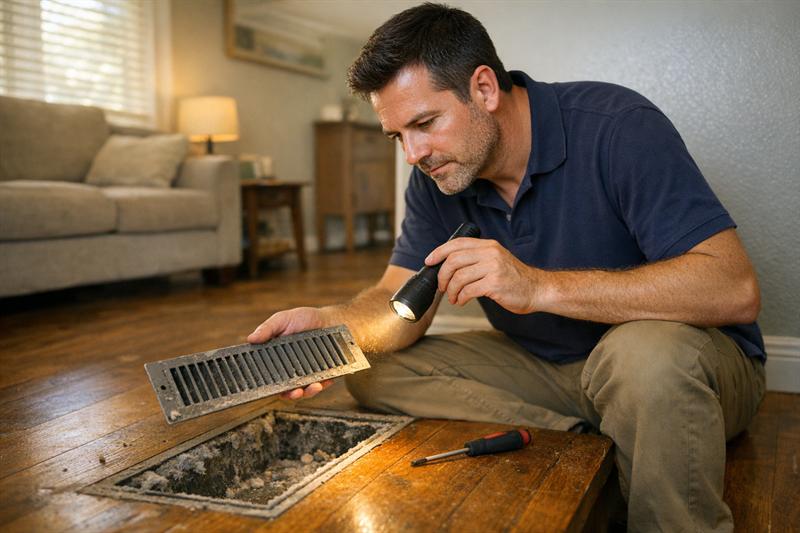
HVAC systems can contribute to poor air quality when dust and debris collect inside them. Ductwork in particular can hold buildup that gets redistributed when the system runs.
- Buildup inside air ducts
- Clogged or neglected system components
- Repeated circulation of particles
When ducts or internal components are carrying buildup, the system can keep pushing those particles back into the home. In those cases, indoor air quality solutions may be needed to address the source of the problem.
Household Chemicals and VOCs
Cleaning products, paints, and sprays can release airborne compounds that build up indoors. They are not always noticeable right away, but they can affect how the air smells or feels over time.
Without enough ventilation, these compounds tend to linger longer and add to overall air quality concerns.
Outdoor Pollution Entering the Home
Outdoor air regularly makes its way indoors through openings, leaks, and HVAC systems. This can include dust, pollen, and smoke.
In areas like Sacramento, seasonal conditions such as wildfire smoke or dry, windy weather can make this more noticeable. Indoor air may start to reflect outdoor conditions more than homeowners expect.
Signs Your Indoor Air Quality May Be Poor
- Dust returns quickly after cleaning
- Musty or stale odors linger
- Allergy irritation seems worse indoors
- Rooms feel stuffy or uneven in airflow
When several of these signs show up together, it often points to air that is being recirculated without being filtered or refreshed effectively.
How HVAC Systems Influence Indoor Air Quality
The HVAC system controls how air moves through the home. It affects how air is filtered, where it travels, and how consistently it circulates.
This is where smaller issues can turn into ongoing ones. If the system is not working as it should, it may spread dust, moisture, or other airborne particles instead of helping remove them.
Air Filters and Maintenance
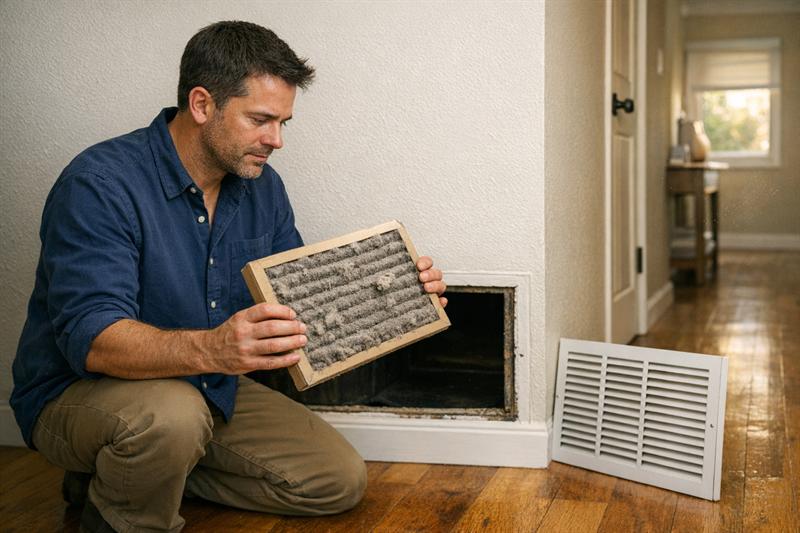
Air filters are one of the first lines of defense. When they are clogged or the wrong type for the system, they are less effective at trapping particles.
That can lead to more dust moving through the system and settling throughout the home. Reduced airflow is often one of the first signs.
Ductwork Condition
Ductwork distributes air to every room. If it contains buildup or has leaks, it can spread contaminants or pull in unwanted particles from unconditioned spaces.
This is one area where problems often go unnoticed. Over time, ducts can become a steady source of circulating debris.
System Age and Efficiency
Older systems may lose effectiveness in both airflow and filtration as components wear down over time.
This can show up as uneven temperatures, reduced comfort, and air that does not feel as clean or fresh.
How to Improve Indoor Air Quality
- Replace air filters on a consistent schedule
- Keep indoor humidity in a balanced range
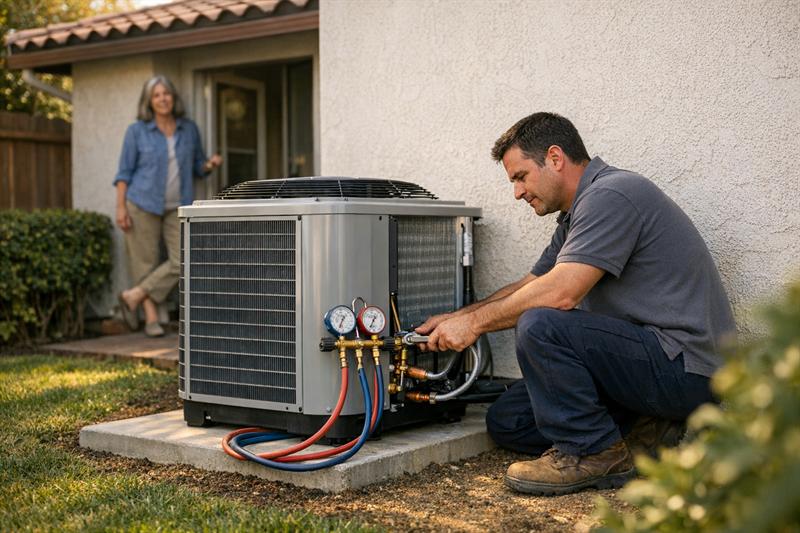
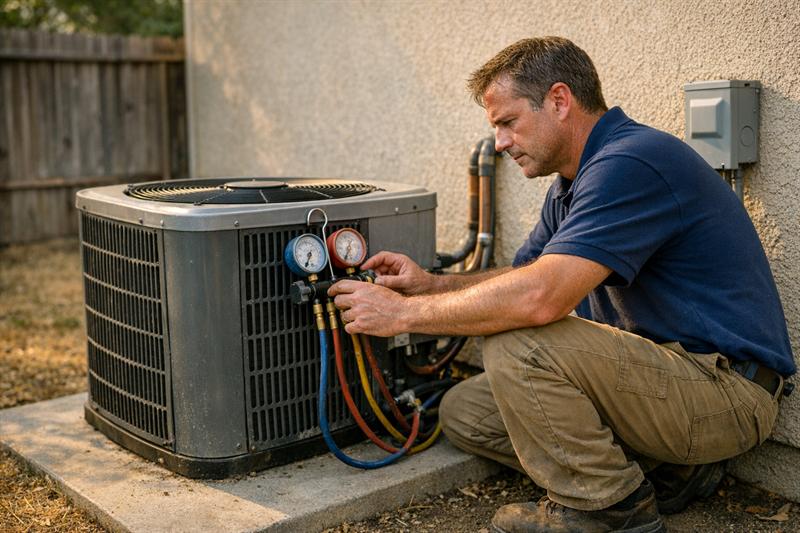
- Schedule routine HVAC maintenance
- Increase ventilation where possible
- Limit heavy use of chemical-based products
These steps can help reduce surface-level issues. If the system itself is contributing to the problem, deeper corrections may be needed.
When to Consider Professional Indoor Air Quality Services
If basic steps are not improving conditions, the issue may be tied to the HVAC system, ductwork, or airflow through the home. That is usually the point when a professional evaluation becomes helpful.
Newman’s Heating and Cooling focuses on identifying where air quality problems may be developing and what needs attention. That often means looking at airflow, filtration, and duct conditions together rather than treating them as separate issues.
If you are noticing ongoing issues like these, the problem may be more than surface-level:
- Dust returns within days of cleaning
- Rooms consistently feel stale or heavy
- Allergy irritation does not improve indoors
- Airflow feels weak or inconsistent
When these signs continue, the HVAC system may be contributing to the issue and should be checked more closely.
Conclusion
Poor indoor air quality usually builds over time. In many cases, it is the result of multiple issues working together rather than a single isolated cause.
If it is not addressed, dust can keep circulating, airflow may become more restricted, and overall comfort can decline. The longer the underlying cause is left in place, the harder it can be to correct.
Newman’s Heating and Cooling takes a system-based approach to these problems. Instead of focusing only on symptoms, the goal is to identify what is driving the issue and address it at the source.
If your home is already showing signs of poor air quality, having the system evaluated is often the next practical step.
Key Takeaways
- Poor indoor air quality is usually caused by multiple factors working together
- HVAC systems play a major role in how air is circulated and filtered
- Common signs include dust, odors, and indoor allergy irritation
- Problems often get worse when the underlying cause is not addressed
- A system-level evaluation may be needed to fully resolve the issue
FAQ
What are the most common causes of poor indoor air quality?
Poor indoor air quality is often linked to dust, mold, pet dander, ventilation issues, and HVAC-related problems. These sources can build up and circulate through the home over time. Identifying the main contributors helps determine the right next step.
Can dirty air ducts affect air quality in a home?
Yes, dirty air ducts can recirculate dust and debris throughout the home when the system runs. If buildup is present, it may continue spreading through the air. Addressing the buildup can help reduce what is being circulated.
How do I know if my indoor air quality is bad?
Common signs include dust that returns quickly, musty odors, and increased indoor allergy irritation. These can point to air that is not being filtered or refreshed effectively. If the issues continue, the system may need closer inspection.
Does HVAC maintenance improve air quality?
Regular HVAC maintenance can support better air quality by helping filters, airflow, and system components work as they should. When a system is maintained, fewer particles are likely to move through the air unchecked. That can help reduce buildup over time.
What is the fastest way to improve indoor air quality?
Replacing air filters and improving ventilation are usually the quickest first steps. These can help reduce airborne particles and improve airflow. If the problem continues, a deeper system inspection may be needed.
Can outdoor air pollution affect indoor air?
Yes, outdoor pollutants like dust, pollen, and smoke can enter through openings and HVAC systems. Once inside, they can accumulate if filtration and airflow are not doing enough to manage them. Improving filtration and airflow can help limit their impact.