Quick Answer: Most common HVAC problems start with airflow restrictions, worn parts, or system strain. Early warning signs usually include weak cooling, unusual noises, short cycling, or rising energy bills. These issues rarely improve on their own and can lead to bigger repairs if they are not addressed early.
Why Understanding HVAC Problems Early Matters
HVAC systems usually show signs of trouble before they stop working. The challenge is that those signs are easy to overlook when the system still seems to be running.
Longer run times, weak airflow, and uneven temperatures are all early indicators. They often point to strain inside the system, and that strain tends to build over time.
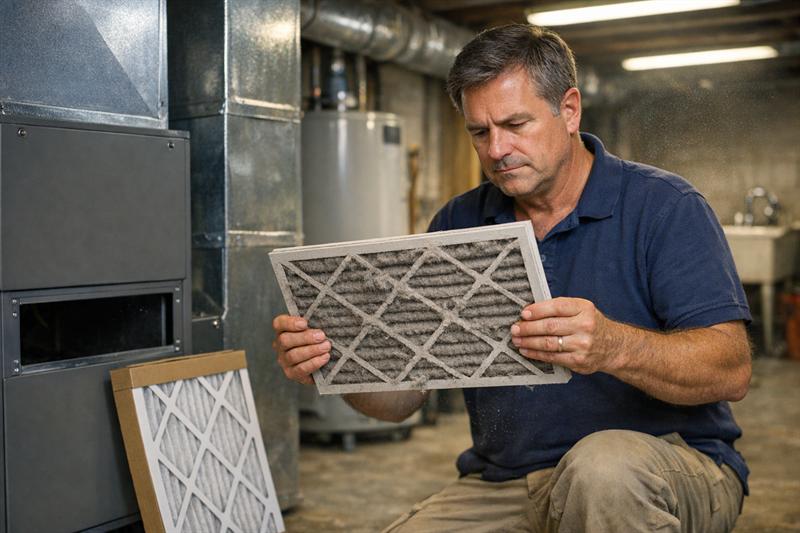
When small problems are ignored, they can affect other parts of the system. For example, a clogged filter can restrict airflow, increase operating stress, and contribute to more involved repairs later.
Most Common HVAC Problems and What They Mean
The most common HVAC problems homeowners face include:
- AC not cooling properly
- Weak or uneven airflow
- System won’t turn on
- Strange noises
- Short cycling
- Water leaks
- Unusual odors
- Rising energy bills
AC Not Cooling Properly
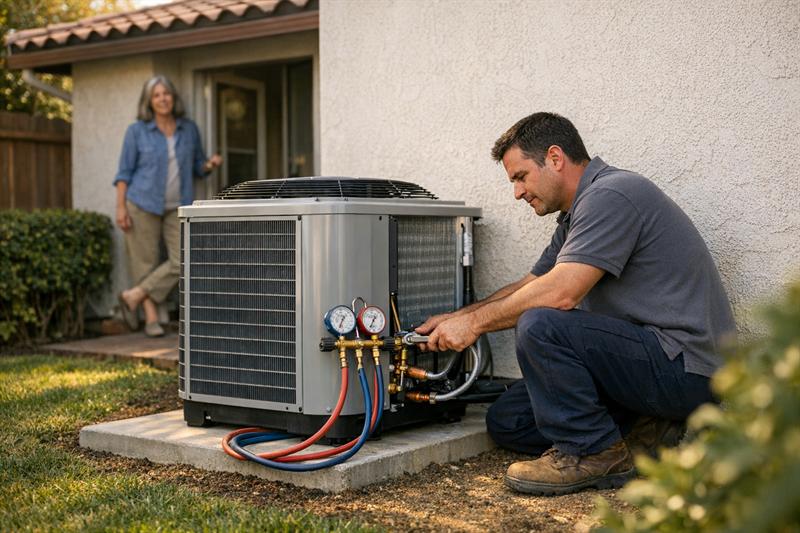
If the system is running but the home is not cooling, the issue is often tied to the heat transfer process. Common causes include restricted airflow, dirty coils, or refrigerant-related problems.
One of the clearest signs is when the system runs longer without improving comfort. That usually means it is working harder without removing heat effectively.
If that continues, key components can operate under added stress. Over time, that can contribute to larger repair needs.
If cooling performance keeps dropping, it may be time to schedule air conditioning repair.
Weak or Uneven Airflow
Uneven temperatures or weak airflow usually point to an air delivery issue rather than a complete cooling failure.
The system may still be producing cooled air, but it is not reaching each room evenly because of clogged filters, duct leaks, or blower-related problems.
When airflow stays restricted, the system can run less efficiently and place more wear on important components.
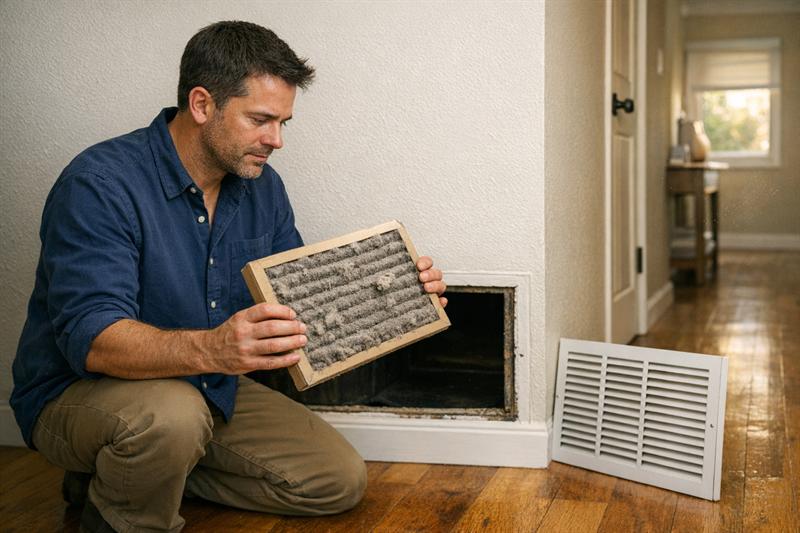
Addressing airflow issues early can help prevent larger problems. A good first step is checking for buildup or blockage, including whether the filter needs attention through air filter replacement and maintenance.
HVAC System Won’t Turn On
If the system does not turn on at all, the cause is often electrical or related to system controls. That can include thermostat issues, power supply problems, or internal component faults.
It is easy to assume the unit itself has failed, but some no-start issues trace back to power or signal interruptions.
When there is no response from the system, professional service is usually the next step. Electrical and control problems generally need to be inspected and corrected properly.
In that situation, scheduling an HVAC repair service is a practical next move.
Strange Noises from the System
Unusual sounds are often a sign that something inside the system is loose, worn, or out of balance.
- Banging can indicate loose or damaged internal parts
- Squealing is often linked to motor or belt issues
- Rattling may point to debris or unsecured components
These sounds usually do not stay the same for long. Mechanical issues often become more noticeable as the system keeps running.
If the noise continues, the underlying problem can lead to a shutdown or a more involved repair.
Short Cycling (Turning On and Off Frequently)
Short cycling happens when the system turns on and off repeatedly without completing a full cycle. This creates repeated stop-and-start stress.
Common causes include overheating, thermostat placement issues, airflow restrictions, or a system that is not sized correctly for the home.
This pattern can increase wear on components and raise energy use. Over time, it may shorten the system’s service life.
If short cycling happens regularly, the system should be checked before the problem leads to additional strain.
Water Leaks Around the Unit
Water around the unit usually points to a drainage issue or a frozen evaporator coil. Both can be connected to airflow problems or internal operating conditions.
One common pattern is restricted airflow causing the coil to freeze. When it thaws, water can collect around the unit.
If left alone, this can lead to water damage and continued system stress. The source of the issue needs to be corrected to keep it from returning.
Unusual Odors from Vents
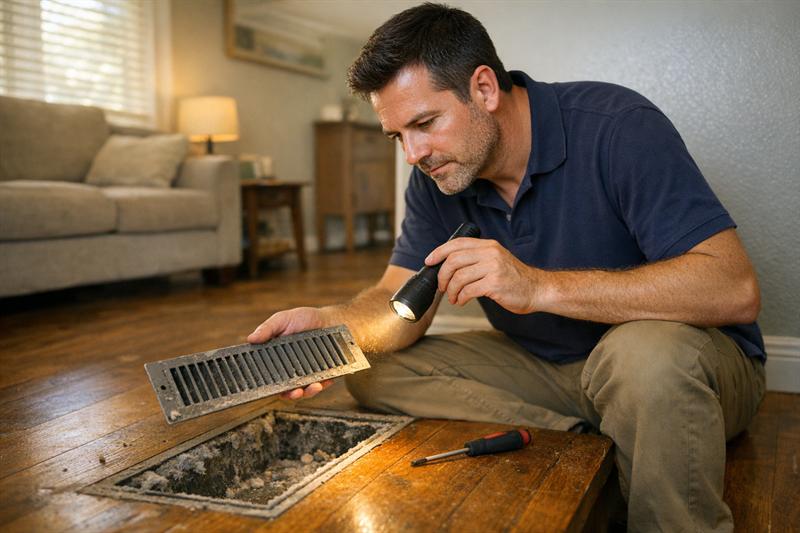
Odors coming from the vents can point to moisture buildup, overheating components, or dust collecting inside the system.
- Musty smells are often linked to moisture buildup
- Burning smells can come from electrical components or dust on heated parts
If odors continue, the source is often inside the HVAC system or ductwork rather than elsewhere in the home.
If indoor comfort or air freshness has changed, you can learn more about indoor air quality solutions.
High Energy Bills Without Explanation
If energy bills rise without a clear reason, the HVAC system may be losing efficiency.
This often happens gradually. The system runs longer to maintain the same level of comfort.
Common causes include dirty components, airflow restrictions, and age-related wear. If the underlying issue is not addressed, performance usually continues to decline.
How to Tell If It’s a Quick Fix or a Bigger Issue
Signs You Can Troubleshoot Safely
- Thermostat settings are incorrect
- Air filter is dirty or clogged
- Breaker has tripped
These are basic issues homeowners can usually check first. If correcting them restores normal operation, the problem may not have reached a deeper component issue.
Signs You Should Call a Professional
- Problems keep returning
- System makes unusual noises
- Cooling or heating performance continues to drop
- System turns on and off repeatedly
When these signs continue or appear together, the issue usually goes beyond a simple adjustment and needs professional inspection.
If your system is showing multiple warning signs, it may be dealing with more than a minor issue.
- The system runs longer but delivers less comfort
- Airflow is weak in several areas of the home
- Noises or cycling patterns are becoming more noticeable
- Energy costs continue to increase
At that stage, waiting often makes the repair more involved. A full system check is usually the best way to identify the cause and correct it.
What Causes These Problems Over Time
Lack of Maintenance
Many HVAC problems begin with buildup and restricted airflow. Dust, debris, and normal wear can all reduce performance over time.
When maintenance is delayed, small issues can affect multiple parts of the system before the drop in performance becomes obvious.
System Age and Wear
All HVAC systems wear down over time. Components become less efficient, and performance may become less consistent.
That can lead to more frequent problems and higher operating costs. At a certain point, replacement may make more sense than continued repair.
Climate and Usage Patterns
In Sacramento and surrounding areas, HVAC systems often run for long periods during hot weather. Extended use naturally increases wear on components.
When long run times are combined with limited maintenance or existing airflow issues, problems can develop faster.
When to Schedule HVAC Repair
If problems are consistent, getting worse, or affecting comfort, the system should be checked. Continued operation usually does not resolve the underlying issue.
Addressing problems early can help limit strain and keep repairs more manageable.
For heating-related concerns, service options are available here: heating repair.
Key Takeaways
- Most HVAC problems begin with small, noticeable changes
- Recognizing those changes early can help prevent larger repairs
- Some issues can be checked at home, but many require professional service
- Routine maintenance plays a major role in system performance
- Heavy usage and climate conditions can speed up wear
Conclusion
Most HVAC issues start quietly. Reduced airflow, longer run times, or subtle changes in performance are often early signs that something inside the system needs attention.
When those signs are ignored, the system can keep operating under strain. That often leads to higher energy use, reduced comfort, and a greater chance of breakdown.
Newman’s Heating and Cooling helps homeowners throughout Sacramento, Natomas, and Roseville identify these patterns early and address the underlying issue before it turns into a larger repair.
If your system is showing any of these warning signs, scheduling a professional inspection is a smart next step. Taking care of the problem early can help avoid more extensive repairs later.
Frequently Asked Questions
What is the most common HVAC problem?
One of the most common issues is an AC system that runs but does not cool effectively. This is often related to airflow restriction, dirty components, or other efficiency problems. If cooling performance keeps dropping, professional service is usually the next step.
Why is my HVAC system running but not cooling?
This usually means the system is not removing heat effectively. Airflow restrictions, dirty coils, or refrigerant-related issues are common causes. If basic checks do not help, it is time to have the system inspected.
How do I know if my HVAC problem is serious?
If the problem continues, gets worse, or involves noises, leaks, or short cycling, it may be more than a minor issue. Those signs often point to internal wear or malfunction. An inspection can help determine what needs to be done.
Can I fix HVAC problems myself?
Simple issues like checking thermostat settings, replacing a dirty filter, or resetting a tripped breaker can often be handled safely. More complex or internal problems should be left to a qualified HVAC professional.
What causes HVAC systems to stop working suddenly?
Sudden shutdowns can be caused by thermostat problems, electrical issues, a tripped breaker, or component failure. If the system does not restart after basic checks, it should be inspected.
How often should HVAC systems be maintained?
Most systems benefit from maintenance once or twice a year. Regular service helps support efficient operation and can reduce the chance of common problems.